



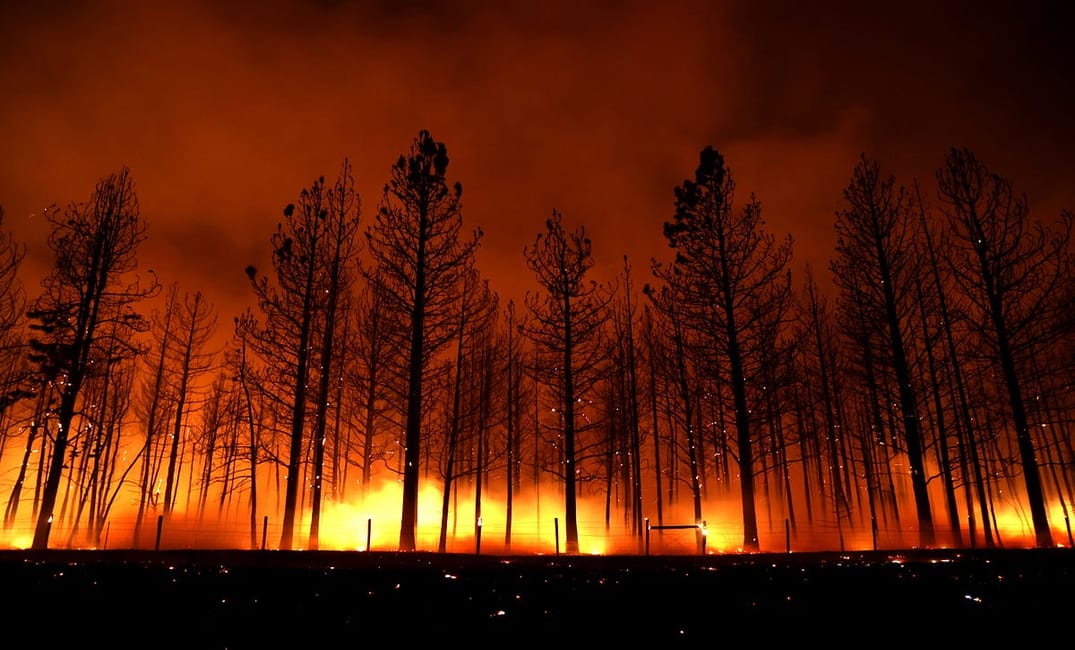
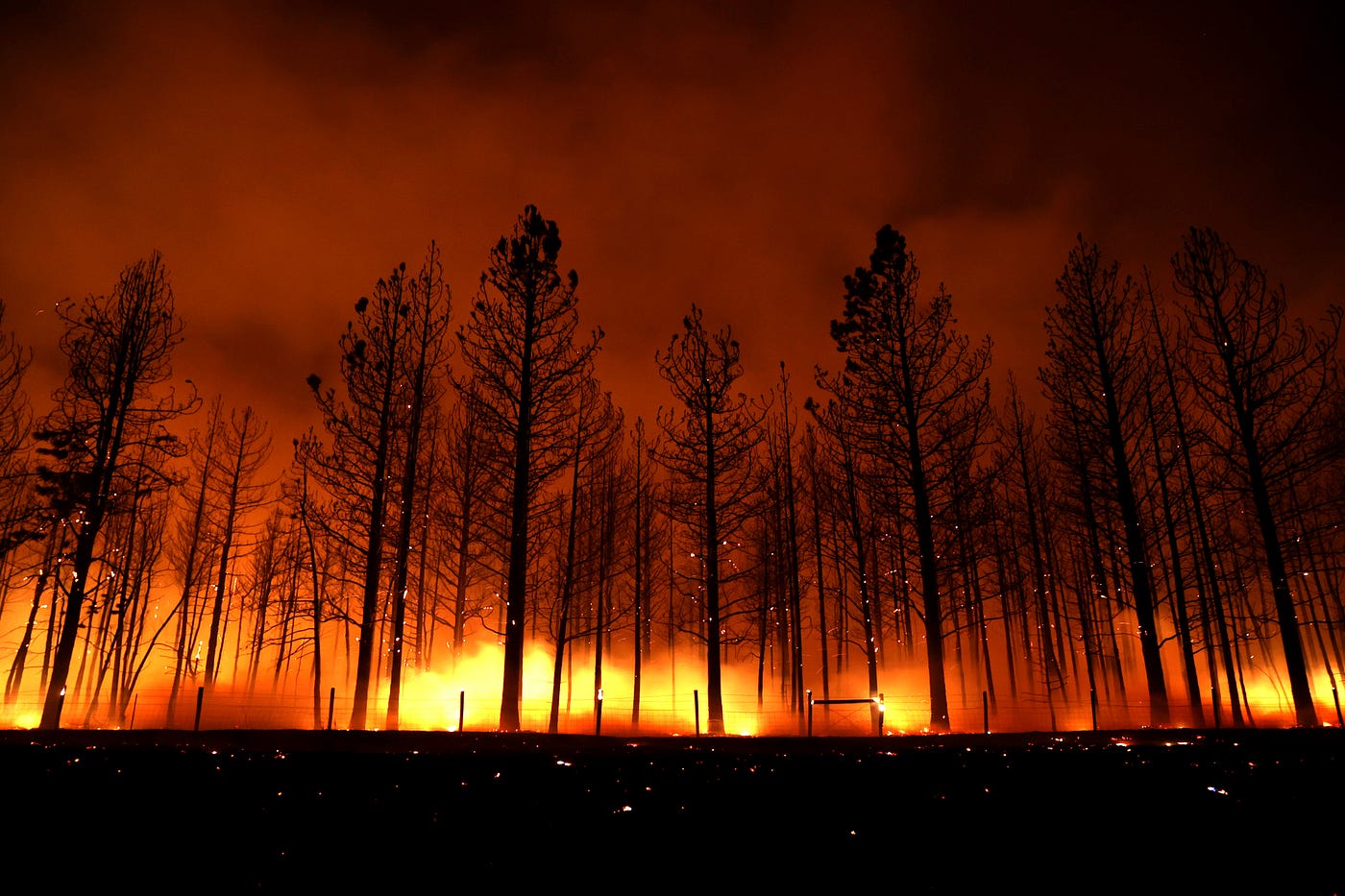
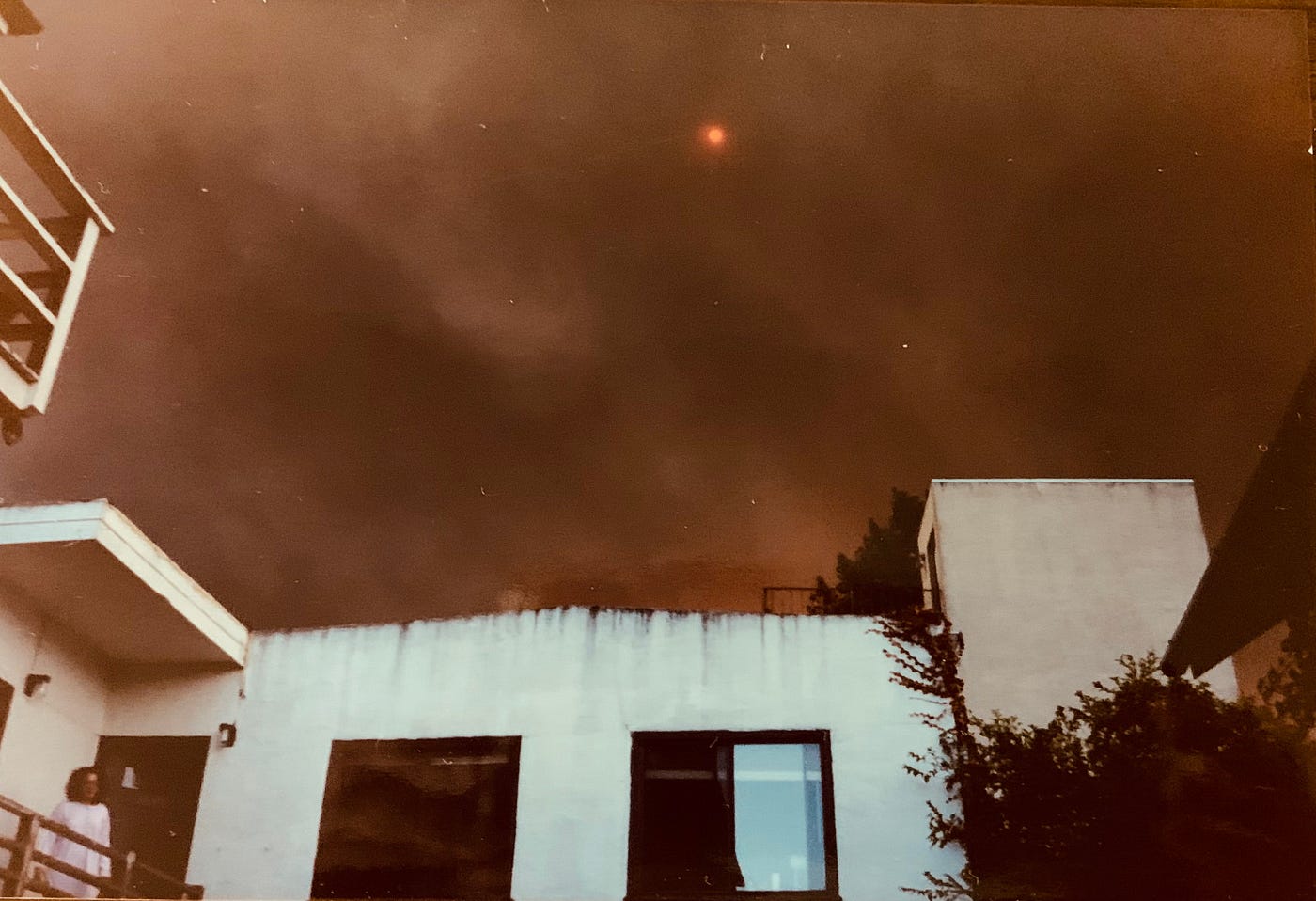
Someone shouted to come outside. We ran down the stairs of our apartment building and onto the driveway — three 19-year-old women in our sock feet, staring up at the sky. The morning sun shone hot pink through a ceiling of dark smoke. This was what I later came to recognize as “wildfire sky.”
But in October of 1991, as a sophomore at UC Berkeley, I’d never seen anything like it.
My roommates and I rushed back inside to get our cameras (cell phones didn’t exist yet), unaware of the tragedy that was unfolding in the hills above us. Soon, friends who were forced to evacuate began arriving to stay with us in the Berkeley flatlands. We all went out to eat, squeezing into a booth at a midcentury IHOP. We felt safe there together.
I think it was a guy we knew from the dorms who first mentioned it. Our friend, Segall, was missing.
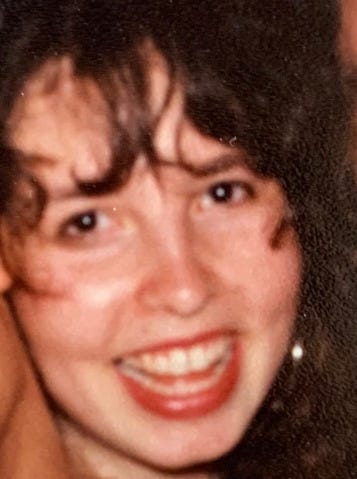
A few days passed. We couldn’t reach her. Then, walking to class in a remote corner of campus, I spotted Segall’s face on the front page of the Daily Cal: long, brown hair; smooth skin; a smile like the world was full of only good things. It was a huge photo, and — I knew before I read the headline — a memorial photo.
The fire had swept through the densely populated Oakland and Berkeley hills, destroying almost 3,000 structures and killing 25 people, many of whom were trapped in their cars as they tried to evacuate on winding residential streets. Segall was the only student who died.
In our living room, where just a week ago we’d gathered to watch the Anita Hill hearings, my roommates and I sat silently as a newscaster played the 911 tapes of Segall calling for help from the basement of her family’s home. She had been studying there, alone, as the fire surrounded the house and the rooms above her filled with smoke. She didn’t escape in time.
I fixated on the captions spelling out Segall’s words to the 911 operator and remembered how we used to put on lip gloss and our cutest flannel shirts to go to parties together. How we’d sit side by side on the bottom bunk in my dorm room, sharing our grand dreams for the future. How we walked through the mild Berkeley night to see “Henry and June,” feeling cosmopolitan in our first year away from home.
After Segall’s memorial service at a temple in San Francisco, I found myself in a crowded elevator with her parents. Her mother, pressed close, said, “Segall told me how much she enjoyed having dinner at your house recently.” I suddenly couldn’t remember the dinner and fumbled through a response to the mother of an 18-year-old woman whose casket — borne aloft down the aisle by all the men in her family — held only teeth.
Segall’s brother said at her funeral that she had written over and over in her diary, “I love life.”
For a while, people would say to me, “I’m sorry for your loss.” But all I could ever think about was her family’s loss and, more than anything, Segall’s loss — of all those years stretching out before her like a ghost life that she never got to live.
In the 30 years since Segall’s death, California’s megafires have become more and more common. They are bigger and more destructive every year. Six of the seven largest wildfires in the history of the state have erupted in the past year alone. Even the nomenclature has changed: from “fire” to “megafire” (over 100,000 acres burned) to “complex” (multiple fires burning in the same general area that often combine into one immense blaze). In 2020, California experienced its first “gigafire” (over a million acres burned).
The fires are a public health crisis. In the years since the Tunnel Fire that killed Segall, California wildfires have taken hundreds more lives, including over 200 deaths in the last nine years.
Air quality plummets in some regions of California for weeks at a time, and the smoke from California fires creates nationwide air pollution, leading to increased risk of heart attack, stroke, and respiratory illnesses (particularly concerning during the Covid-19 pandemic). Wildfire smoke likely killed more than 1,200 people in 2020.
As a lifelong Californian who was still a teenager when I lost my friend to fire, every report of a new wildfire makes my heart skip a beat. But the fires hit closer to home again in August 2020, when over 11,000 lightning strikes hit Northern California in a 36-hour period, igniting hundreds of wildfires.
The next day, my brother texted to tell me that he and his family had evacuated their home in the mountains above Santa Cruz. They fled the rapidly encroaching flames of the CZU Lightning Complex in the middle of the night, with only a few belongings thrown into a bag.
They remained under mandatory evacuation for the next two weeks, while juggling the pandemic, remote learning, and full-time jobs. We spoke often. My brother told me that they took the cats, but had to leave the chickens. He said that my niece, a go-with-the-flow kid, had a meltdown one night when she realized she’d left her hairbrush back at the house.
I refreshed the online fire map constantly, watching as, every day, the red line moved closer to their home. On one call, my brother told me he’d given up hope because it was easier that way.
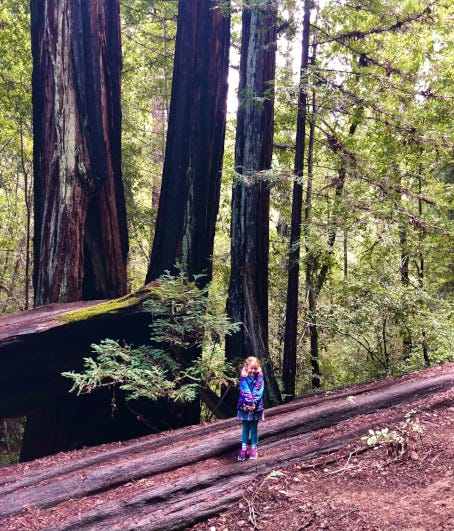
The fire finally stopped its advance a quarter-mile short of my brother’s home. But some of his friends weren’t so lucky. Up the road from his house, Big Basin Redwoods State Park, where my niece and I had raced each other through the ancient coast redwoods, wasn’t so lucky. All told, the 2020 fires burned more than four million acres and killed 33 people. The CZU Lightning Complex by itself was more than 50 times larger than the 1991 Oakland Firestorm.
My life has been marked and defined by wildfires — and, increasingly, so have the lives of almost every Californian, and everyone in the Western United States. So I take it personally when people try to deny or downplay the link between wildfires and climate change.
The data is clear that California wildfires are caused in large part by climate change. In fact, in my lifetime alone, California’s annual burned area has increased more than fivefold as a result of climate change, driven mainly by a more than eightfold increase in the size of summertime forest fires.
During that time, summers in Northern California have warmed by about 2.5 degrees Fahrenheit (1.4 degrees Celsius). The increased temperatures, combined with severe drought that is itself largely the result of human-caused warming, suck the moisture out of California’s trees and vegetation, creating thousands of acres of tinder ready to ignite into a massive blaze at the smallest spark.
Yes, California has always had wildfires. Yes, we’ve had droughts on and off for at least as long as these things have been recorded. And yes, forest management (such as the suppression of indigenous controlled burning) is a factor in the increased size of California’s wildfires. But there is no longer any doubt that climate change has made our temperatures hotter, our droughts more severe, and our wildfires exponentially larger and more destructive. There is no longer any excuse for not addressing the problem of wildfires at its root, by tackling the climate crisis head-on.
I would never wish the death of a loved one or the traumas of wildfire on anyone, but sometimes I wish that politicians and CEOs who refuse to take any real action on climate change had lived my life. I wish they had felt the temperatures climb and the number of heatwaves increase over the decades; had seen the hills turn brown earlier and earlier in the year; had hiked through the large swaths of dead trees, from Yosemite to Lake Arrowhead, blackened by fire or eaten by bark beetles that thrive on hot, dry conditions; had driven up and down the state during wildfire season through smoke so dense that California’s stunning vistas were rendered invisible, and it felt like navigating the surface of Mars.
I wish that giant corporate polluters who promise reduced emissions by some date impossibly far into the future could feel the urgency my family and I felt when fire came dangerously close to my brother’s home.
I wish that the human beings behind oil and gas companies could feel the brokenness I felt as a teenager when Segall died. I wish they could see that wildfires fueled by climate change aren’t just a risk-benefit analysis on a spreadsheet, but a drastic — often violent — change to our entire way of life.
Recently, I drove through the East Bay during the Dixie and Caldor fires, and I could barely see the outline of the iconic San Francisco skyline through the smoke. As I passed the exit for UC Berkeley, I remembered the day in 1991 when we held a memorial service for Segall on campus, under the Campanile. A flower seller who Segall and I used to chat with on our way to class donated bunches of purple violets for the ceremony. We played Peter Gabriel’s “In Your Eyes,” Segall’s favorite song. All of her college friends were there.
Sign up for The Bold Italic newsletter to get the best of the Bay Area in your inbox every week.
My eyes filled with tears. It’s been 30 years since that day, and California is still on fire. We must fight climate change on every front — for our future, and for the loved ones, like Segall, who will never get to see theirs.
The Bold Italic is a not-for-profit media organization, and we publish first-person perspectives about San Francisco and the Bay Area. We operate under a fiscal sponsorship of a 501(c)(3).
You can become a paid subscriber. Or donate. Or learn more about us.