

I’m Jewish. Given that I live in San Francisco and the ongoing war in the Middle East, this isn’t something I proclaim loudly nowadays. That I’m named Saul I always considered a dead giveaway. In Hebrew it means "asked for" or "prayed for," and indeed I am the boy child who my parents very much wanted. I’ve learned over the past decade that it’s also a popular choice in Spanish as Saúl. I have olive skin, dark hair, and dark eyes from my mother’s Greek heritage, so—given this with my name and that I’m from California—people often assume I’m Hispanic.
This week is Passover, a holiday I’ve almost never observed except with my family and in my own home in San Francisco. (And I have stories about that.)
Passover runs eight days this year, from the evening of April 1 through April 9. You eat matzah. You drink four cups of wine. You tell the same story you told last year, the one about leaving in a hurry, about not having time for bread to rise, about freedom being something you walk toward before you fully understand it.
San Francisco is quite often a city of people who left somewhere else and are still figuring out what they brought with them. That's basically the plot of the Exodus. So maybe it makes sense that Passover here doesn't look like Passover anywhere else. The seders happening across the Bay this week are serving cardamom matzoh and ube macaroons. They're asking questions about climate justice. They have dress codes.
I’m not attending one, but I spent the week paying attention, and what I found is that Passover in the Bay Area looks exactly like it should.
Ube Macaroons and Cardamom Matzoh
"Belonging in Bloom" / LUNAR Collective / Oakland / Saturday, April 4 / 11 a.m.–2 p.m. / Free–$36
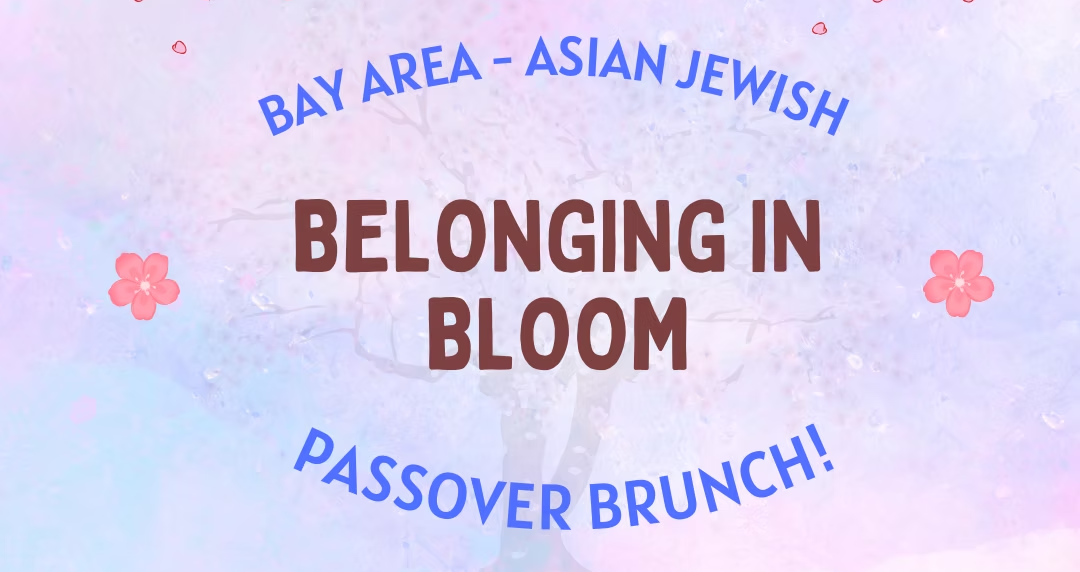
Today, the LUNAR Collective is hosting an Asian-Jewish Passover brunch in Oakland, drawing from spring festivals across Asia to reimagine what a seder table can look like. The menu tells the story: fusion shakshouka, sesame feta roasted potatoes, ube coconut macaroons, homemade cardamom matzoh. This is not your bubbe's Passover. This is what happens when diaspora meets diaspora and decides to cook. LUNAR created their own Haggadah for the occasion, "Dancing In Between," reflecting on what they call "the sacred space between cultures and journeys toward freedom." If that sounds heady, consider that they're saying it over ube macaroons.
Liberation Chic
"Coming Home: A Sensual Seder for Love and Liberation" / Or Shalom / San Francisco / Sunday, April 5 / Adults only
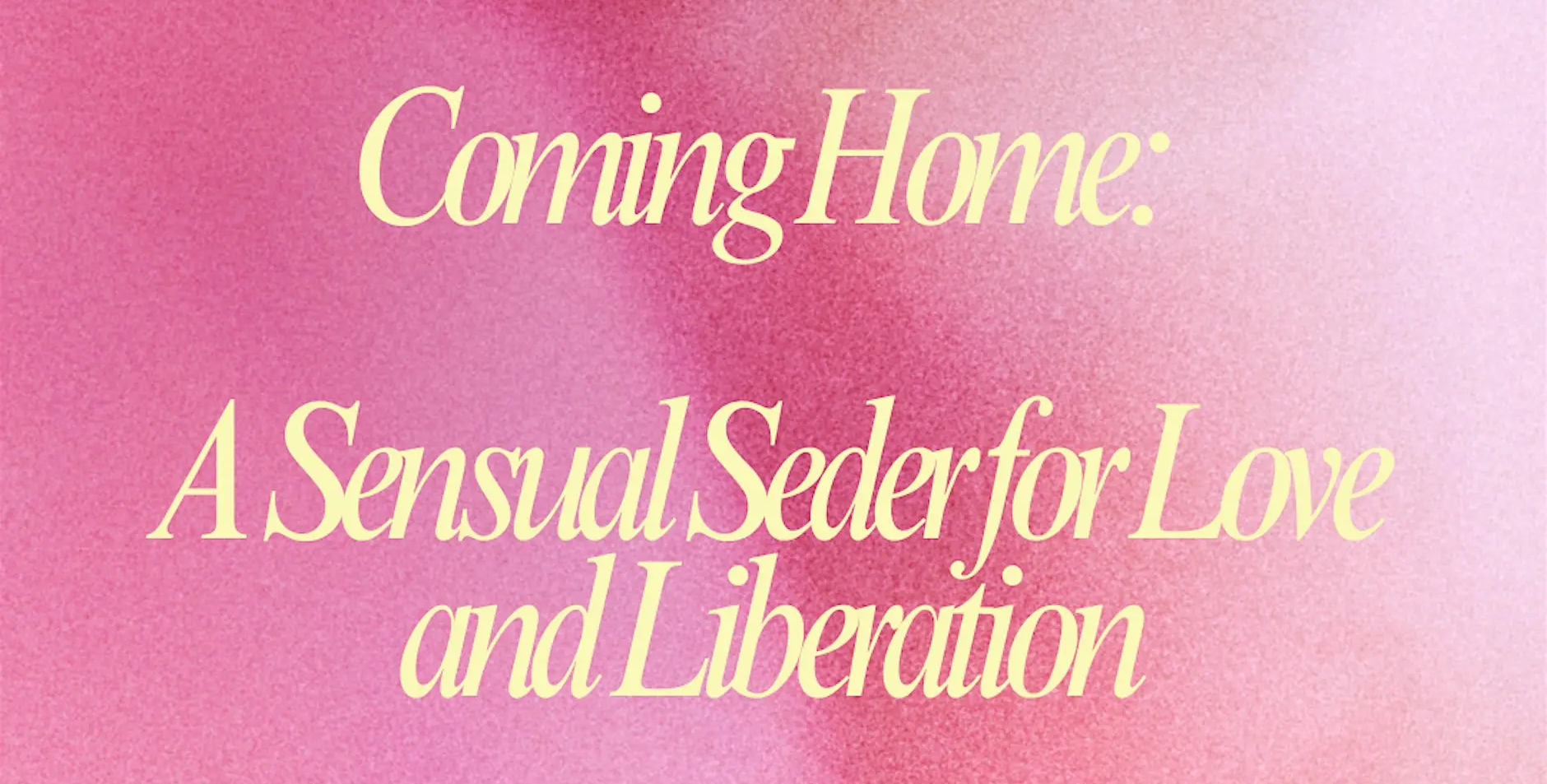
"Coming Home" is now in its second year, organized by Stern at Or Shalom, the city's Reconstructionist Jewish community. It's adults-only, vegan and vegetarian, with a dress code: "liberation chic." It's not a sex party. It is a seder that asks participants to feel the Passover story in their bodies rather than retelling it at arm's length. It is also explicitly framed as non-Zionist and pro-Palestinian.
The Swig Seder
USF Swig Program in Jewish Studies and Social Justice / 2130 Fulton St. / Tuesday, April 7 / 6:30–8 p.m. / Free
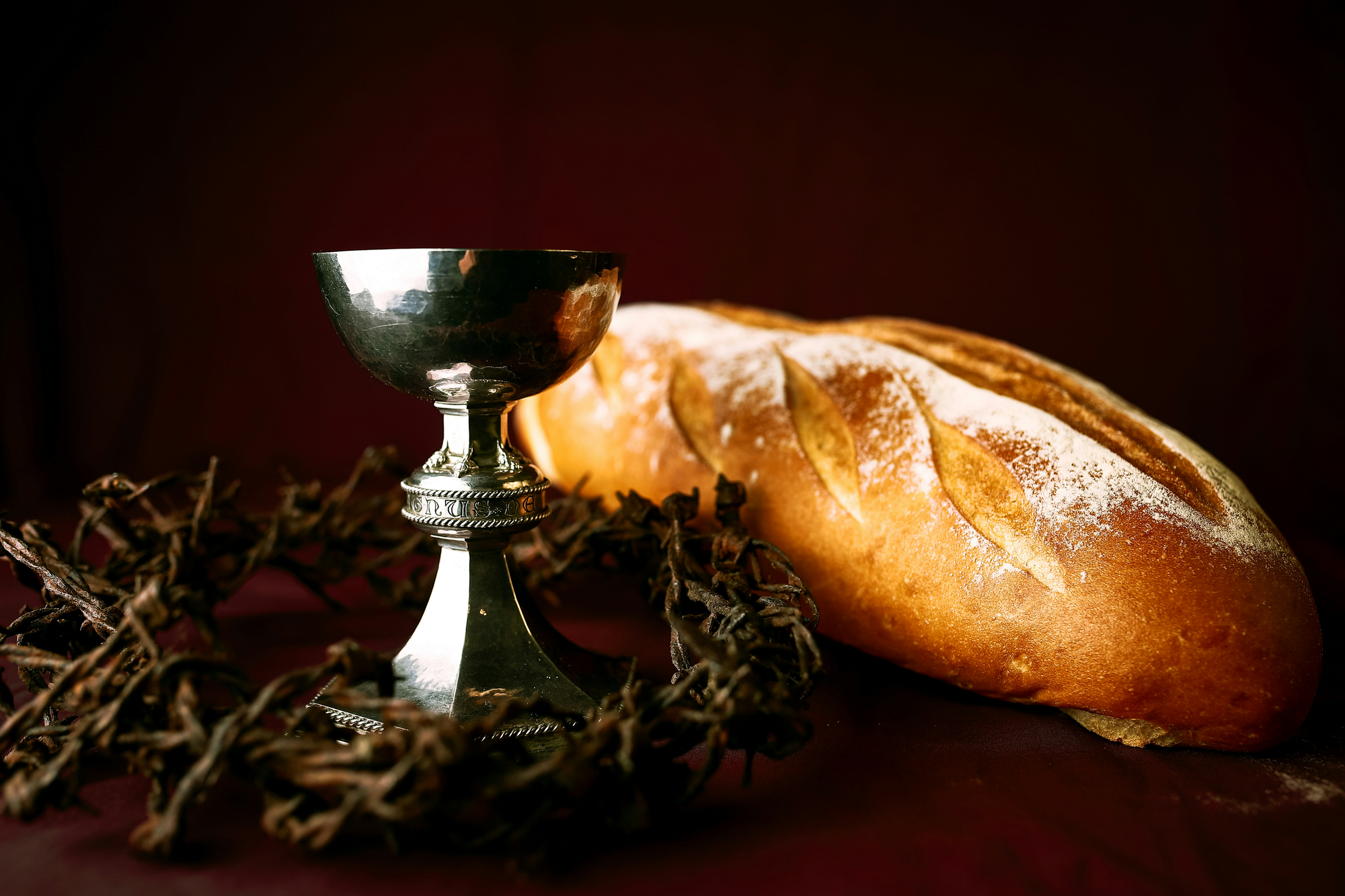
On April 7, USF's Swig Program is hosting a seder tying Passover's liberation themes to climate change and environmental justice, in partnership with Dayenu, a Jewish nonprofit confronting the climate crisis. I know Adam Swig, and this programming is characteristic of the family's legacy in San Francisco. There's something clarifying about a seder that points the liberation narrative toward the earth itself. Passover asks: What are you enslaved to? What do you need to leave behind? Dayenu, the organization and the prayer, means "it would have been enough." Applied to climate: What would have been enough, and why didn't we stop there?
A Taste of Morocco
Mimouna: A Moroccan Jewish Celebration / JCCSF, 3200 California St. / Saturday, April 11 / 7–10 p.m. / $36
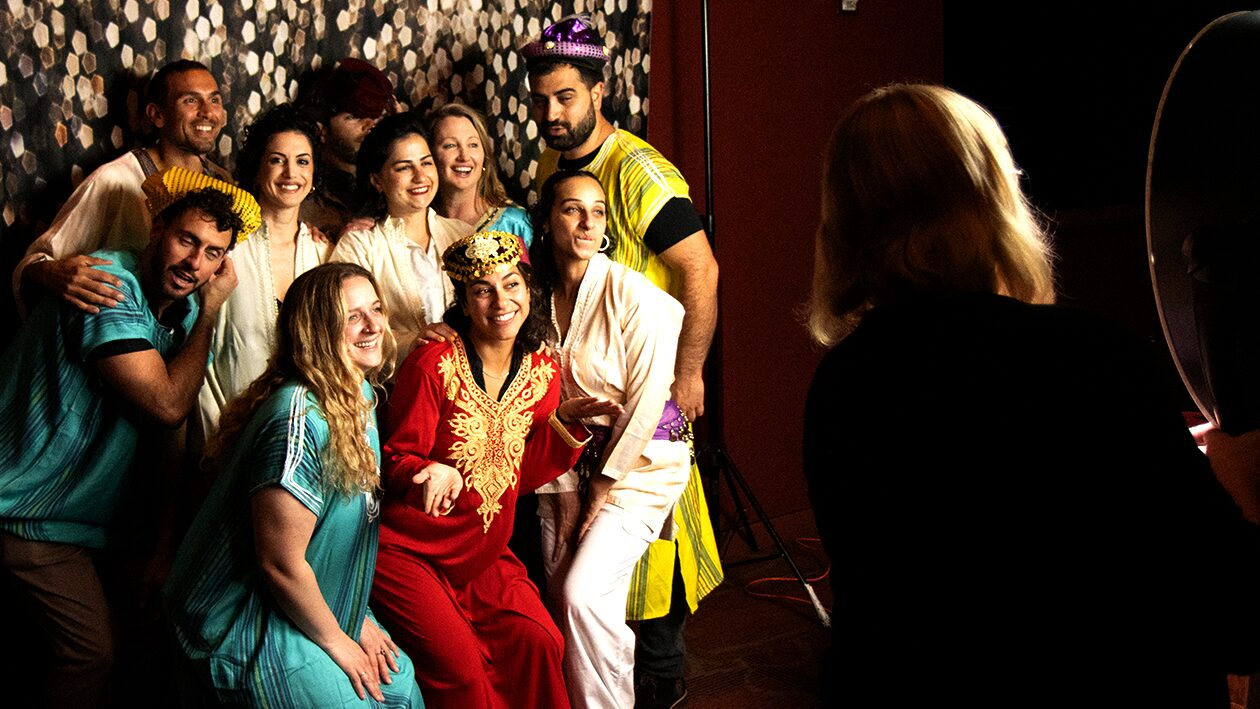
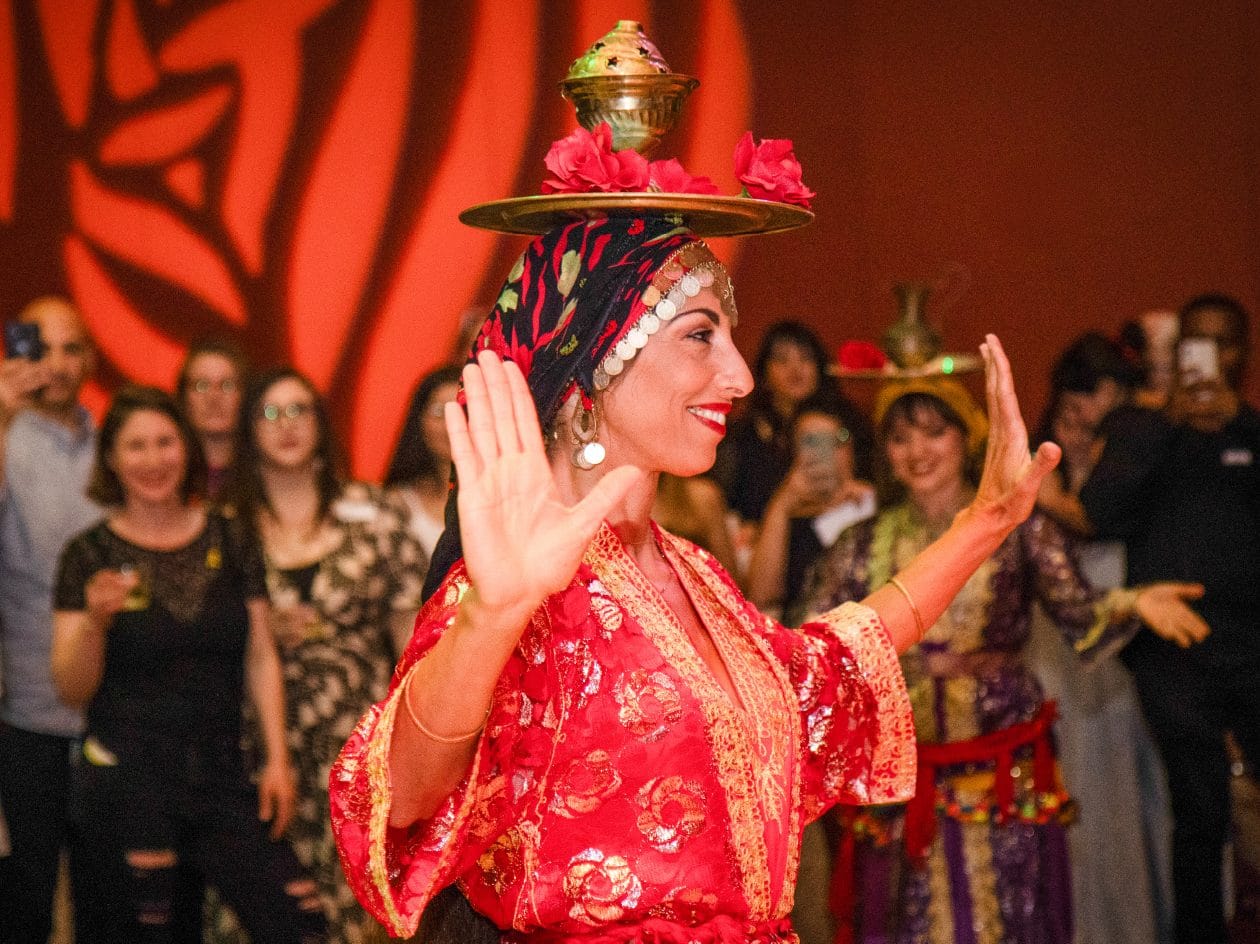
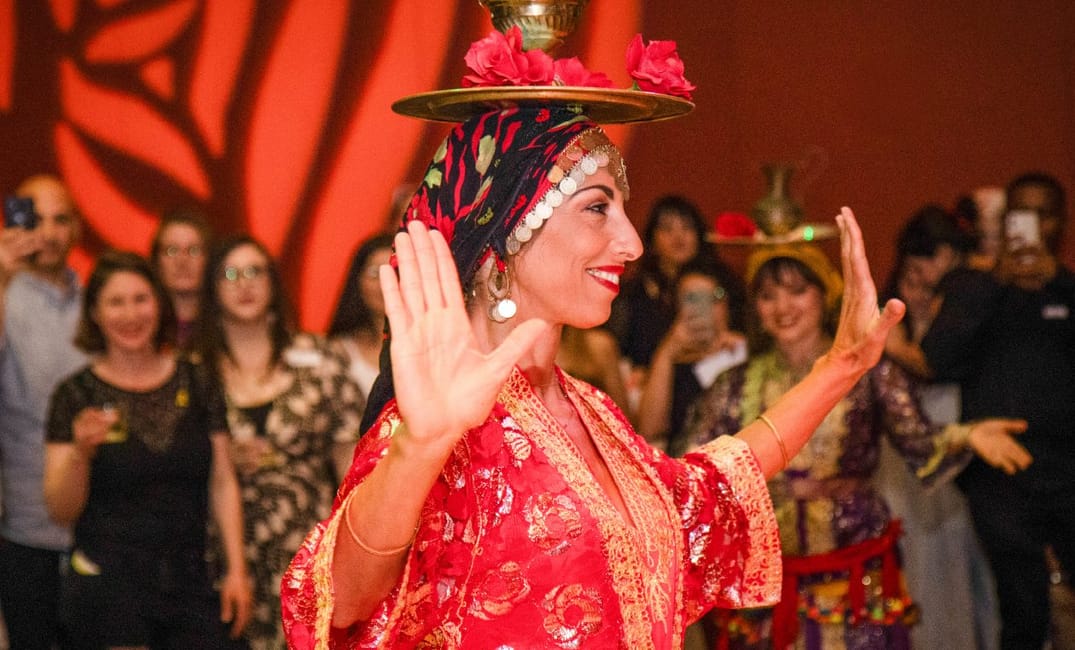
Passover ends April 9. Two days later, the JCCSF and JIMENA are throwing a Mimouna celebration, a Moroccan Jewish tradition marking the end of the holiday with sweets, music, dancing, and the return to leavened bread. Live DJ, belly dance performance, henna artist, arak. Mimouna is historically a night when Moroccan Jewish families opened their doors to neighbors of all faiths. The tradition is rooted in coexistence, which feels almost unbearably relevant.
Saul Sugarman is editor-in-chief and owner of The Bold Italic.
The Bold Italic is a not-for-profit media organization, and we publish first-person perspectives about San Francisco and the Bay Area. We operate under a fiscal sponsorship of a 501(c)(3).
You can become a paid subscriber. Or donate. Or learn more about us.