

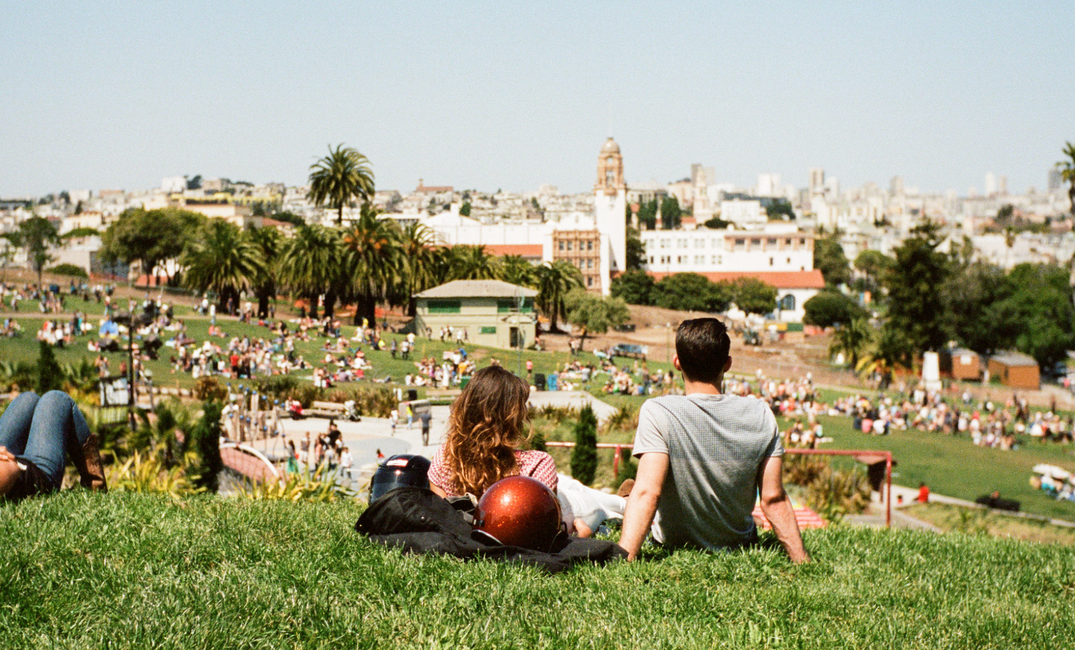
Remember just a few weeks ago when we were freezing our tits off in San Francisco? The city nearly broke an 1897 record low in late February, dropping to 40 degrees downtown, just two degrees from a mark that has stood for 129 years. Now there's a heat advisory. SF went from flirting with the coldest temperature in recorded history to 77 degrees and climbing in the span of three weeks. Because of course.
 Saul Sugarman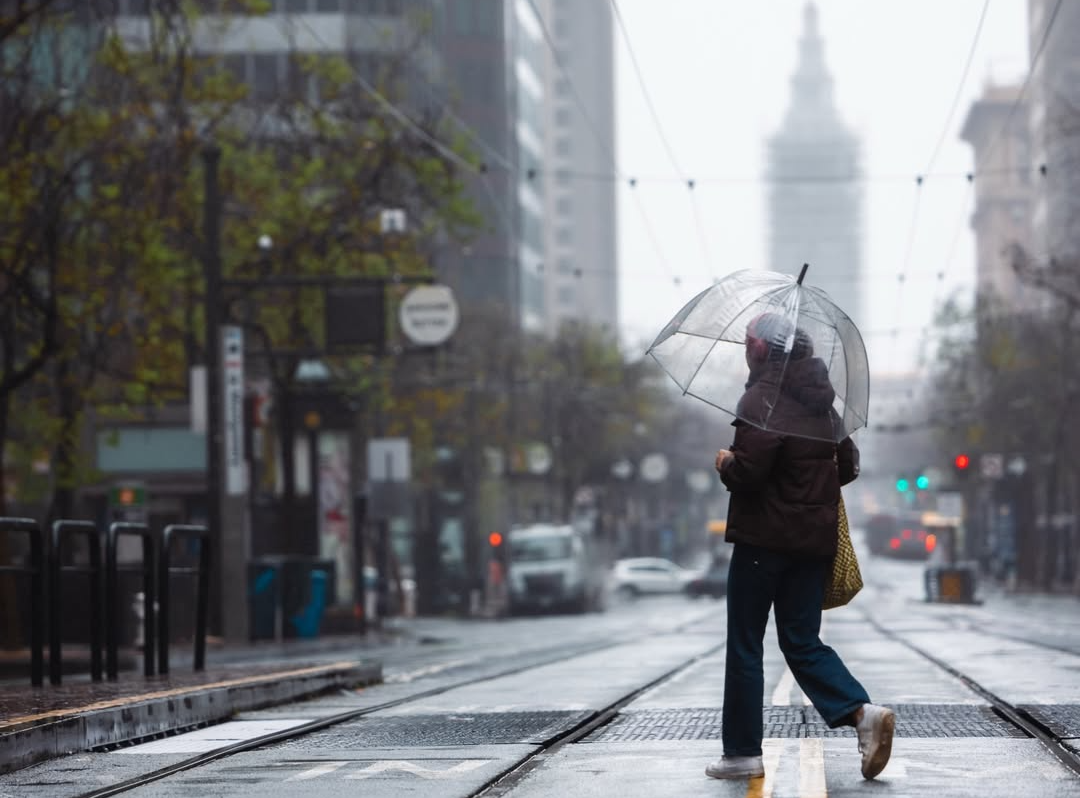
I should disclose upfront that I am writing this from a position of obscene climate privilege. I live in Forest Knolls, where the microclimate stays tolerable even when the Mission is melting, and my house is buried under enough tree canopy that direct sunlight is more rumor than reality. We do own an air conditioner, but that's only because my boyfriend moved from a much hotter part of the city, or as I liked to call it: the corner of Murder and Liquor Store Robbery.
And if you're among the roughly half of SF metro area households that still don't have AC, you may be wondering how 870,000 people survive a heat wave in a city that was not designed for heat.
The short answer: mostly by complaining.
The longer answer is below.
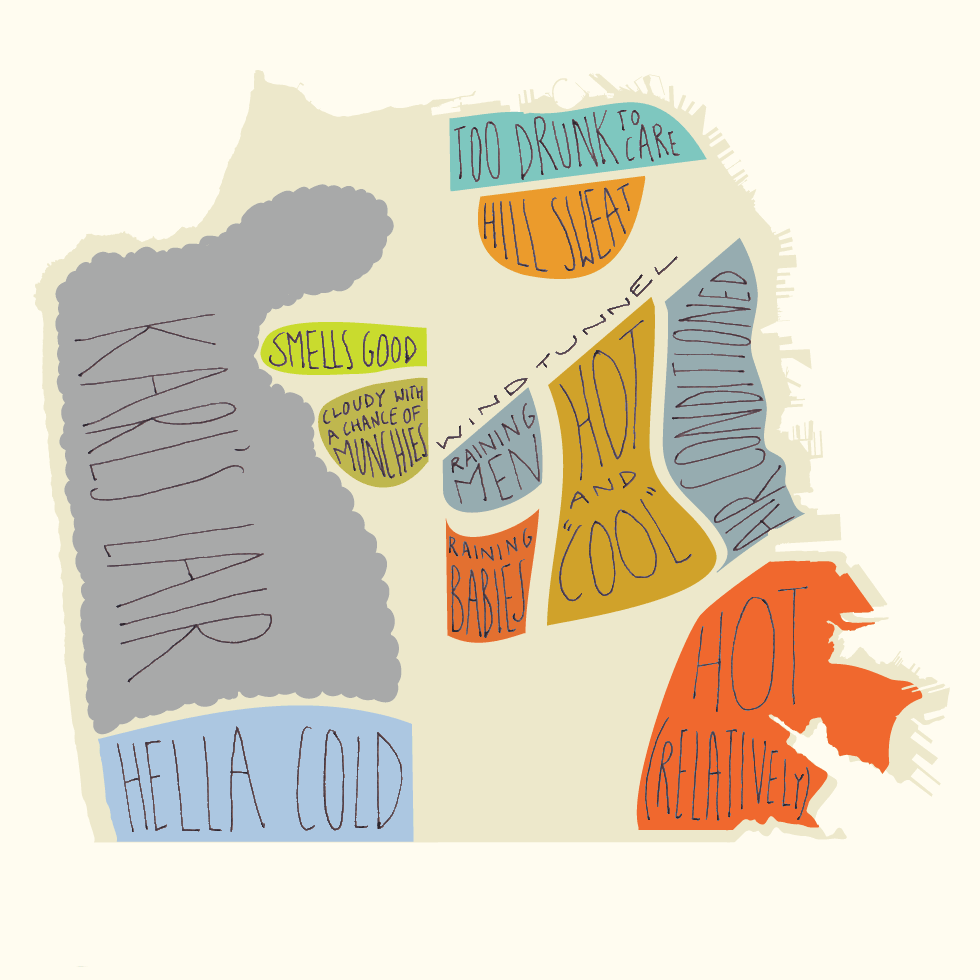
First, understand that San Francisco is not one climate. It's like twelve.
This is the most important thing to internalize if you're new here. The city's hills, its position between the Pacific Ocean and the Bay, and the movement of fog through gaps in the terrain create temperature swings of up to 25 degrees between neighborhoods at the same hour on the same day. During a statewide heat wave, the western edge of the city might top out at 70 while Noe Valley hits 95. That's not a typo.
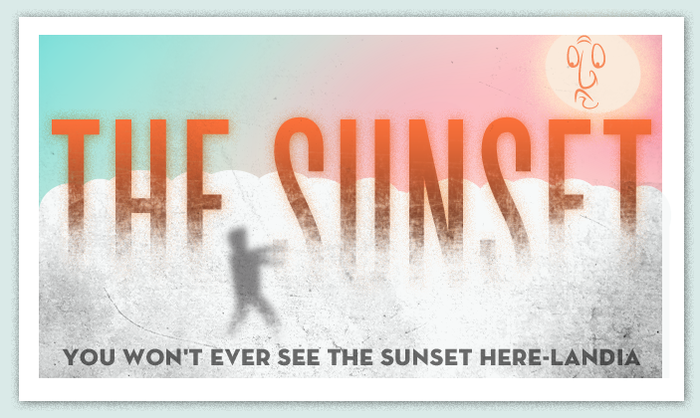
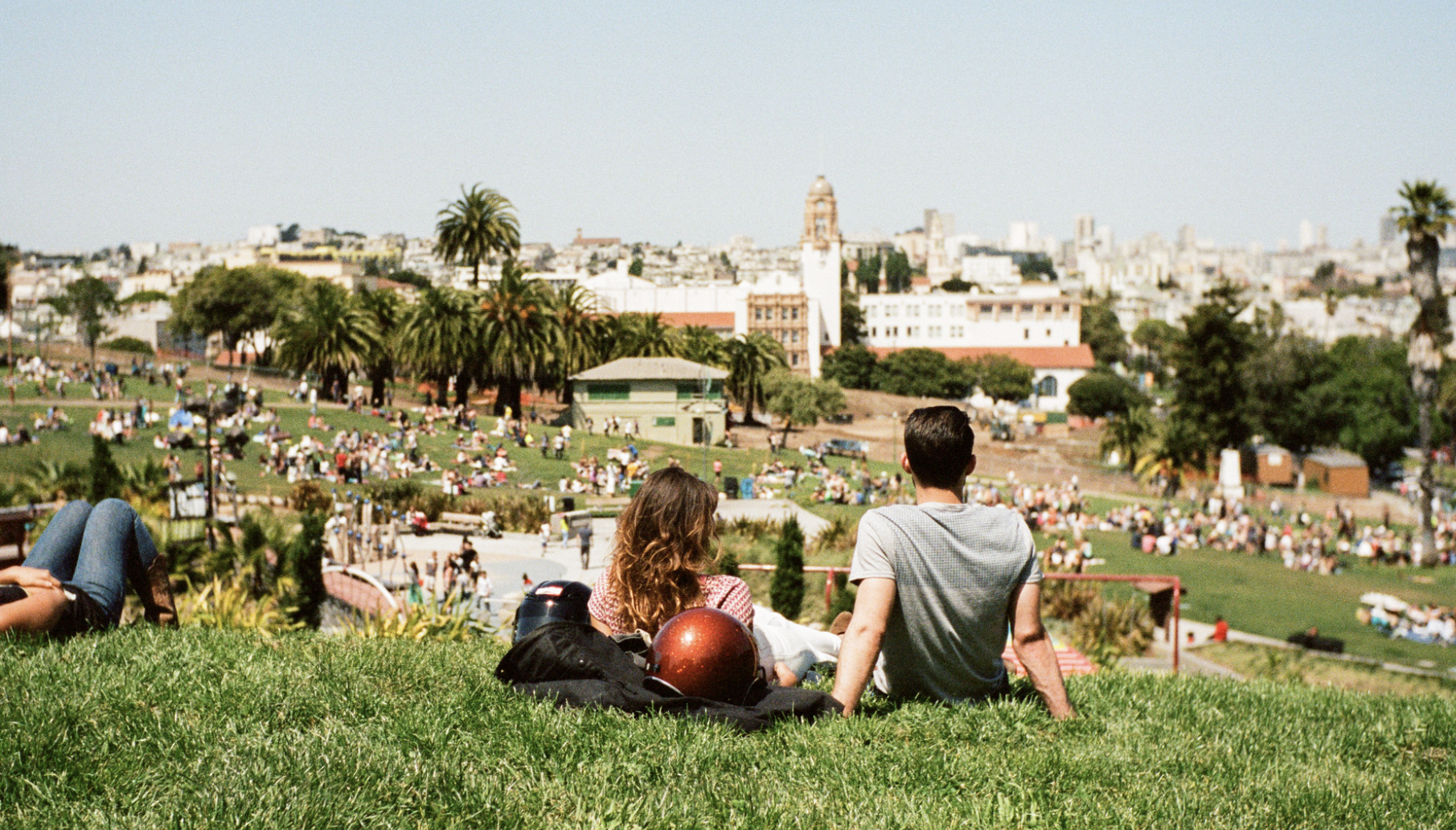
The Mission District is the city's hottest neighborhood. The Sunset and Richmond are the coldest and foggiest. Twin Peaks, where I live on the western slope, acts as a massive fog dam: everything to its east stays warmer, everything to its west gets socked in. Knowing your neighborhood's microclimate isn't trivia. It's survival strategy.
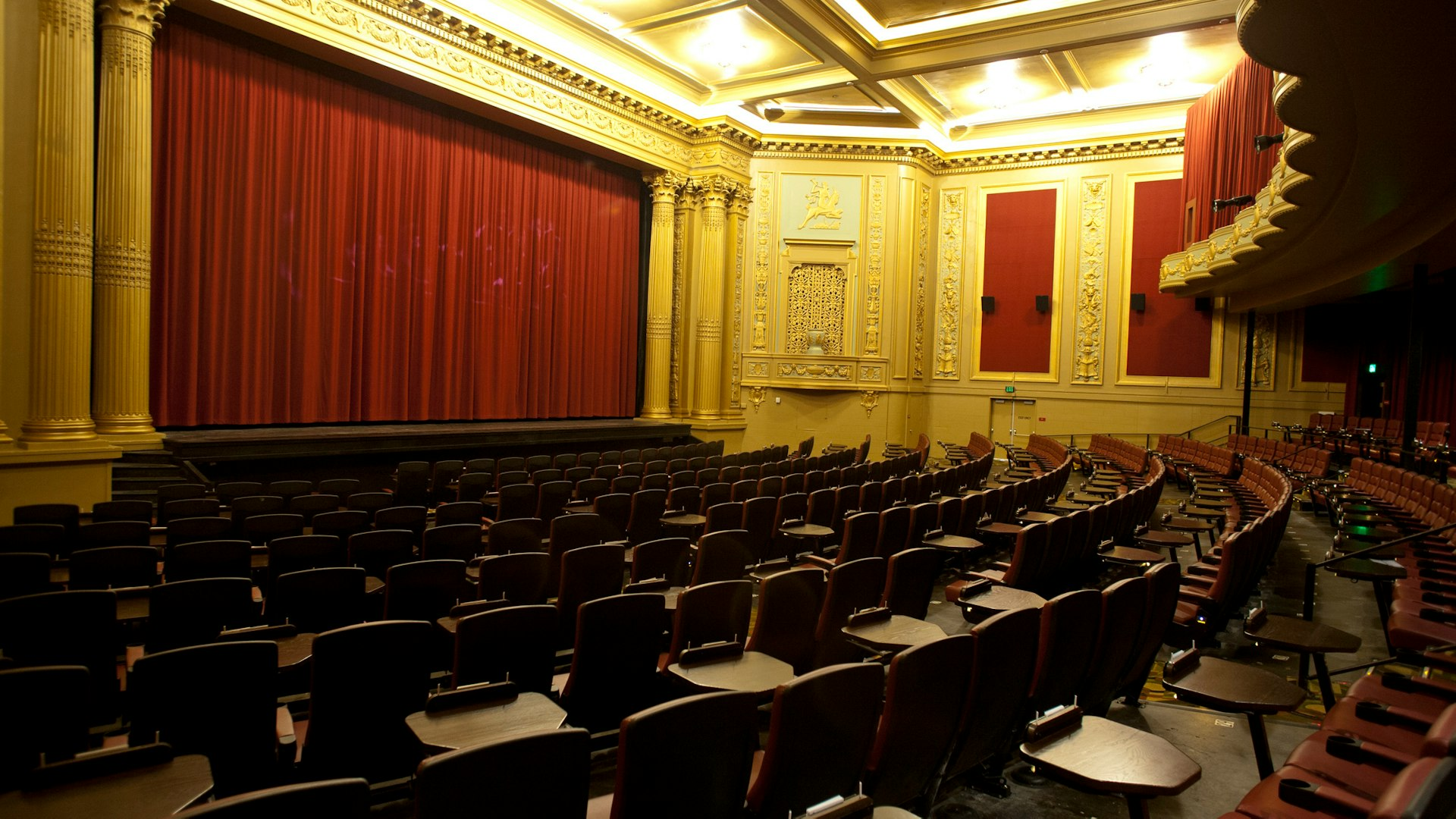
Go to a movie theater
This is the real answer and everyone who has lived here longer than two summers knows it. Movie theaters are the one public space in San Francisco where air conditioning is both guaranteed and aggressive. The AMC Metreon in SoMa has the energy profile of a meat locker. The Alamo Drafthouse on Mission Street will make you cold enough to regret not bringing a jacket, which is the most San Francisco heat wave problem imaginable. See whatever's playing. The point isn't the movie. The point is the thermostat.
Go to a museum
The big ones are all climate-controlled. SFMOMA, the de Young, the Legion of Honor, the California Academy of Sciences. The Cal Academy even has a living rainforest exhibit that is technically hotter than outside, but the rest of the building is frigid and the penguins seem relaxed, which is reassuring. The de Young is free with a San Francisco library card on certain Saturdays, which means you can cool down and be culturally enriched and spend zero dollars, a combination this city rarely offers.
 Saul Sugarman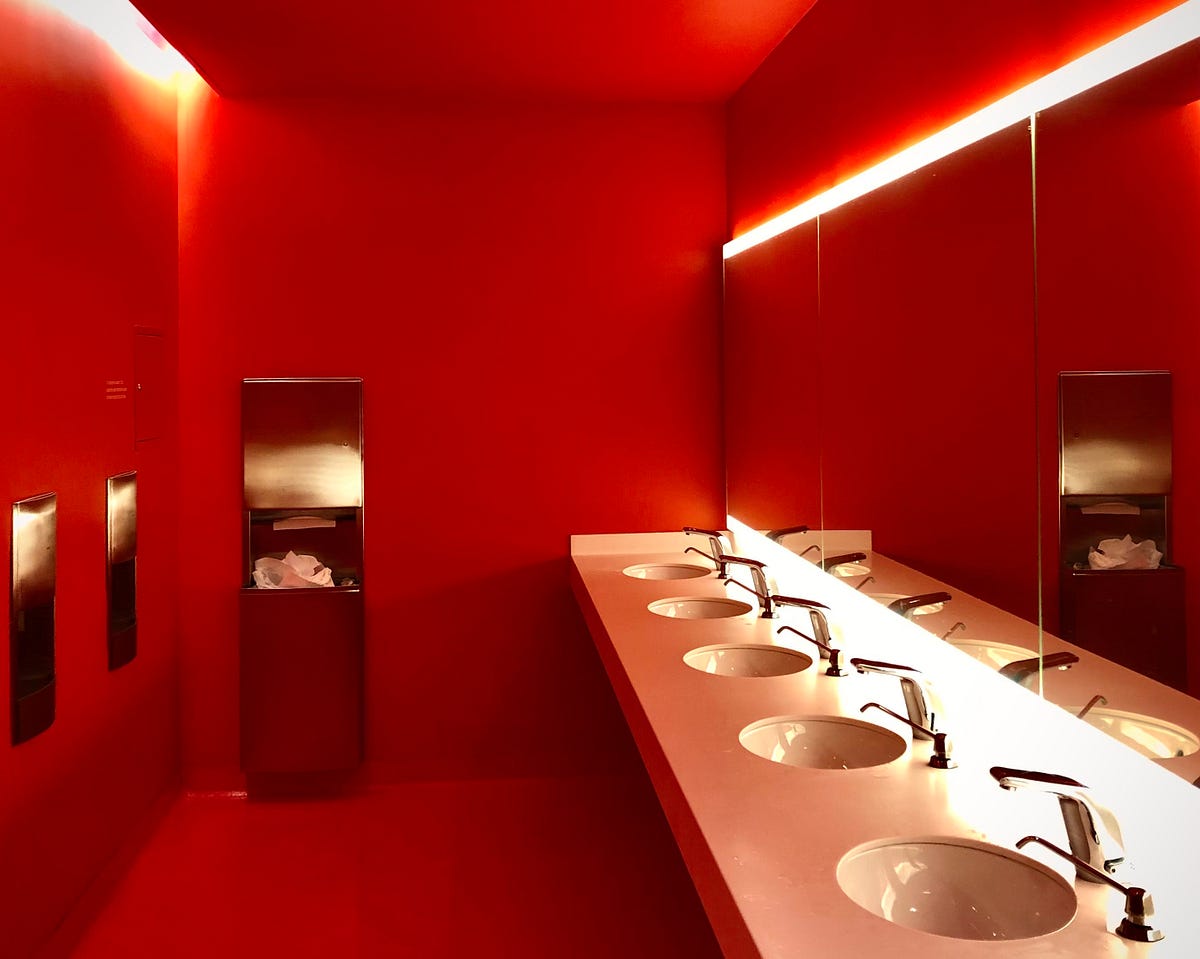
SFMOMA is also a fantastic place to take a crap.
Head west
If you live in the Mission or SoMa and you're dying, the N-Judah or the L-Taraval will take you to the Sunset in 20 minutes and drop you into weather that is 15 to 20 degrees cooler.
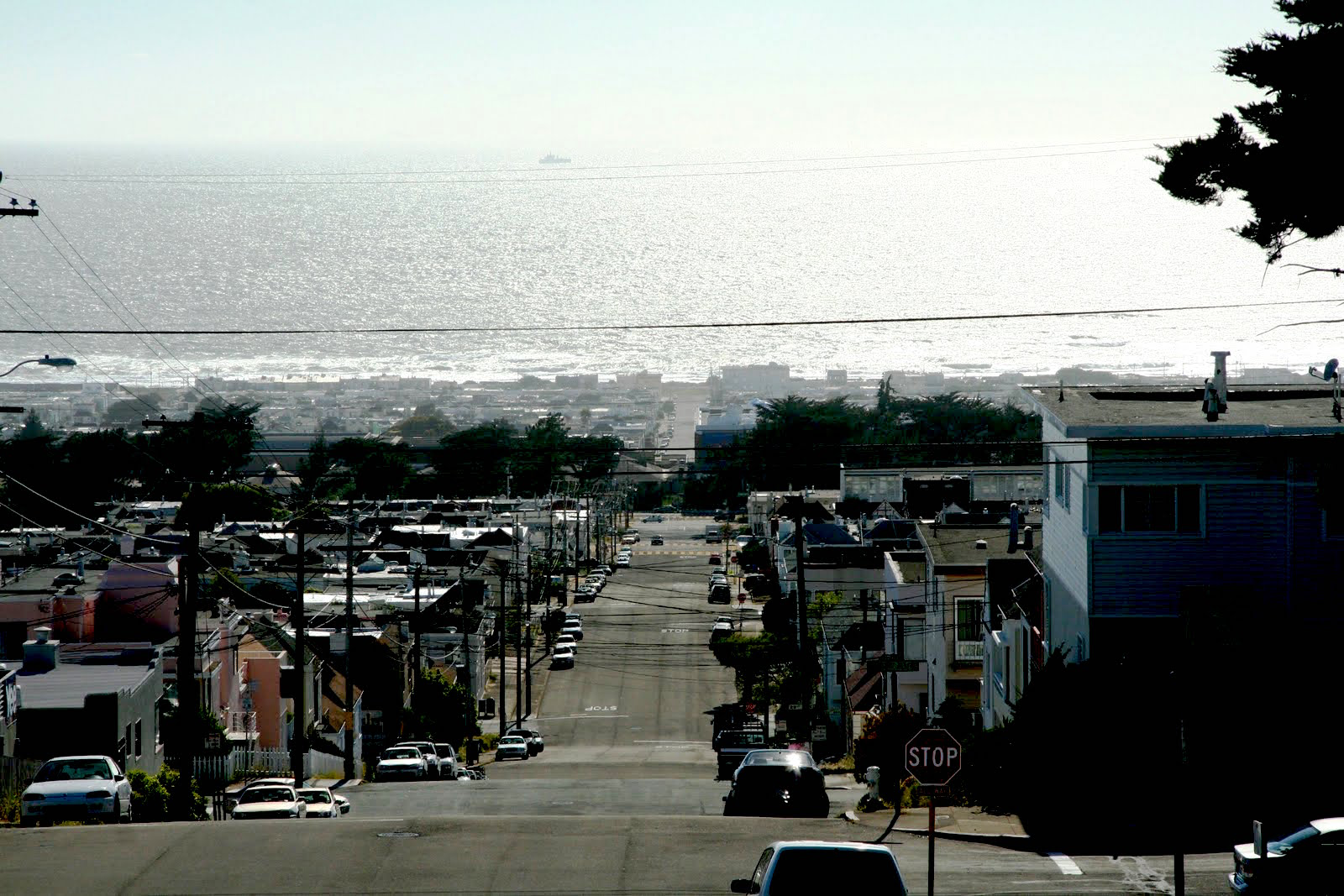
This sounds like an exaggeration. It is not. Ocean Beach in July has been known to require a jacket. The fog is not a bug. The fog is the feature. The entire western third of the city functions as a free, naturally occurring walk-in cooler.
 T Von D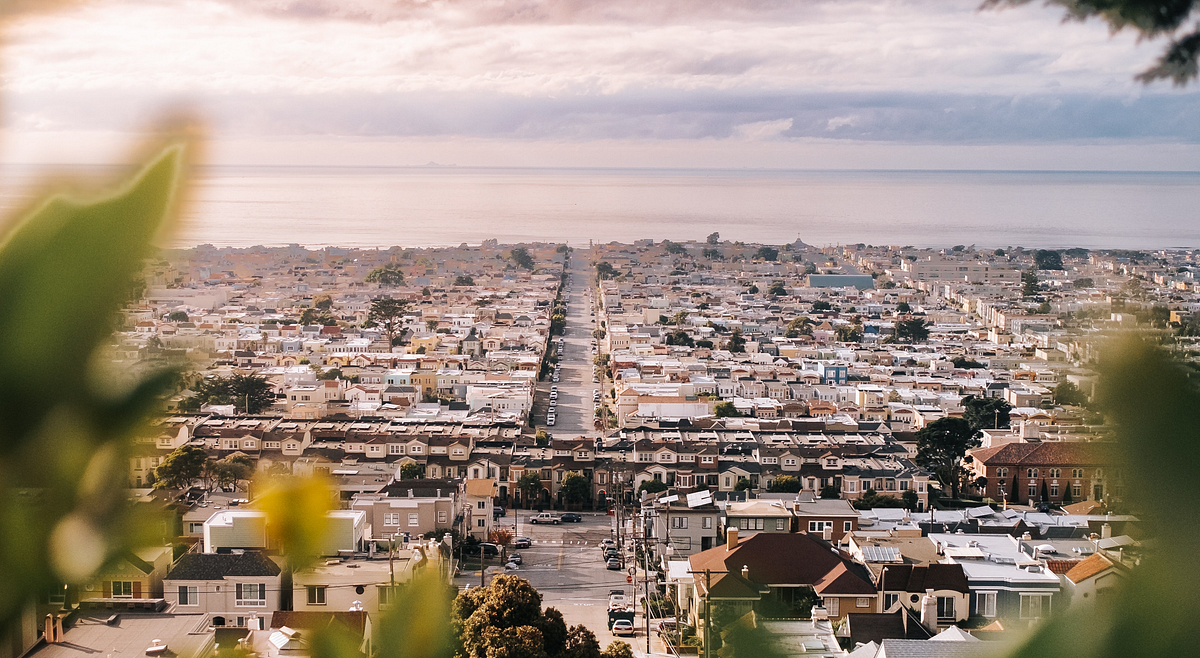
Libraries
Every San Francisco Public Library branch has air conditioning, free Wi-Fi, and a no-judgment policy about how long you sit there. The Main Library at Civic Center is enormous and cold.
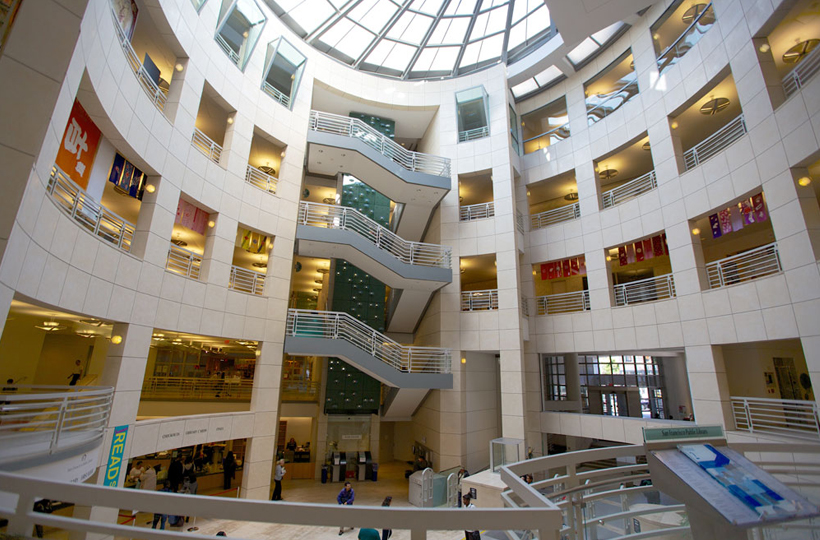
The newer branches in SoMa and the Bayview are particularly comfortable. Libraries are also the city's de facto cooling centers during heat events, which is both a lovely public service and a quiet indictment of our housing stock.
Get a Waymo to nowhere
Hear me out. Waymos have air conditioning. Waymos do not judge you. If you order a Waymo to a location approximately 15 minutes away and then order another one back, you have just purchased 30 minutes of climate-controlled silence for roughly the price of two iced lattes.
 T Von D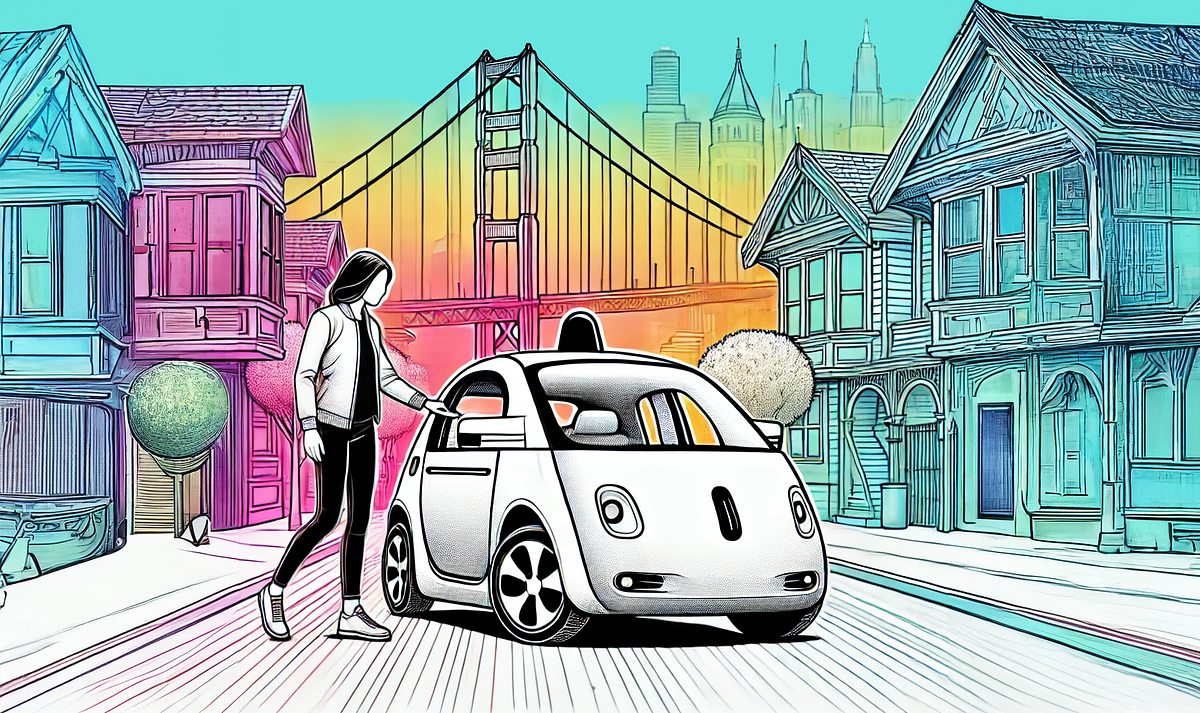
Is this a responsible use of autonomous vehicle technology? No. Is it cooler than your apartment? Almost certainly.
The cold-water beach trick
Baker Beach is the warm-water beach (relatively speaking). Ocean Beach is the cold-water beach. On a heat wave day, Ocean Beach transforms from a place where you'd never willingly enter the water into a place where you still probably shouldn't enter the water but might genuinely want to.
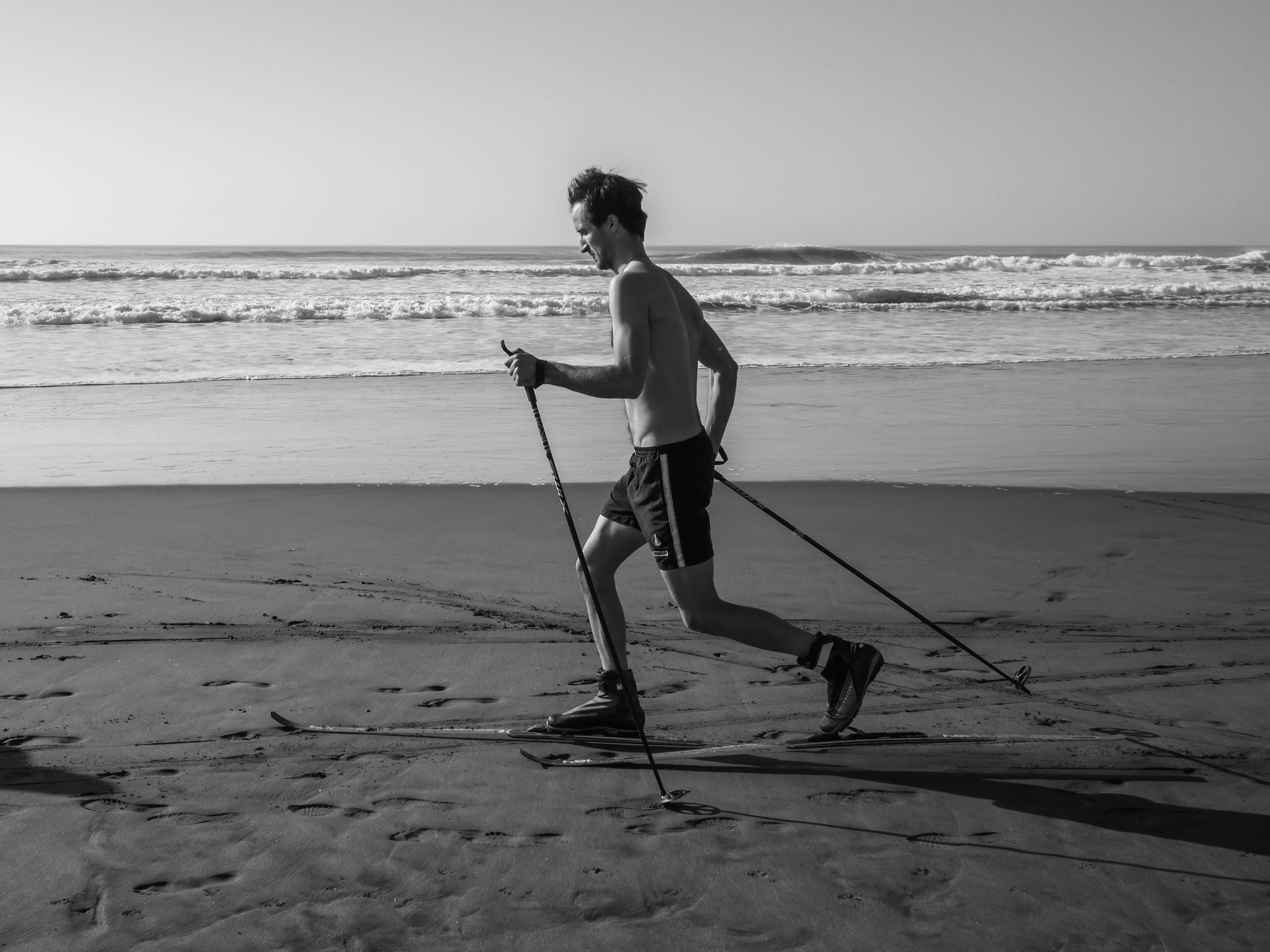
Even if you don't swim, the air temperature at Ocean Beach during a heat wave is often 20 degrees cooler than what's happening in the Mission. Sit on the sand. Let the wind hit you. You'll be annoyed within 45 minutes, which means it's working.
Buy a fan
I know this sounds patronizing, but the dirty secret of San Francisco heat waves is that they almost never last more than three consecutive days. A $30 box fan from Walgreens will get you through the worst of it, and then you can put it in a closet for the next 11 months. We're not tough; we're just rarely hot long enough to justify the investment.
Hotel lobbies
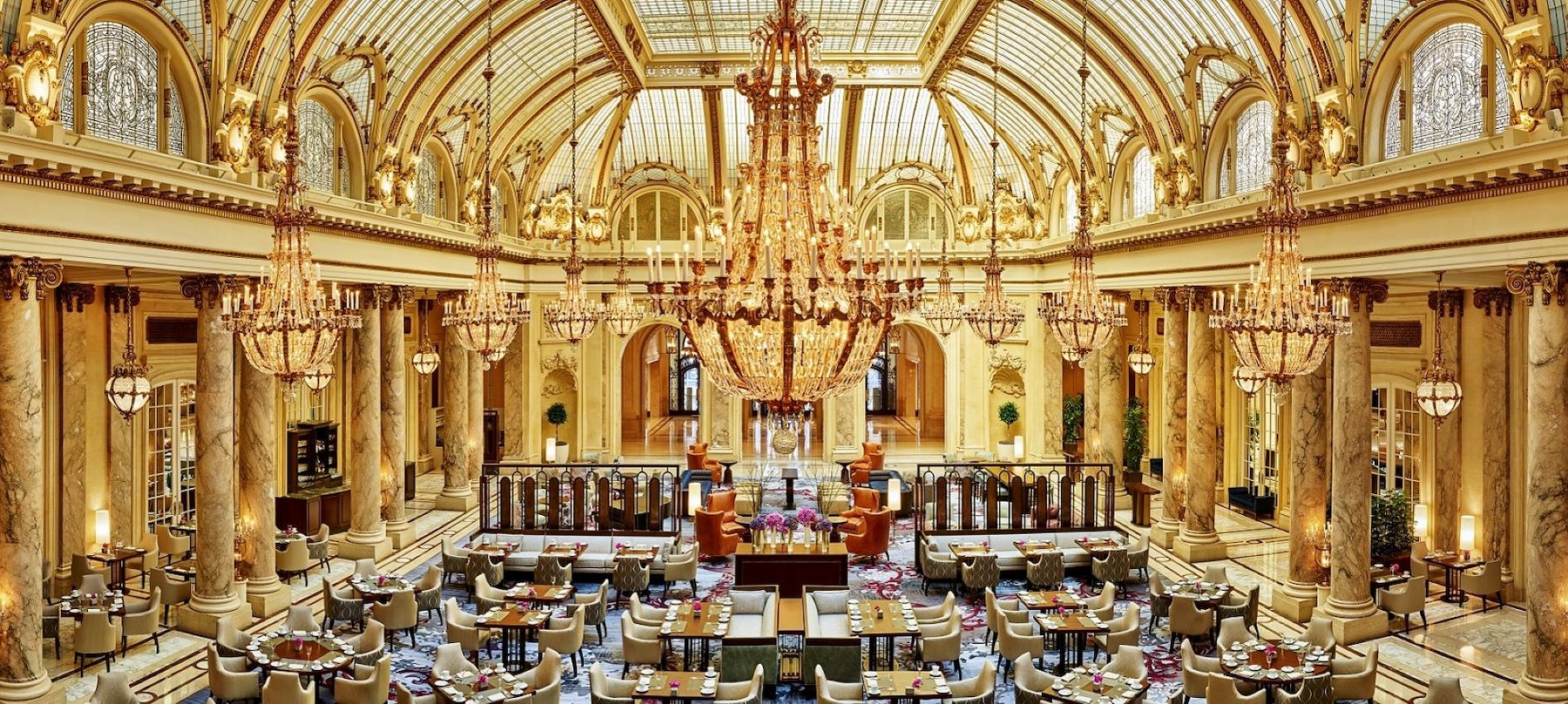
Nobody has ever been kicked out of a hotel lobby for sitting in a chair and looking at their phone. The Fairmont, the Palace, the St. Regis: these buildings have been air-conditioned since air conditioning was invented. Walk in with confidence. Sit down. Open your laptop. You are now a person who is "waiting for someone." You will never be questioned.
The fog will come back
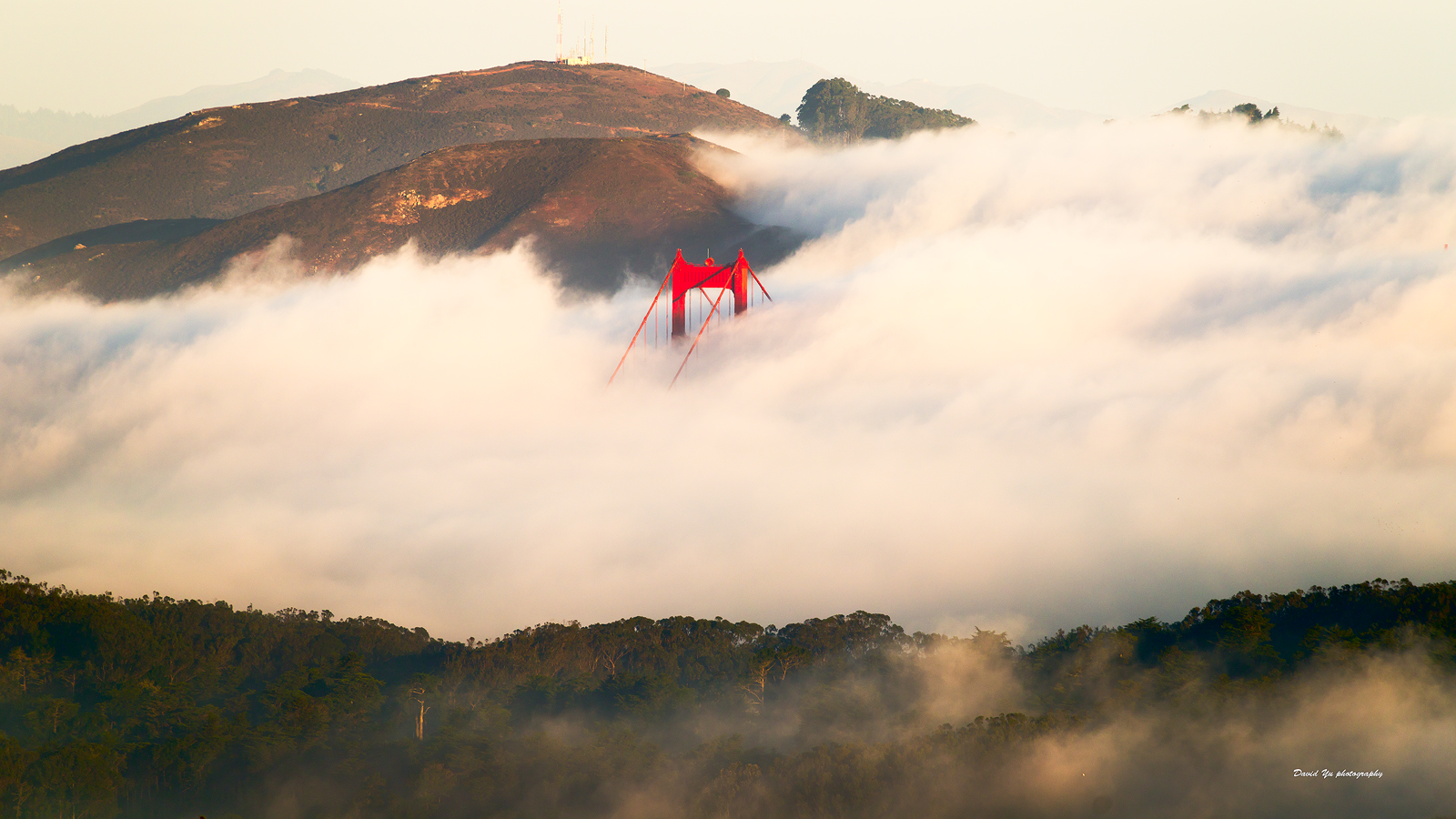
This is the thing newcomers don't believe until they experience it. San Francisco heat waves end suddenly and completely. One afternoon you're dying in a 95-degree apartment with no AC, and the next morning the fog has rolled in so thick you can't see across the street and you're reaching for a jacket.
Mark Twain probably didn't actually say that the coldest winter he ever spent was a summer in San Francisco, but someone said it, and they were describing a Tuesday in July after a heat wave broke.
Somewhere over the Pacific right now, Karl the Fog is gathering strength, checking his phone, seeing all the tweets about the heat, and preparing to make everyone regret wearing shorts by Thursday. He always comes back.
Saul Sugarman is editor-in-chief and owner of The Bold Italic.
The Bold Italic is a not-for-profit media organization, and we publish first-person perspectives about San Francisco and the Bay Area. We operate under a fiscal sponsorship of a 501(c)(3).
You can become a paid subscriber. Or donate. Or learn more about us.