

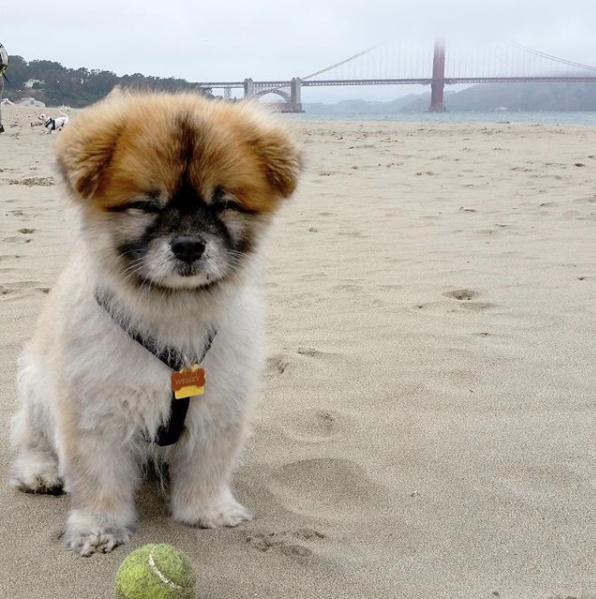
A little over a year ago, I started an Instagram account; in part because I wanted to try a new social media platform, in part because I thought Instagram would be a visually straightforward means of cataloging my life. My daughter had just left for college, and I thought social media would help me spend my newly-discovered free time reconnecting with old friends.
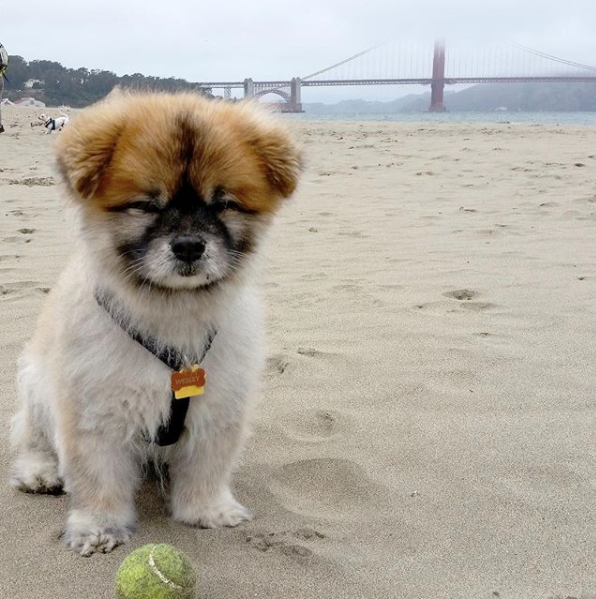
When I would post a family vacation photo or a dish from a favorite restaurant, it only received a couple likes and I only gained a few followers. Mind you, I am of the generation where most of my friends are on Facebook. I wasn’t surprised by the underwhelming attention these two photos received. But I was shocked the following week, when I posted a photo of my senior rescue dog, Wesley, and it received more than 50 likes. Strangers asked what breed of dog he was. This attention made me wonder if he could achieve Boo-the-Cutest-Dog-in-the-World– or Tuna-Melts-my-Heart–status. I immediately changed the handles on the account to make it look like it belonged to Wesley.
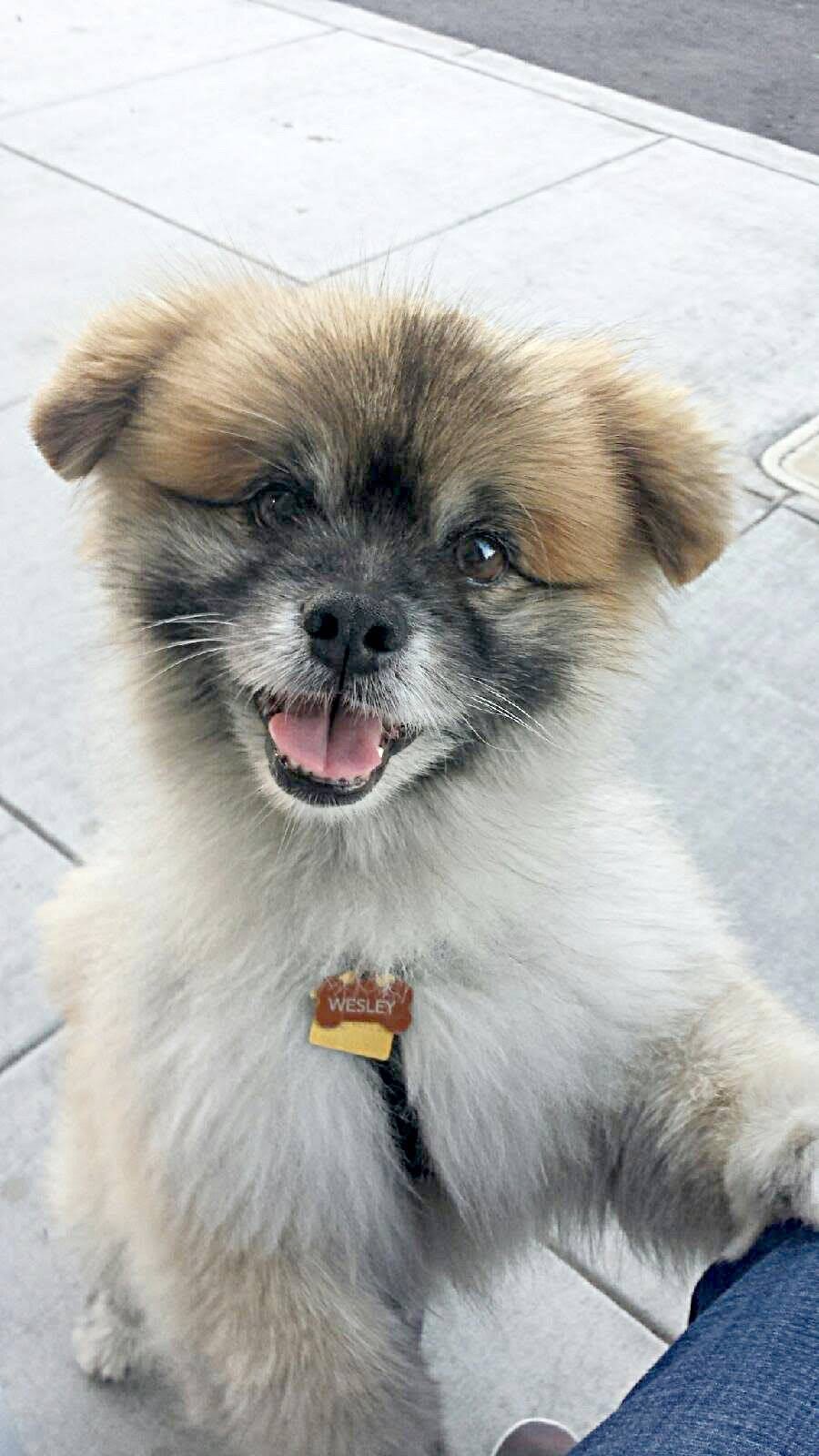
I have always been a dog lover. I grew up with a chow chow who was like a member of the family. I know my neighbors by their association with the dogs they regularly walk. I don’t remember their names, but I know their dogs’ names. People new to the neighborhood always ask me about Wesley, so I figured: why not try and make money from it on social media? Dollar signs in my eyes, I asked Professor Google how to make Wesley the next social media superstar.
The basic advice I got out of my abbreviated research: use lots of hashtags and post great photos. Not too hard, I figured. Equipped with a decent Samsung smartphone, I snapped photos of Wesley, then started posting every other day, using copious hashtags. “#cutedog #instadog #instapuppy #likeforlike,” and so on. As I gained a modest following, I observed a trend: My followers were starting to expect me to post at certain times—eventually, every day, seven days a week.
I have always been a dog lover. I grew up with a chow chow who was like a member of the family. I know my neighbors by their association with the dogs they regularly walk. I don’t remember their names, but I know their dogs’ names.
Learning how to build an audience was the hardest part. I started following other dog accounts in the hopes they would follow back. My theories were all wrong. Less than half of the other dogs followed back — some even unfollowed as soon as I followed them back. This angered me, but I learned there aren’t really any ethics to social media. People are so obsessed with fame, they forget that there are real people running these animal accounts. So I started looking for patterns and concluded some people are simply “breedist,” following only pure breeds or their own dogs’ breed. I couldn’t take things personally, and figured I just needed to change my strategy.
Armed with more knowledge, I became more cautious with who I followed. And I discovered that the more I socialized with others, the more followers I got. The photos that were captioned playfully, with tons of personality, got the most likes. So I began to spend 4–5 hours a day on Instagram, following accounts, commenting on the photos and crafting my own captions. I gained more and more followers steadily.
I needed to gain followers faster. Wesley is a senior dog, after all.
But I was also starting to get neck and arm cramps regularly. I grew progressively more addicted; the high from seeing the “follower” number increase gave me an endorphin rush that pushed me to keep going. Four months after I began, I had reached 2,000 followers. This seemed impressive to me, until I did the math in my head. I needed to gain followers faster. Wesley is a senior dog, after all.
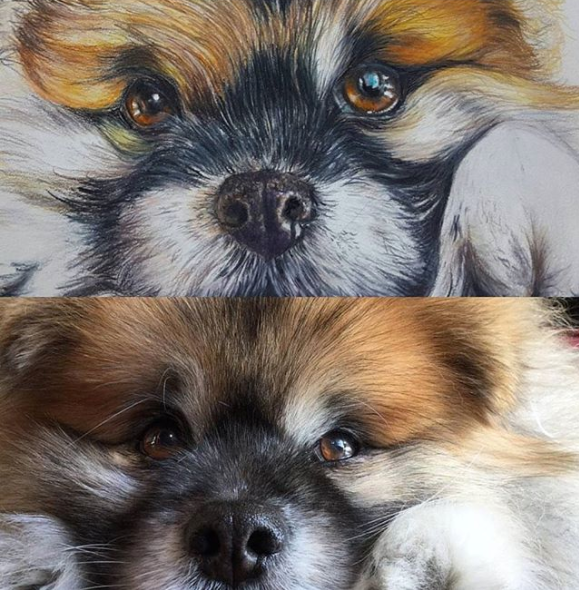
Two-thirds of the way to 4,000 followers, I realized I was plateauing. Again I learned something new; namely, for Wesley to gain more followers, he needed to appear “popular.” So I started studying other popular and famous dog accounts. I participated in “challenges,” viral contests that invited owners to post pictures of their dogs with #tonguesouttuesday or #dogwithglasses. I noticed these contests caught the attention of the audience of previous participants. I slowly unfollowed accounts that were inactive. I also responded to an artist’s request to do a colored pencil drawing of Wesley, in order to jumpstart her career in dog portraiture. We direct messaged each other, agreeing not to let money swap hands. I felt that this was ethical. I wanted to support her making art, and I also knew I would enjoy a drawing of Wesley.
I started to participate in “challenges,” viral contests that invited owners to post pictures of their dogs with #tonguesouttuesday or #dogwithglasses.
All of this attention ended up working, and my follower count crept up to 5,000. The more I labored, the more I learned the true scope of the dog Instagram community. It’s bigger than I could imagine. Most people are only aware of the most famous accounts, but there are thousands more. The community is particularly big in San Francisco, because there are so many dogs here — more dogs than children, as we are fond of citing. Every time I gave someone Wesley’s Instagram account, it seemed like they would have an account for their dog too. Myself, Wesley, and my husband now attend social and fundraising events around town in order to meet Instagram friends in real life. Every time we attend, I dress him up in children’s clothing, or make us matching bowties from an old shirt donated to Goodwill.
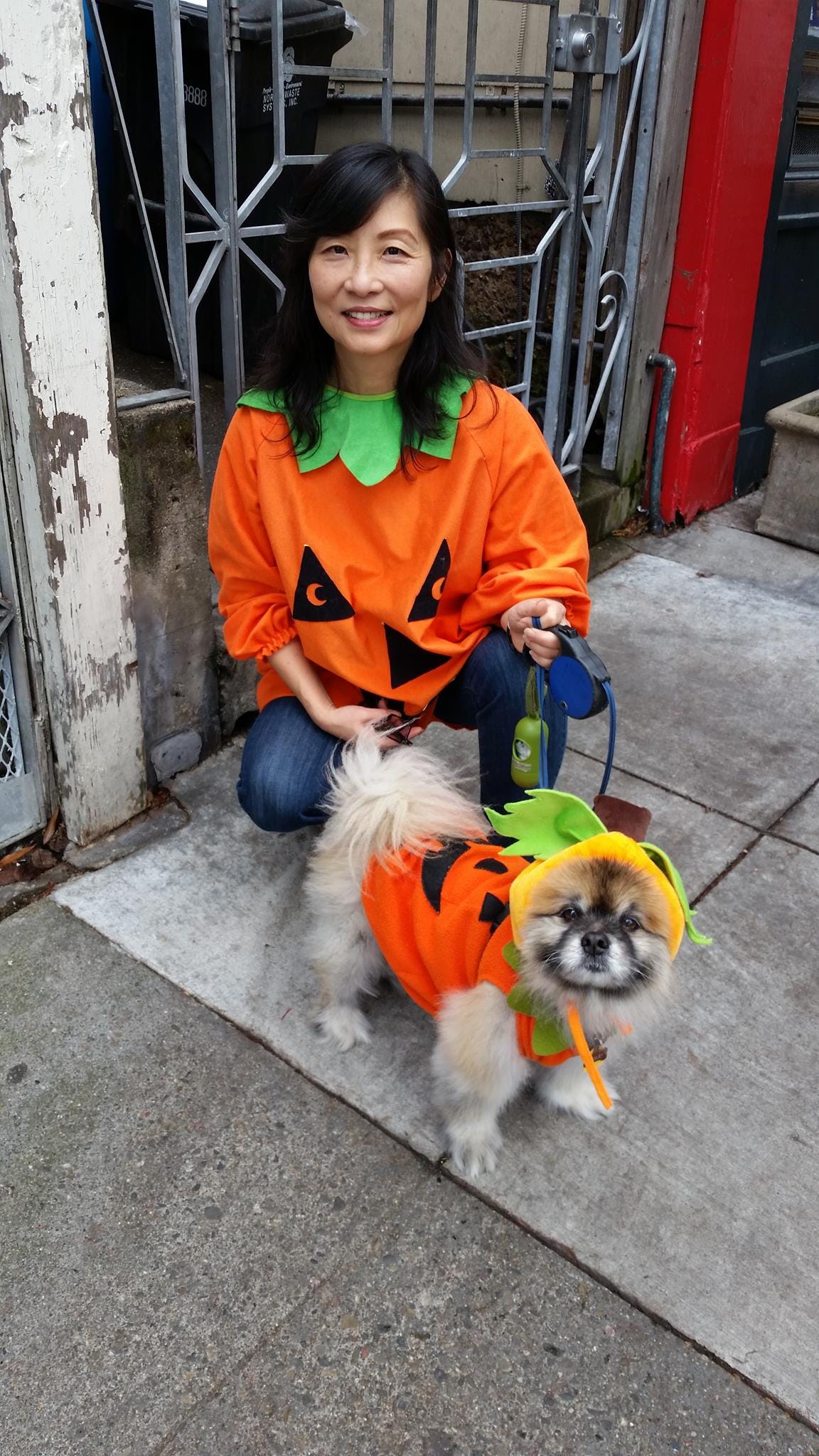
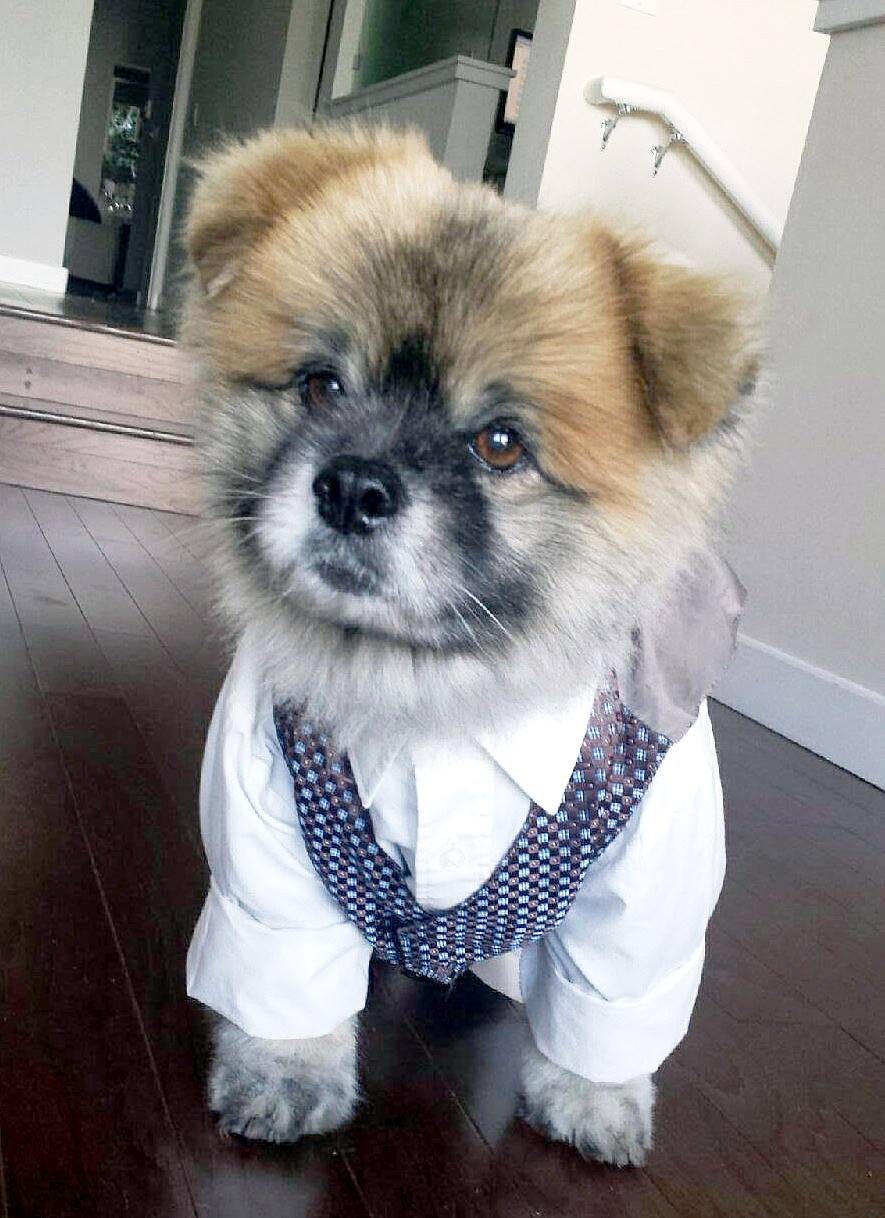
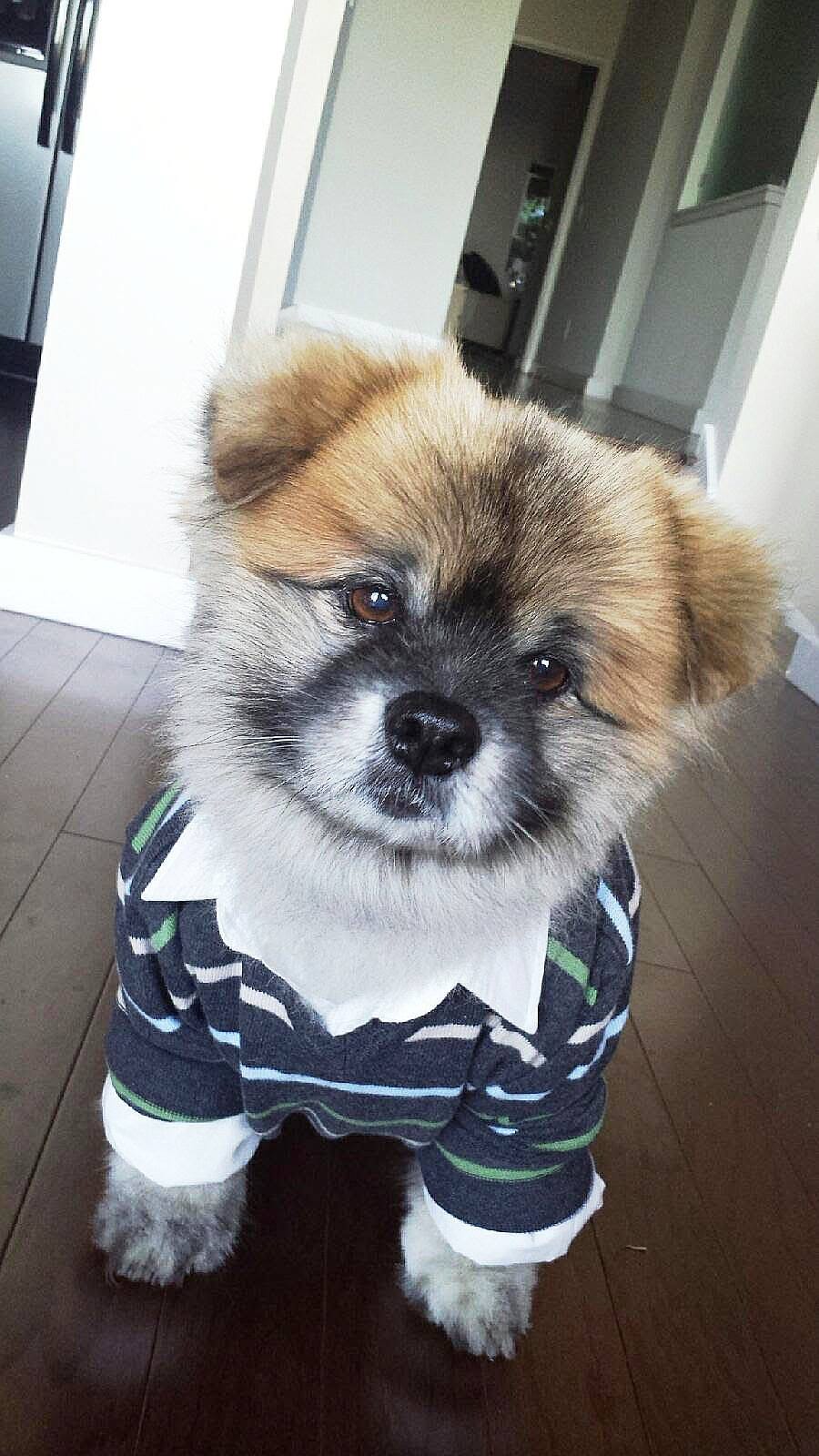
And yet, this has turned into a full-time job, and I’m starting to feel burnt out. I now spend 2 hours a day posting, commenting and streamlining. I’ve gained a greater respect for the power of social media. People are frequently surprised at my success on Instagram, given I am a Gen-Xer. But we aren’t social media–illiterate.
Sometimes, what it really takes is reminding followers that you’re human. Or dog, in my case.
Brands often pay agencies a lot of money to boost their social media following. Sometimes, what it really takes is reminding followers that you’re human. Or dog, in my case.
There is a core group of friends around the world that I socialize with on a regular basis, and I am proud to say that at the one-year mark of starting my account, Wesley has 5,700 followers. I have begun to receive a few advertising opportunities, just as I’d originally hoped, but I’ve turned most of them down. Maybe I’ll accept such deals later, but for now I’m enjoying the community I’ve become a part of.
And I’ve started to wonder how Snapchat works.
Is your doggo adorable? Let us know in the comments. You can follow Wesley’s Instagram here.
Social Media and Doggos
The Bold Italic is a not-for-profit media organization, and we publish first-person perspectives about San Francisco and the Bay Area. We operate under a fiscal sponsorship of a 501(c)(3).
You can become a paid subscriber. Or donate. Or learn more about us.