


I never met Clint Reilly, but knew him vaguely as that person who fired me. It was 2021, and he had just acquired the SF Examiner and SF Weekly. Through his proxies, Reilly shuttered the Weekly, then dismissed many people from both brands that included—to my recollection—most freelancers, including me and also one Broke-Ass Stuart, and managing editor Sara Gaiser.
Reilly died on Sunday. He was 79.
Newspapers are woolly mammoths nowadays, which is why I think most people forget how long Reilly had his eye on SF Examiner. In 1993, he was invited to the Examiner to help plan a campaign to lift the paper's circulation. A meeting with publisher William Randolph Hearst III and executive editor Phil Bronstein instead turned into a heated argument over the Examiner's political coverage. Reilly broke his ankle in a scuffle with Bronstein and sued the paper. He walked away with, reportedly, a six-figure settlement.
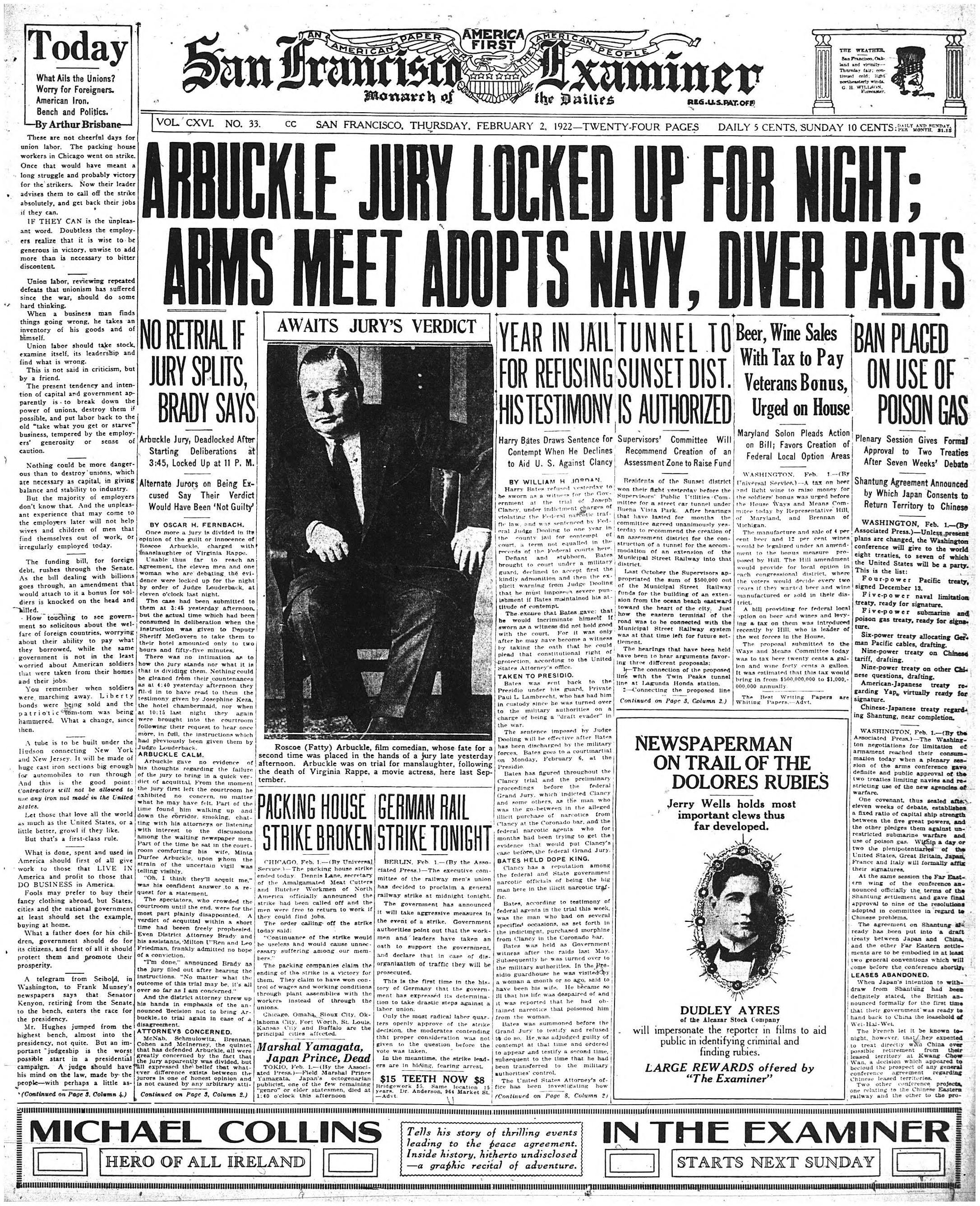
Then in 2000, he brought an antitrust lawsuit to challenge the sale of the San Francisco Chronicle to Hearst, which then owned the Examiner. Reilly argued the deal threatened competition and independent journalism in the Bay Area. To resolve the government's antitrust concerns, Hearst handed the Examiner to the politically connected Fang family. He sued again in 2006 to stop MediaNews Group and Hearst from combining ad operations, and ultimately, that consolidation didn't happen, either.
It's clear he felt strongly about the publishing business, as do many wealthy men: William Randolph Hearst, Rupert Murdoch, Michael Moritz, Charlie Munger, Michael Bloomberg. And like most on this list, Reilly's passion for media lived in the same room as one for politics.
His clients included Nancy Pelosi, Dianne Feinstein, Barbara Boxer, and Mayor Frank Jordan. Reportedly, he remains the only consultant to have beaten two recall campaigns against sitting California officials, defending Feinstein in 1983 and state Senate leader David Roberti in 1993. He worked the civic side too, helping Jordan keep the Giants from leaving town in 1992 and passing the $52 million bond in 1994 that built the Asian Art Museum.
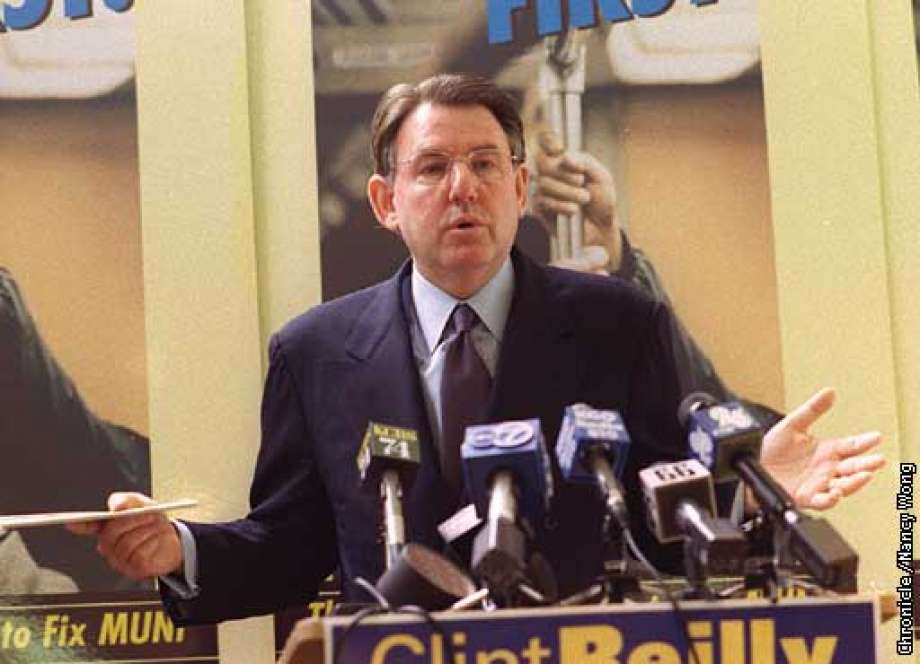
In 1999 Reilly ran for mayor, spending his own money and staking his own reputation in a hard-fought race against the incumbent, Willie Brown. He lost. On Sunday, Brown remembered him with three words, per the SF Standard: "able and dedicated. And committed."
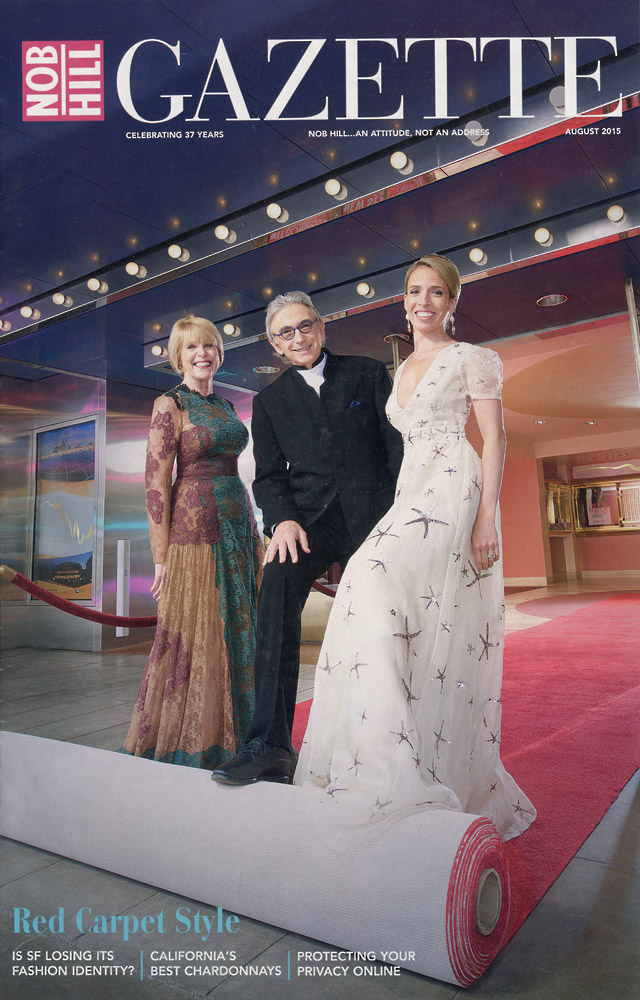
His commitment also touched the many hobnobbers of San Francisco. Before acquiring the Examiner, Reilly bought the Nob Hill Gazette, a gossip paper not unlike Lady Whistledown but with none of the scandal. Lois Lehrman, who had owned and published it for roughly three decades and turned it into the definitive chronicle of San Francisco high society, with Merla Zellerbach editing it for much of that run. To this portfolio he added the Peninsula luxury magazine Gentry in September 2020.

Through all of Reilly's work was also a thread from the seminary. Reilly served as president of the board of Catholic Charities of San Francisco, and in 2008 he founded Bay Scholars, a nonprofit that sends low-income students to private college-preparatory high schools across the Bay Area. He called it one of the accomplishments he was proudest of.
Reilly lived in San Francisco's Seacliff neighborhood. He is survived by his wife, Janet Reilly, and their daughters, Jill and Ava.
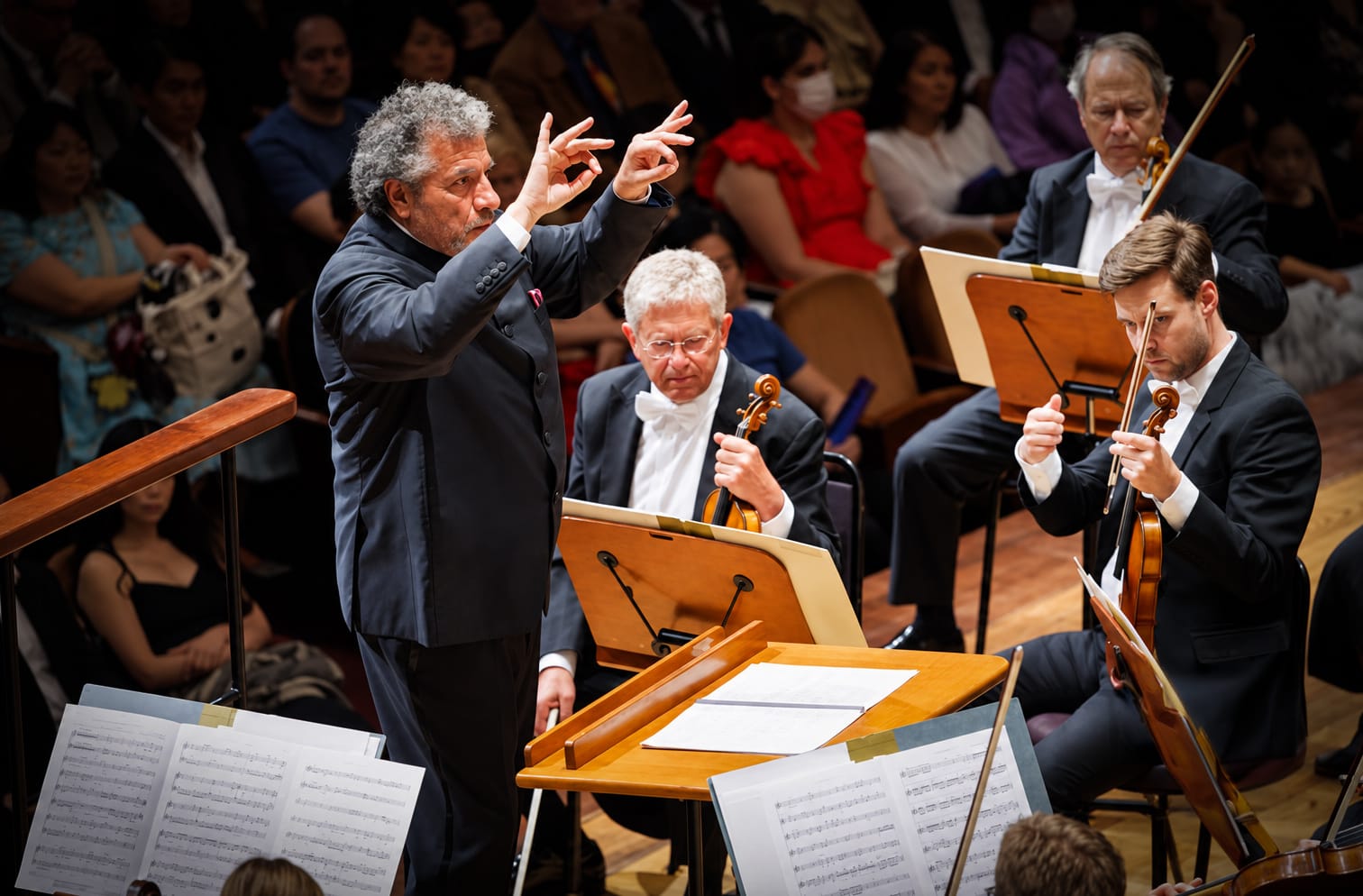
The lead image in this story is via Drew Altizer Photography.
Saul Sugarman is editor-in-chief and owner of The Bold Italic. The Bold Italic is a not-for-profit media organization, and we publish first-person perspectives about San Francisco and the Bay Area. We operate under a fiscal sponsorship of a 501(c)(3).
You can become a paid subscriber. Or donate. Or learn more about us.