

This profile is part of “We Create SF” — a series of essays highlighting artists, performers, small businesses and anyone else that makes San Francisco iconic and irreplaceable.
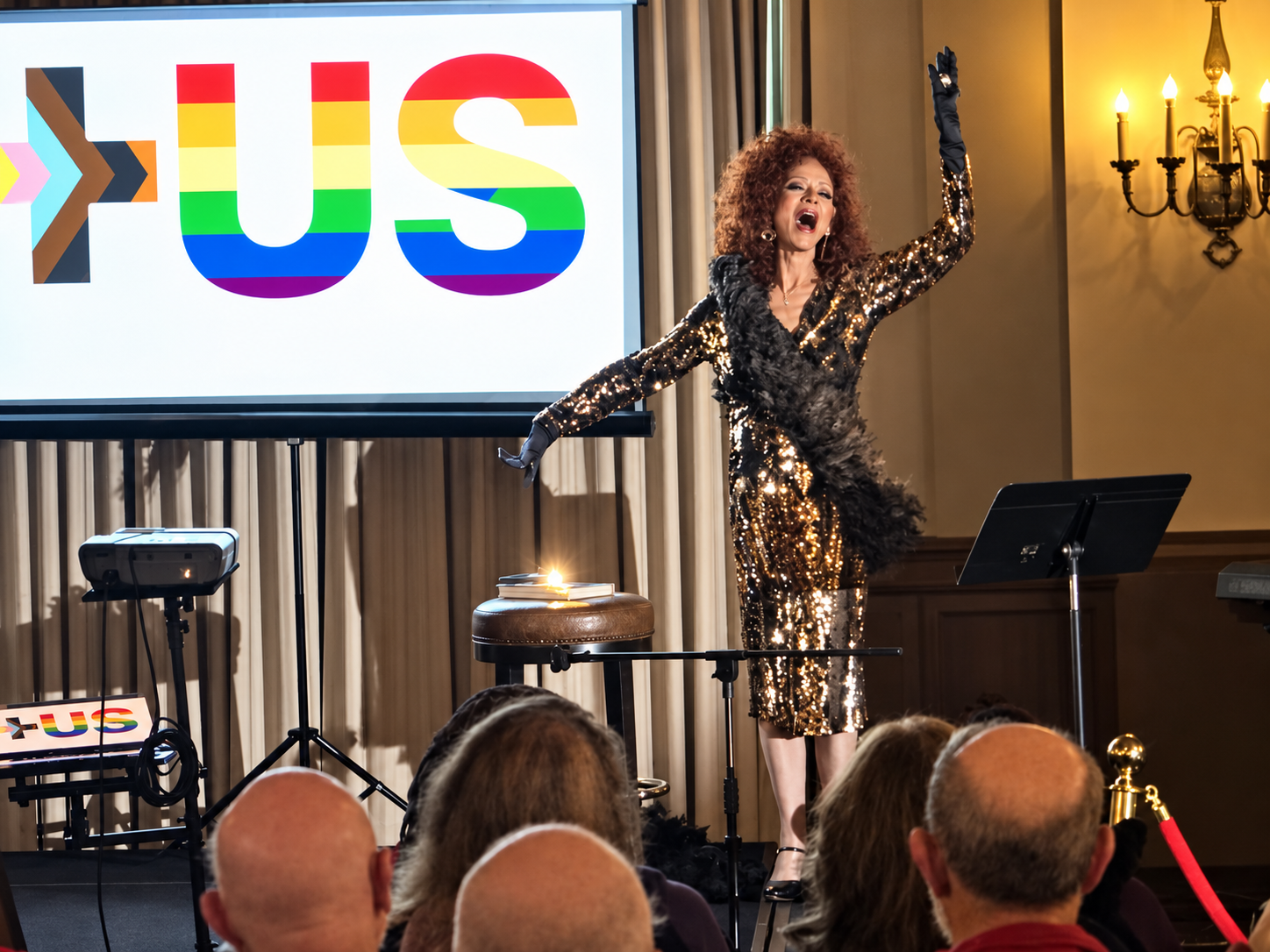
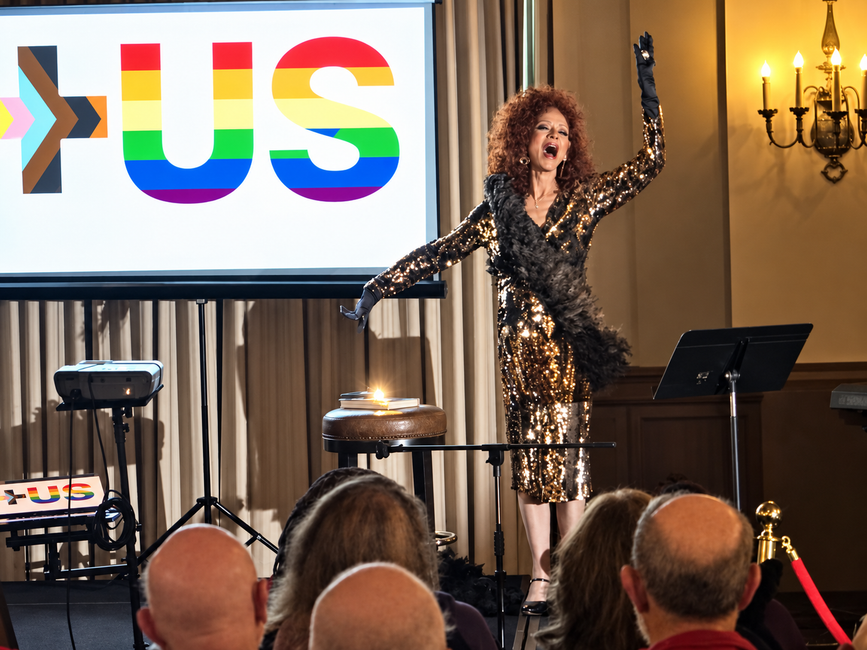
Tom LeNoble owns a gown you might recognize from Rita Hayworth in Gilda. Hayworth made hers famous in 1946; LeNoble took a little longer to fully embrace the spotlight.
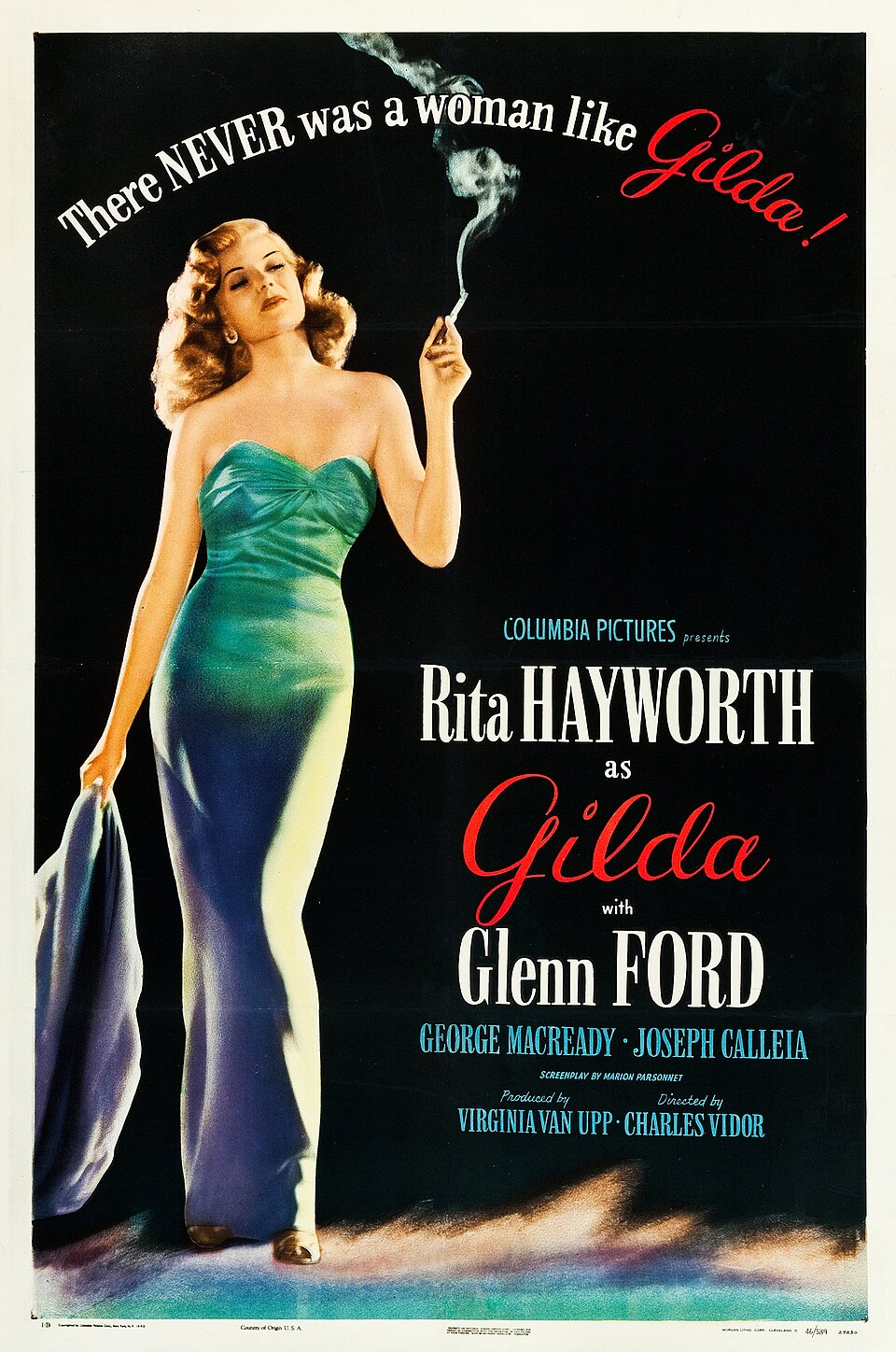
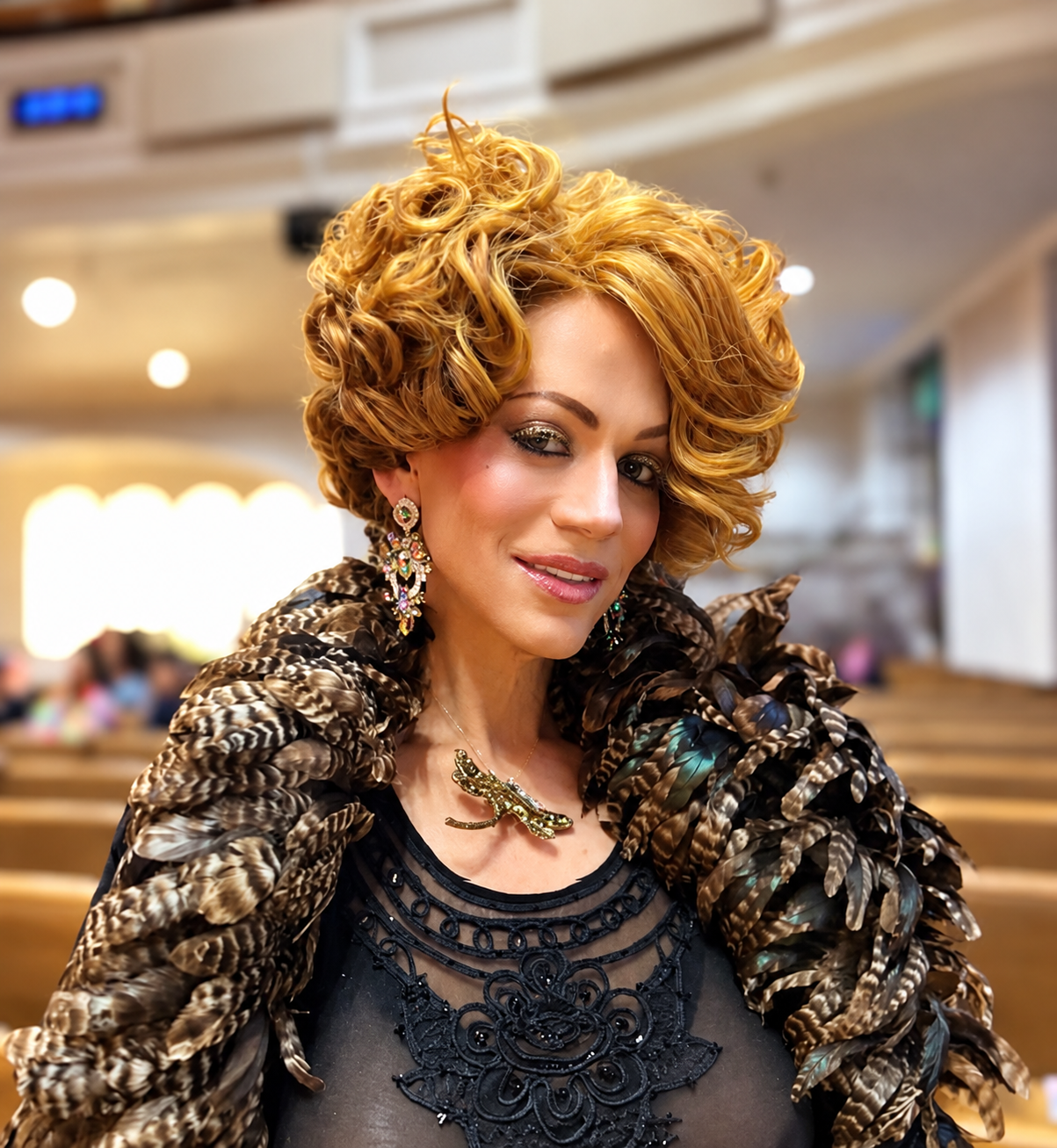
His dress belongs to Rita Dayworth, the drag persona LeNoble first performed as a college student in Gainesville, Florida, in the 1970s. Rita mostly went quiet after that, while LeNoble built a career in business suits: customer service at MCI and Walmart.com, global service operations at Palm, and a job at early Facebook, where he was employee No. 57.
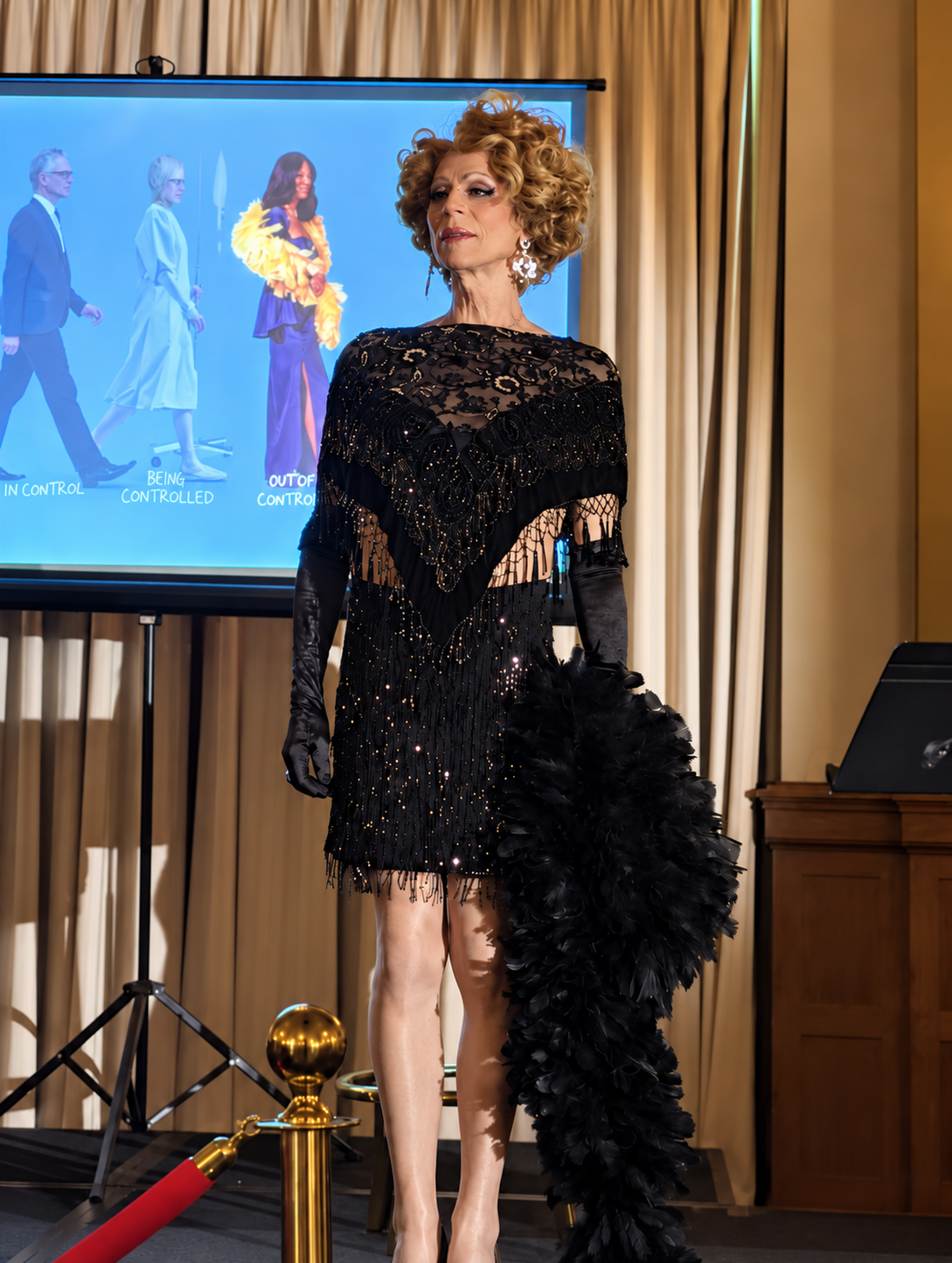
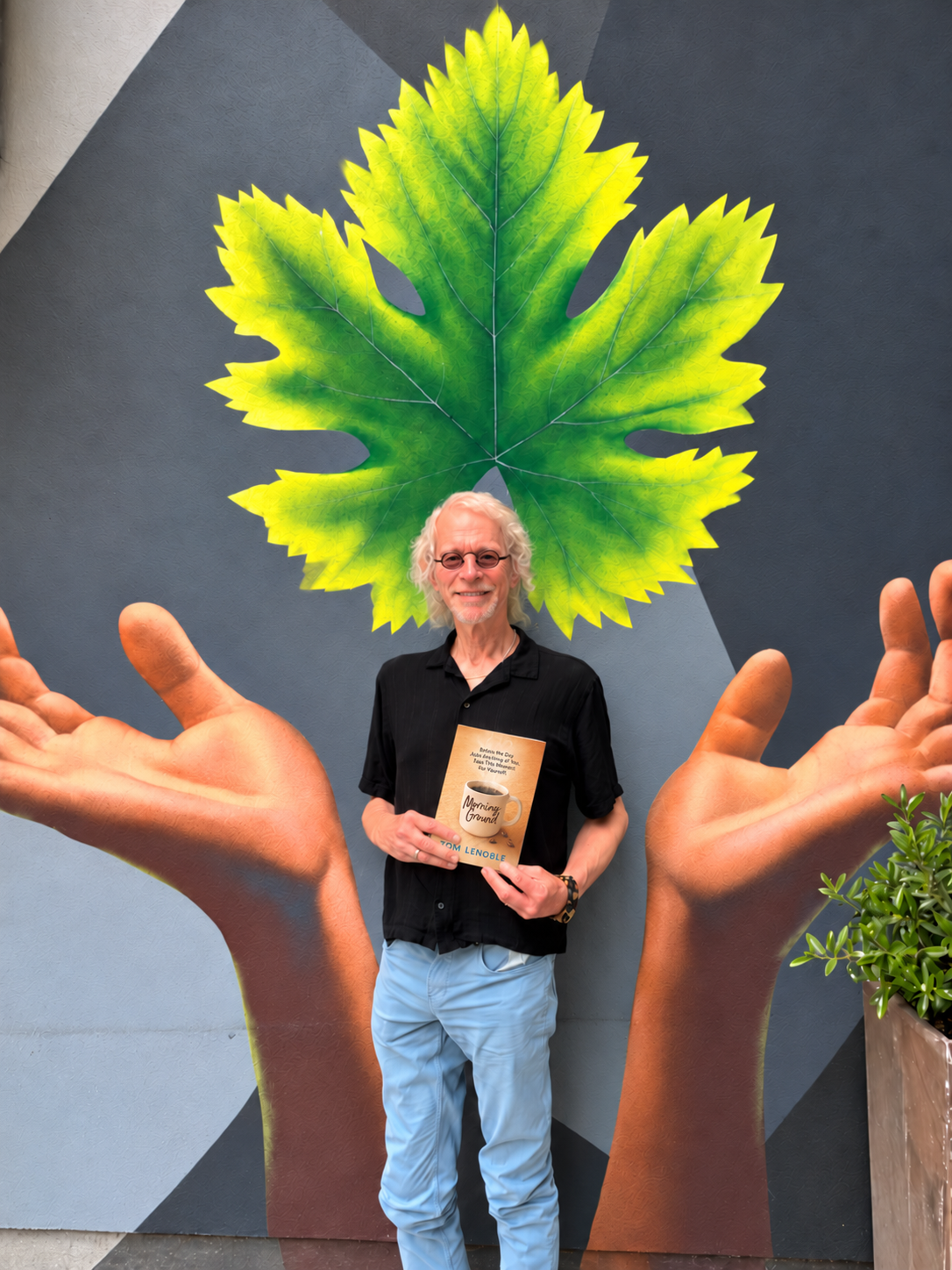
Last November he published a memoir, My Life in Business Suits, Hospital Gowns, and High Heels, and the gown came back out. So did everything else he'd kept from colleagues, including that he has lived with HIV since 1989. Rita made an entrance at his book launch, and she has walked in Runway of Pride.
 Tom LeNoble (Author) Format: Kindle Edition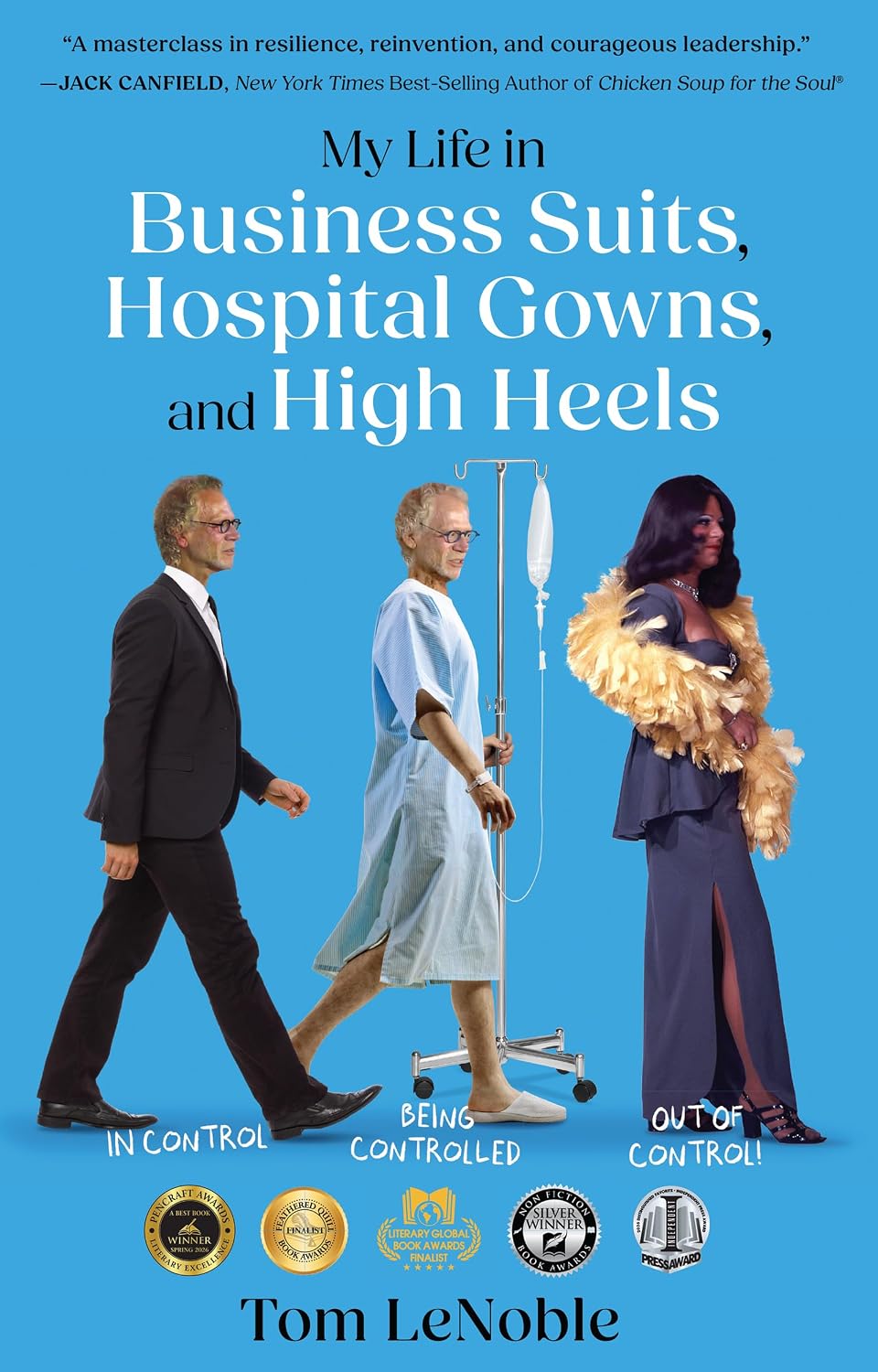
"I don't do Rita much anymore," he told me in a phone call we had this summer.
And that's mostly true. When LeNoble turned to corporate roles years ago, Rita went into storage, and she wasn't the only thing he kept out of sight. Since the memoir came out, LeNoble said, the people just getting to know him keep asking him the same questions.
"Where the hell have you been? Where have you been hiding? Who is this guy?" he said. "Where has he been for 33 years? Why is he visible now?"
The short version is that he spent a long time being told he was dying, and he kept that to himself.
LeNoble's older brother died of AIDS at 35, when LeNoble was 29. In 1989, LeNoble tested positive. He spent the next 10 years with full-blown AIDS, and twice in that stretch he was told he had six months to live. Thirty-three years ago, he moved to San Francisco. "I was very, very sick," he said. "I came here to die at the height of AIDS."
Instead of dying, he went to work. In the 1990s he ran the Andrew Ziegler Foundation, an all-volunteer group named for an HIV counseling coordinator who died of AIDS at 29. It took years to get the virus suppressed, and by then the dot-com boom had mostly passed him by. He went back to the corporate world anyway, as head of service at Walmart.com in its early days and then running global service operations at Palm.
"When I'm told something is impossible," he told me, "I say, 'Watch this.'"
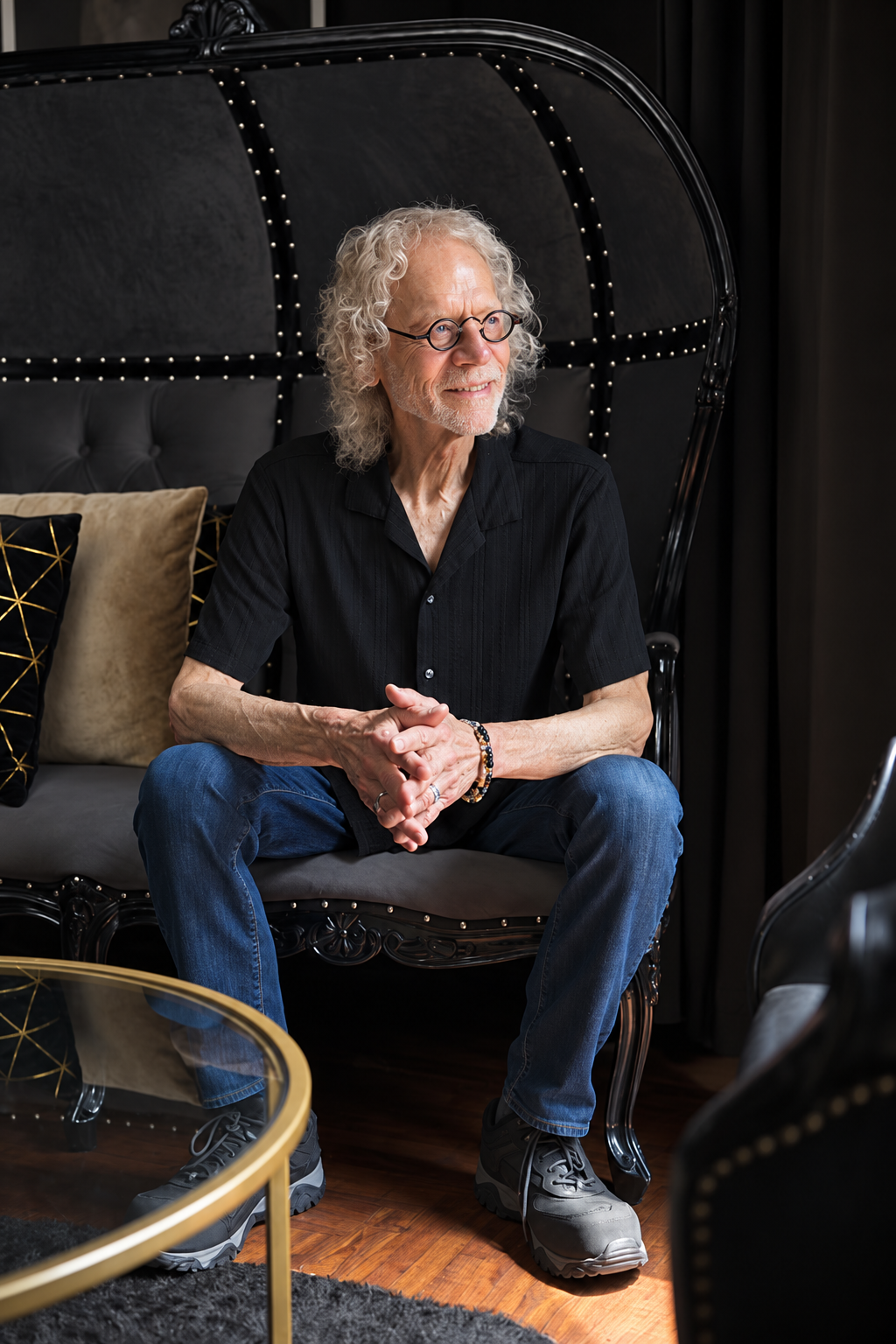
Then a recruiter called about a job at a company he'd never heard of. Soon after, LeNoble interviewed with Mark Zuckerberg and became, by his count, Facebook's 57th employee. Many of his new coworkers had put off law school or medical school to be there." Everyone was 20 and 21, and I was 50," he said. They called him the adult.
Later came a third six-month prognosis, this time for cancer. LeNoble has now lived with metastatic cancer for more than 14 years. Through all of it, almost no one at work knew. "I was sick the whole time, and nobody ever knew I was sick," he said.
Others have carried their HIV status in silence, too. Billy Porter was diagnosed in 2007 and didn't speak about it publicly for 14 years. He told The Hollywood Reporter in 2021 that he had feared it would ruin his career. Olympic diver Greg Louganis kept his HIV status secret for seven years after his 1988 diagnosis. "You don't realize how powerful secrets can be," he said in 1995, the year he went public in a Barbara Walters interview and in his memoir, Breaking the Surface. Afterward, he lost all but one of his corporate sponsors.
In speaking to LeNoble, I sensed a catharsis in outing himself. In 1989, with no life-saving treatments and a stigma that could end a career, keeping quiet about HIV was not just a reasonable way to keep working but one that I'm sure felt necessary for many people. Thirty-some years later, with the virus long suppressed, the silence has been moreso protecting him from being known.
I also think stigmas around this infection still exist, and that every person brave enough to live their truth is—I hope—paving a path toward a more tolerant society.
"From my perspective, HIV is not over," he said. "Like many things in life, the further we get from the horrors of something, the more people forget. The danger of HIV and AIDS today is that people forget."
These days, LeNoble is easier to find. He has served on SF Pride's community advisory board and on the cabinet for the Harvey Milk Plaza renovation, and he has supported the GLBT Historical Society for decades. He also writes a column profiling nonprofit leaders about how they came to service, and the interviews keep surprising him. "As I'm meeting with them, I'm going, 'Oh my God, I had no idea who you were,'" he said.
The memoir took its time getting out the door. "I wrote this book, and it was so cathartic that I put it on the shelf. I didn't do anything with it," he said. Once it was published, it collected a string of independent book awards, but LeNoble talks about it in more personal terms. "It's been one of the most liberating things I have done," he said. "It's so totally me. No more hiding things in business."
He hopes it does something for whoever picks it up. "You can't be anybody else but who you are," he said. "There's only one of you, so celebrate it."
As for Rita Dayworth, she works special occasions only these days. At one, on the roof at Charmaine's, the bar atop the Proper Hotel, LeNoble surprised his closest friends with five costume changes in 25 minutes. "It's more about performance and theater for me, creating an illusion," he said. "I was a theater kid."
That taste for illusion shapes how LeNoble sees modern drag, although he has plenty of love for the current scene. He praised SF Oasis for giving a stage to people who would otherwise never have one, and he called the recent Pride kickoff at the newly-renovated Castro Theatre extraordinary. His definition of drag is roomy, too. "If you're in full leather, you're in some kind of drag," he said.
 Saul Sugarman
But he misses the drag of the '70s and '80s, when it meant female impersonation and a well-done lip sync. Lately he finds it heavy on over-the-top acrobatics. "It feels like drag today has become a bit of a circus," he said, but then added: "It all has its place."
Saul Sugarman is editor-in-chief and owner of The Bold Italic.
The Bold Italic is a not-for-profit media organization, and we publish first-person perspectives about San Francisco and the Bay Area. We operate under a fiscal sponsorship of a 501(c)(3).
You can become a paid subscriber. Or donate. Or learn more about us.