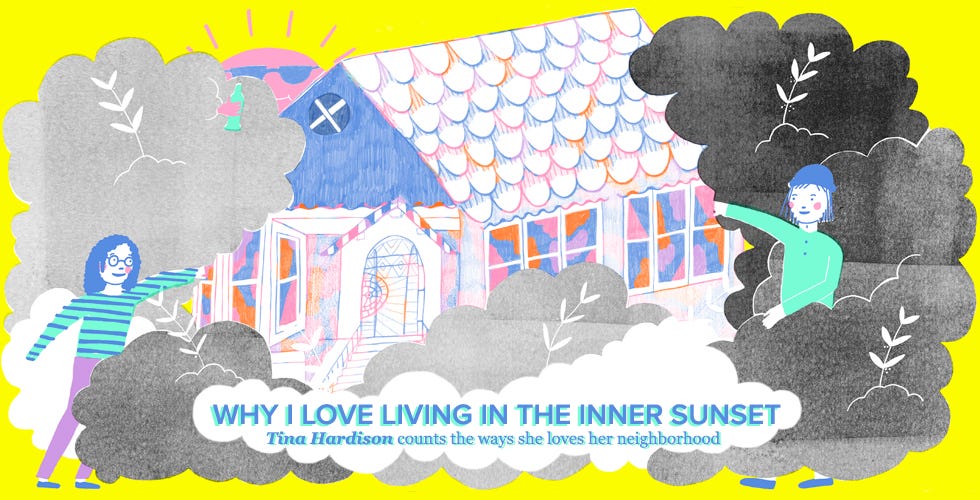

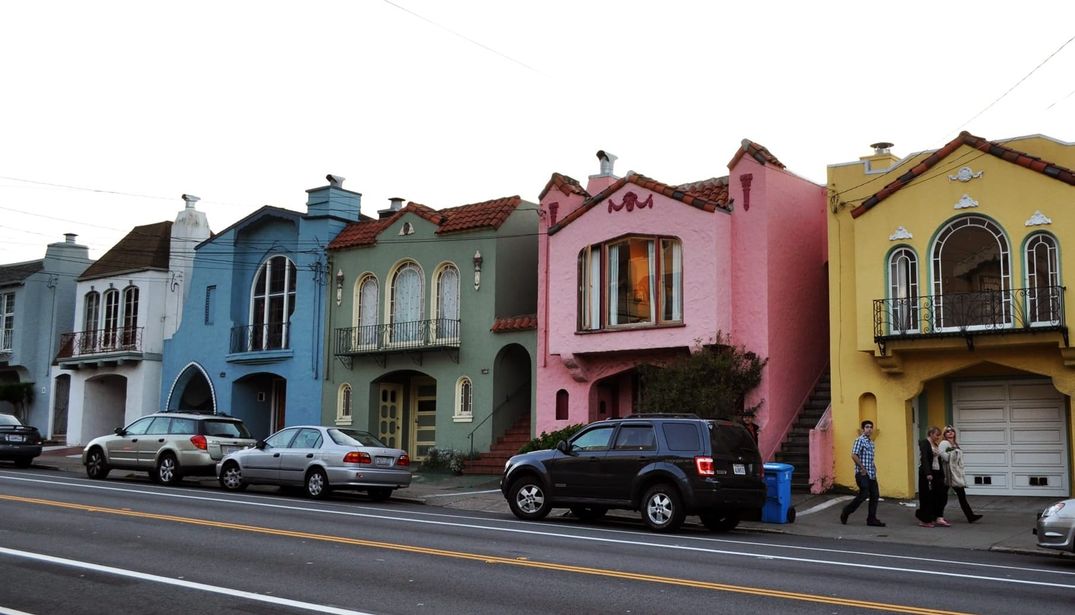
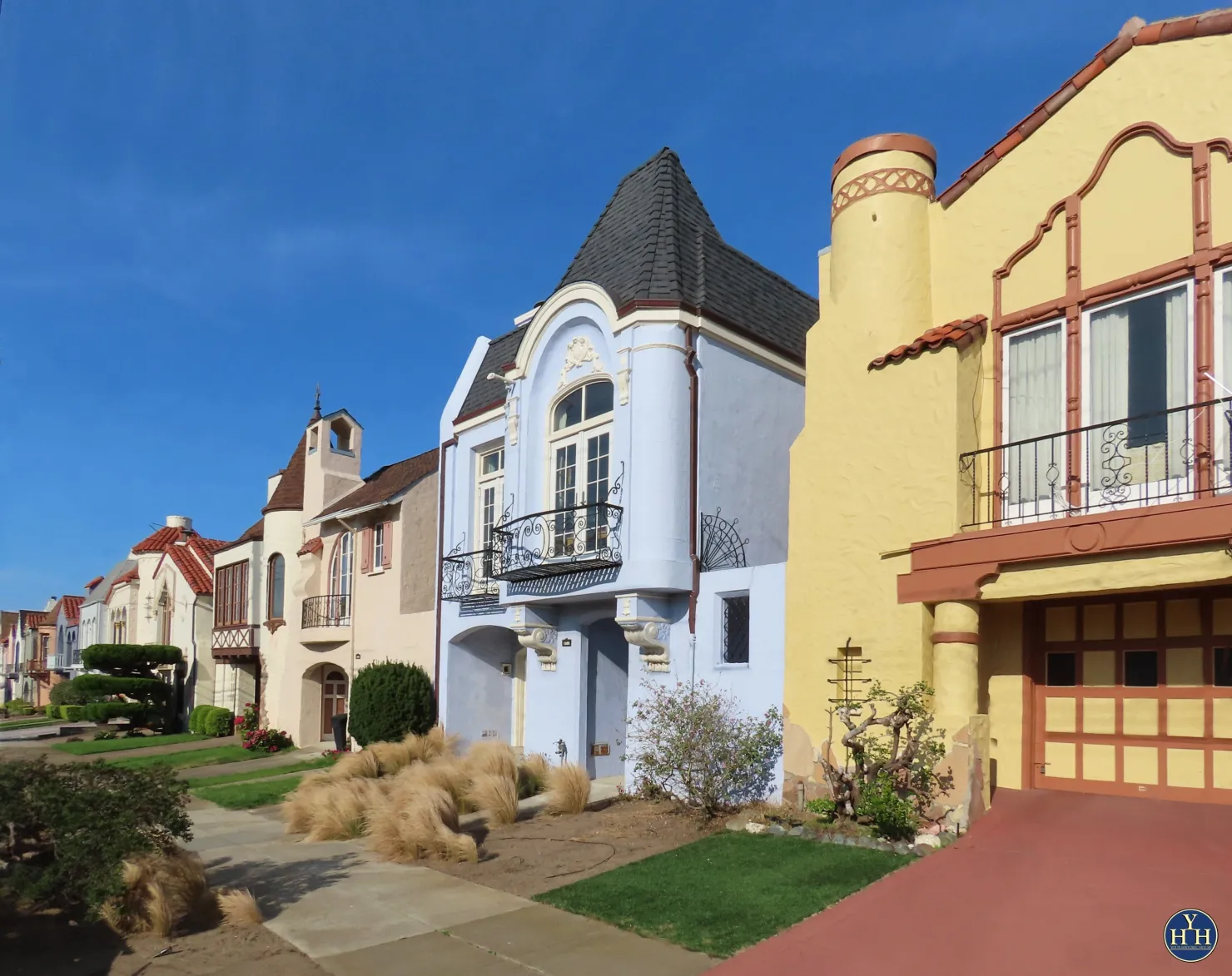
Stand on almost any block between 27th and 39th Avenues and you'll see it: house after house after house, the same bay window, the same garage tucked under the same living room, the same stucco face dressed up in a slightly different costume. Spanish here, Tudor there, a little Streamline Moderne if the block was feeling fancy. To the people who live there now, this is just what the Sunset looks like. The way it's always been.
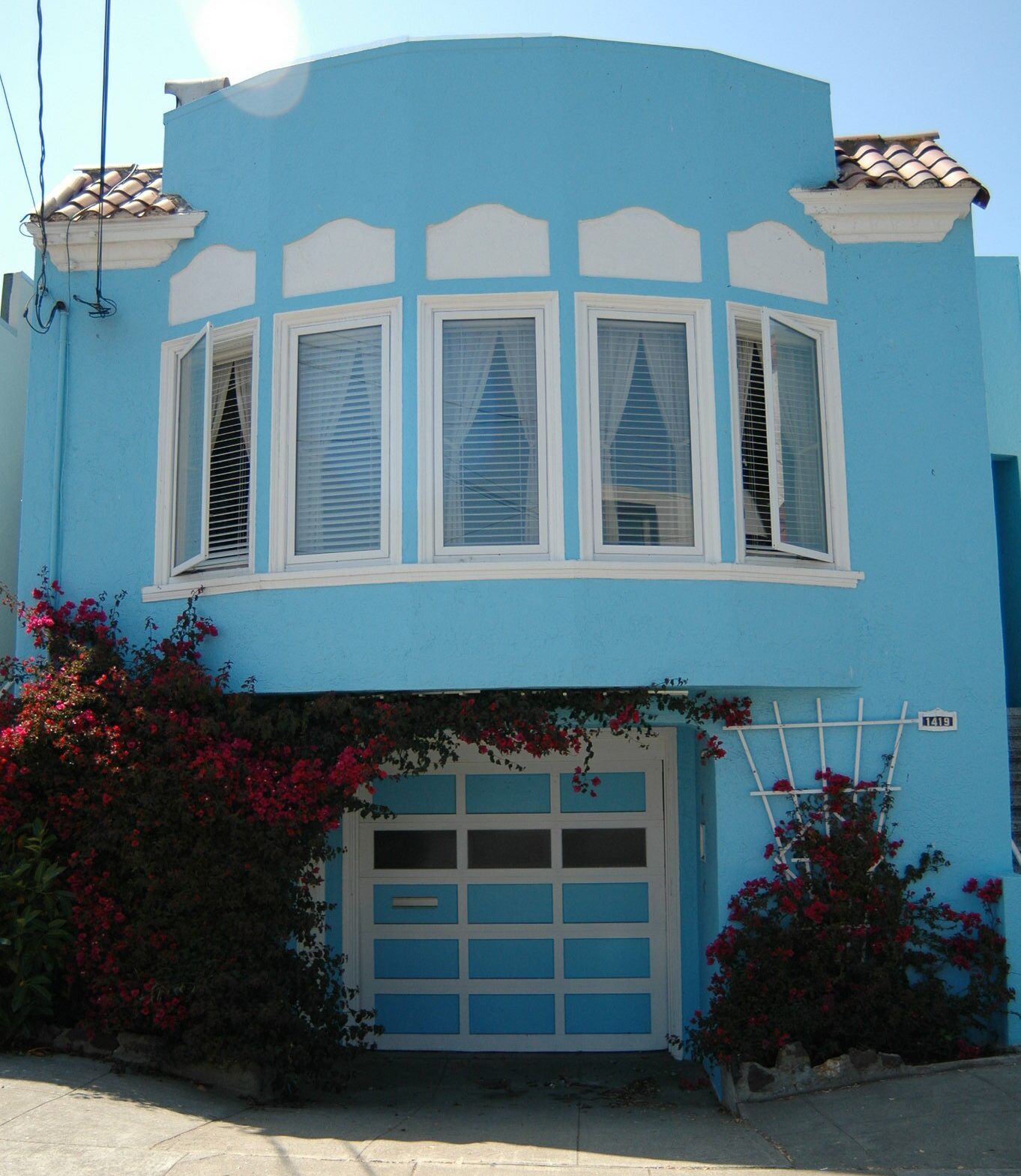
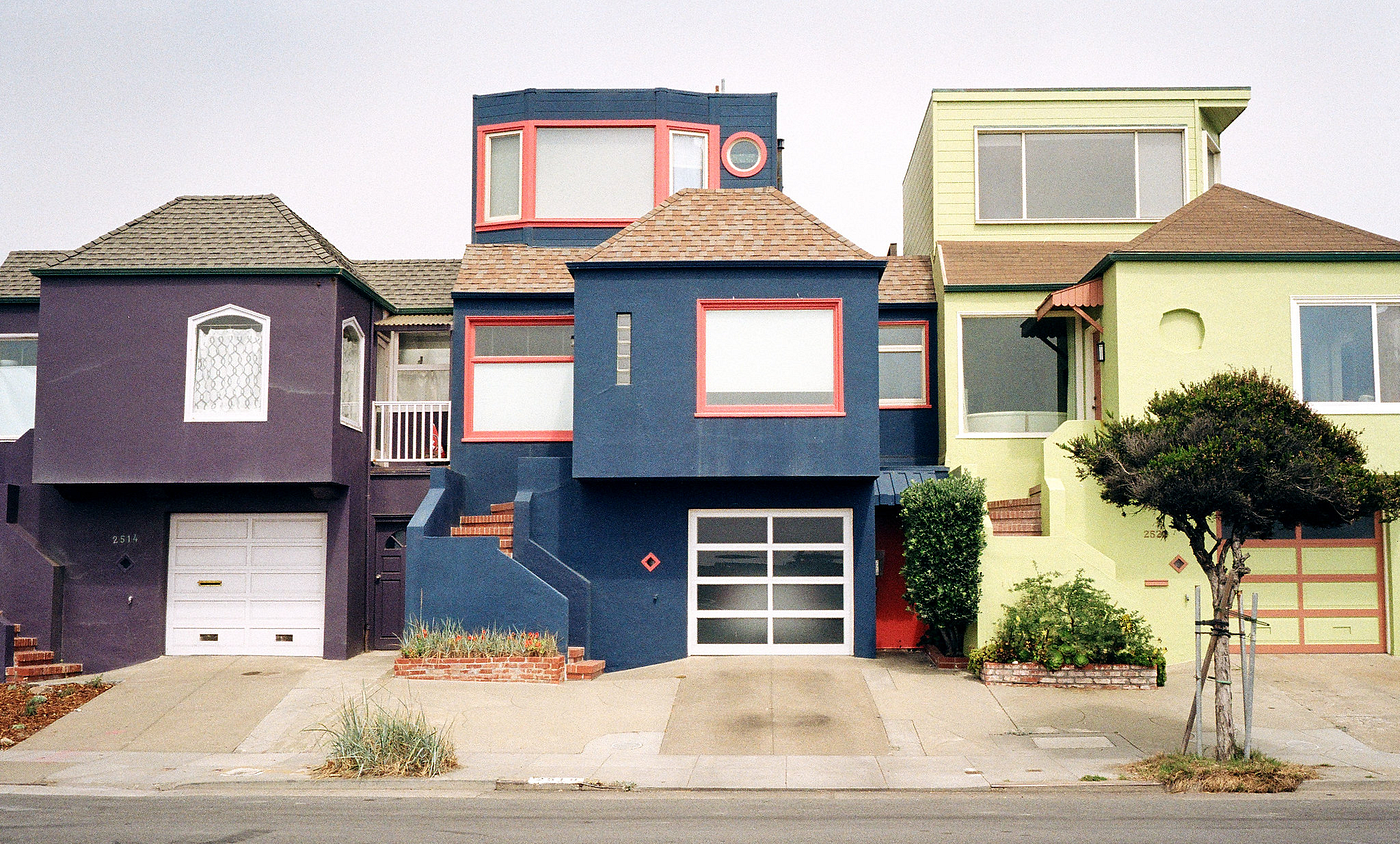
It hasn't always been. A hundred years ago this was sand. Fog-blasted dunes that maps labeled the "Outside Lands," reachable by almost no one.
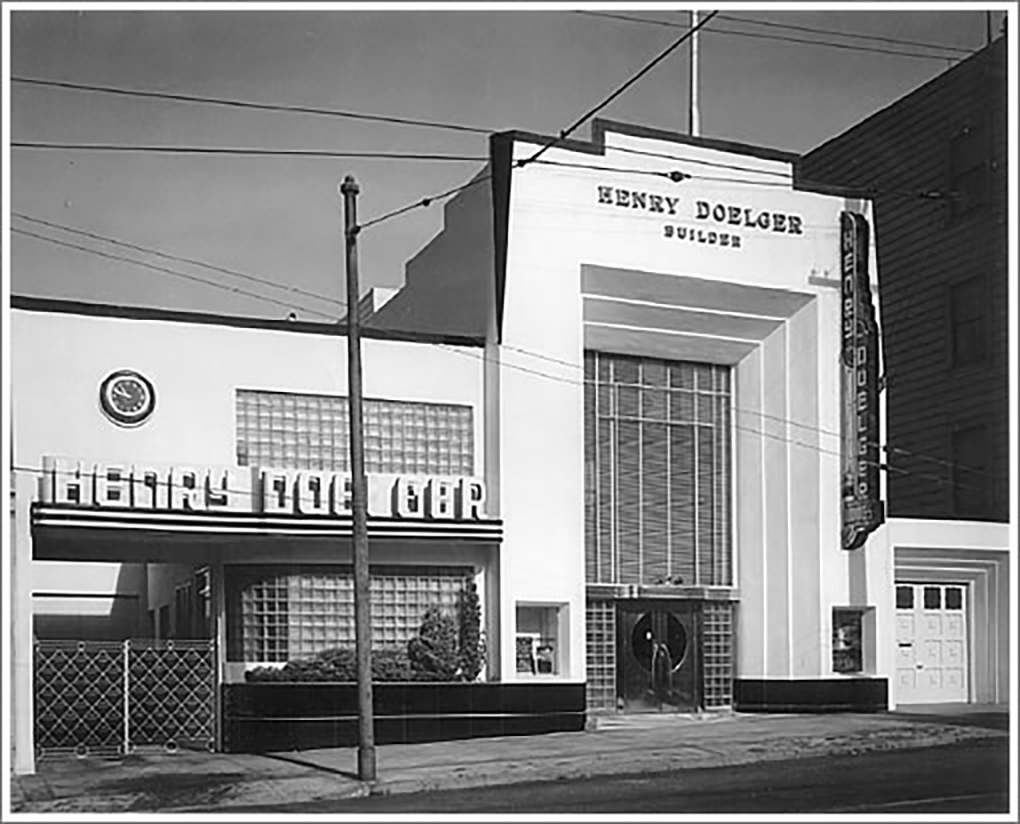
The neighborhood that feels so permanent today was, in its moment, one of the most aggressive building sprees the city had ever seen, and most of it came out of the head of a man who never finished the eighth grade. His name was Henry Doelger, and he built much of the Sunset we know and love today.
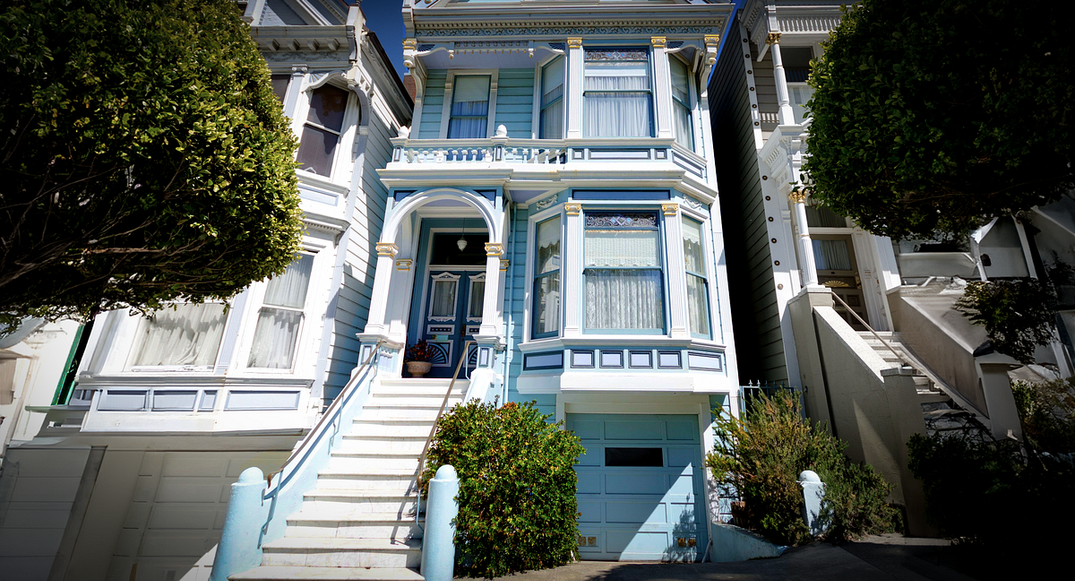
As a city we're known broadly for our Victorians, the Painted Ladies that line Steiner Street along Alamo Square. They stand in rows and clusters across the older eastern half of the city, in Pacific Heights and the Haight, the Mission and Noe Valley, the Castro and Bernal. These homes started popping up in the decades after the 1849 Gold Rush, when San Francisco was still a city of horses and carriages just learning to haul itself up its hills by cable car.
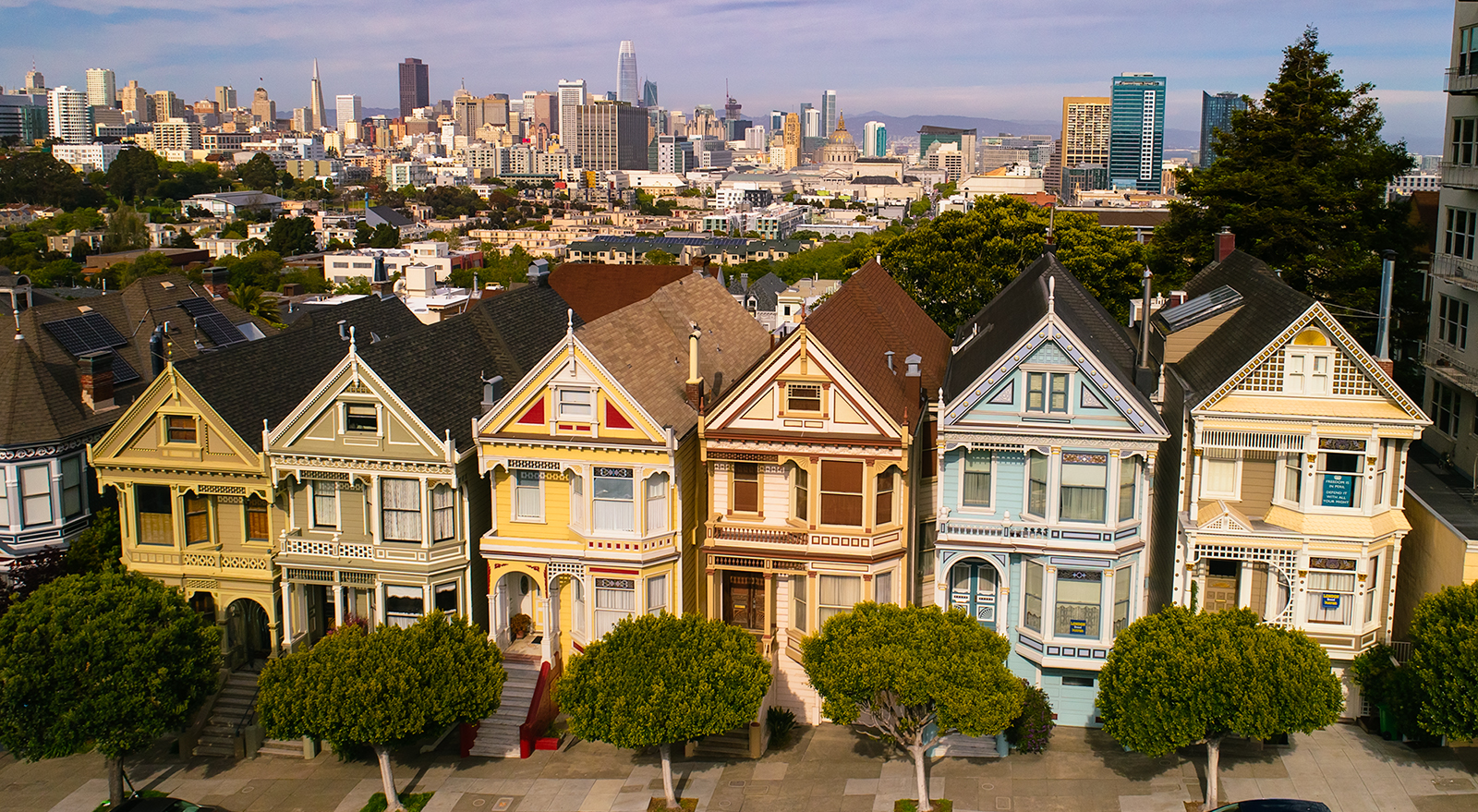
But we as San Franciscans also know the avenues, the pastel whimsy out west that is every bit as charming, and just as unshakable in our love of that side of the city.
The pastel rows we read as neighborhood character were a production line in their day. Doelger borrowed Henry Ford's assembly line and pointed it at the dunes, and from 1934 to 1941 he was the largest homebuilder in the country, putting up two stucco houses a day on the same narrow 25-foot lots the Victorians had used, with the same good redwood bones underneath. The disguise had just moved to the outside: where the Victorians ordered milled gingerbread from catalogs, Doelger swapped facades like outfits, and he gave his identical floor plans cute names like the "Rainbow House" and the "Styleocrat" so a buyer wouldn't notice he'd built a hundred of each.
By the end he'd stamped out around 25,000 of them, most of them in the Sunset, and the Chronicle was calling him "the poor man's Frank Lloyd Wright."
To me, Doelger was a YIMBY, which is a term I had not heard until moving to San Francisco. As anyone getting my email already knows, it means "Yes In My Backyard," a divisive term representing a cohort of the real-estate minded who want to grow housing in San Francisco, and beyond.
I am not a YIMBY. I'm also not a NIMBY, "Not In My Backyard," the camp that meets any new building like an intruder. I can hold two thoughts at once: that we badly need housing, and that I don't fully trust the people most eager to provide it. The history of Sunset sat with me for more than a year, and it was reignited this morning by Curious Connie, a new-ish influencer who mostly vlogs about daytime raves and parties. Last week though she got into it about Sunset Dunes.
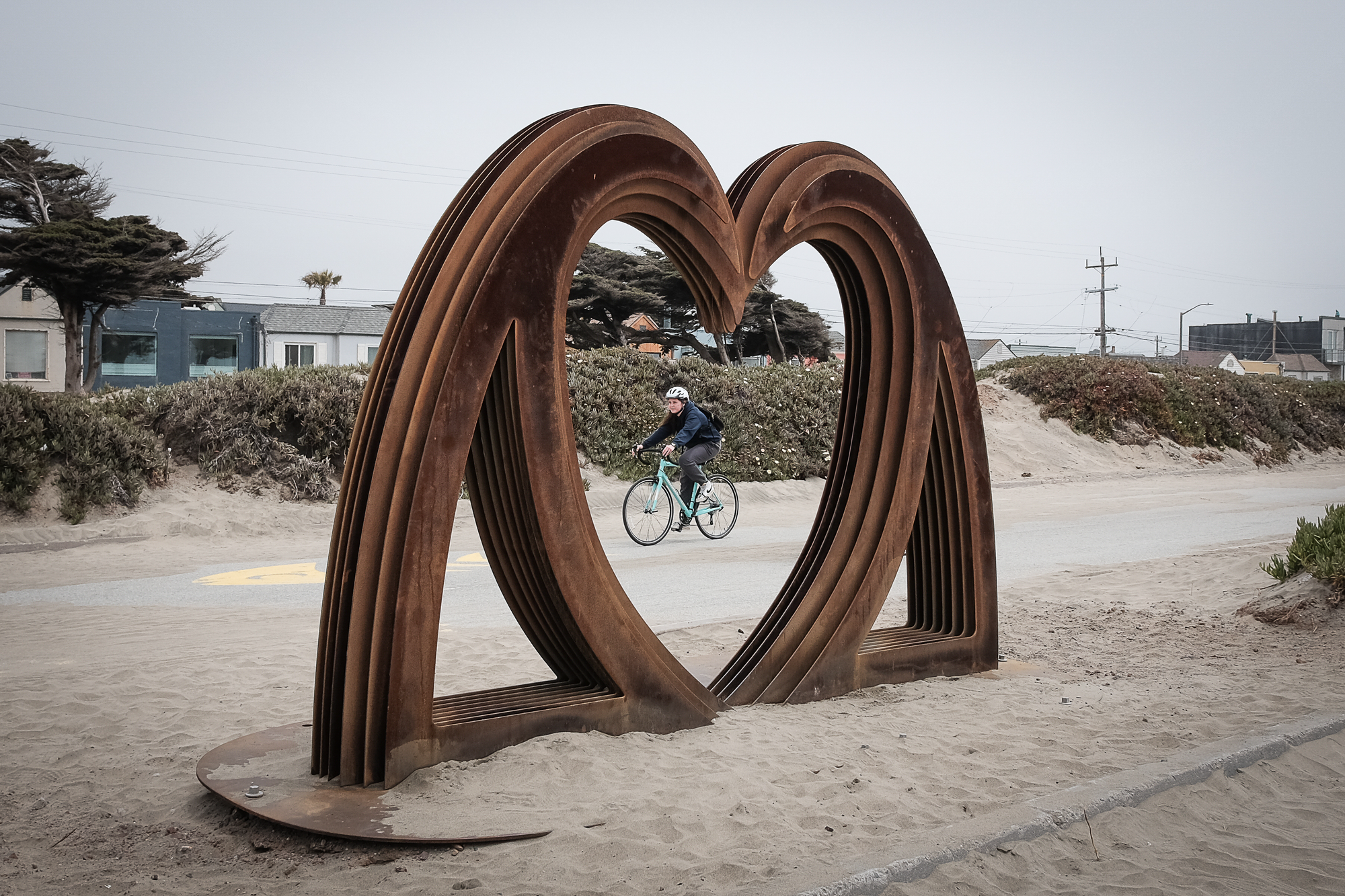
Sunset Dunes opened April 12, 2025, as the largest pedestrianization project in California history, a 2-mile, roughly 50-acre park running from Sloat Boulevard up to Lincoln Way along Ocean Beach. Functionally it converted about 17 acres of former roadway into separated walking and cycling paths, with the coastal side meant for slower speeds and the inland side for faster movement.
We have seen in the initial build-out a skate space, a bike skills course and pump track, outdoor fitness equipment, a Nature Exploration Area for kids, and lounge spaces with chairs, hammocks, and elevated seating for ocean views. On the art side, there's been a large octopus sculpture and a number of murals scattered along the route. Today I learned of another activation called Ocean Calling, a phone booth at the end of Ortega Street that invites you to speak words of love, grief, and remembrance to dead loved ones.
The phone is not connected to a landline, but "you join an interconnected web of people who have made and received calls," according to its website.
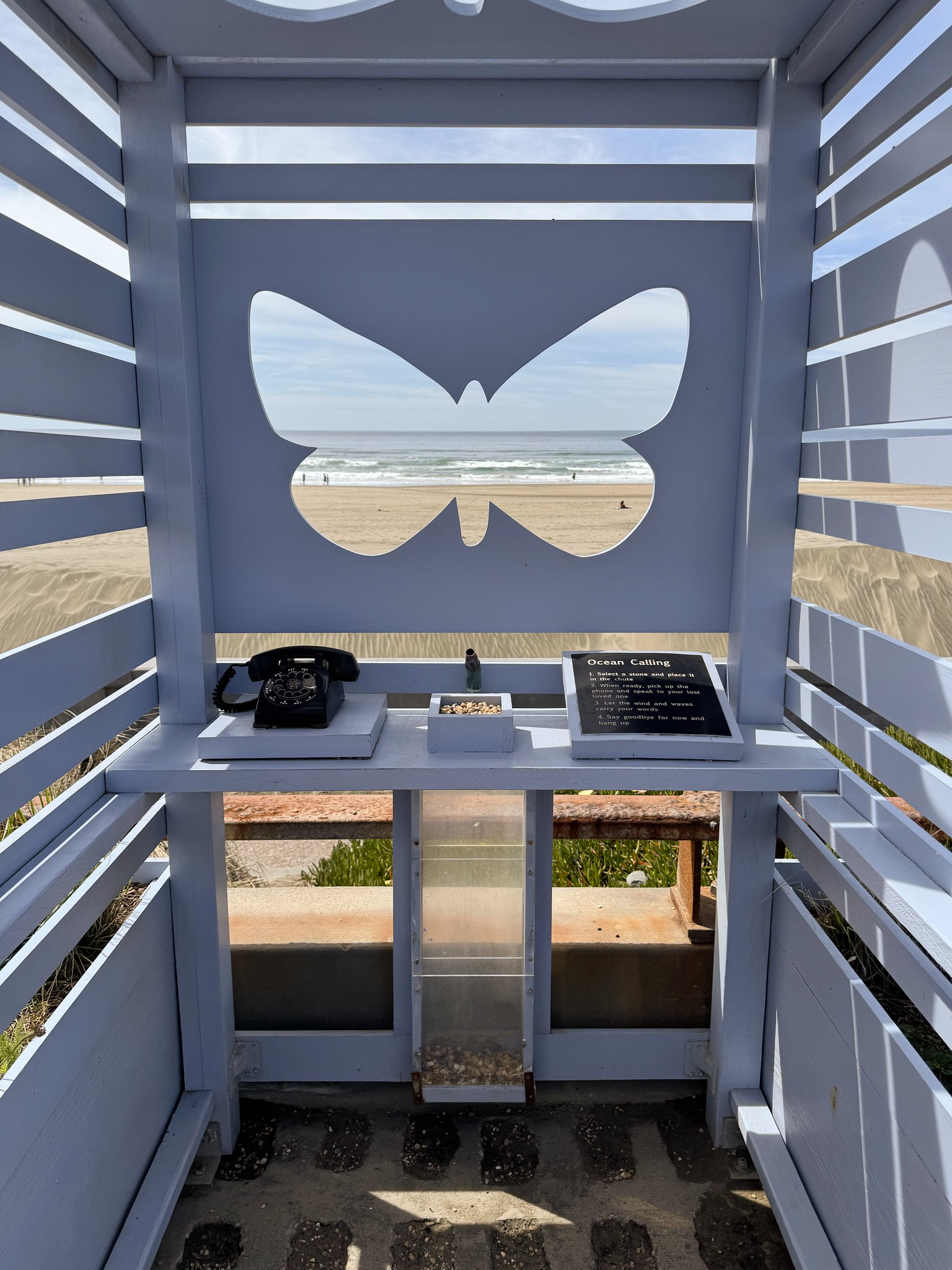
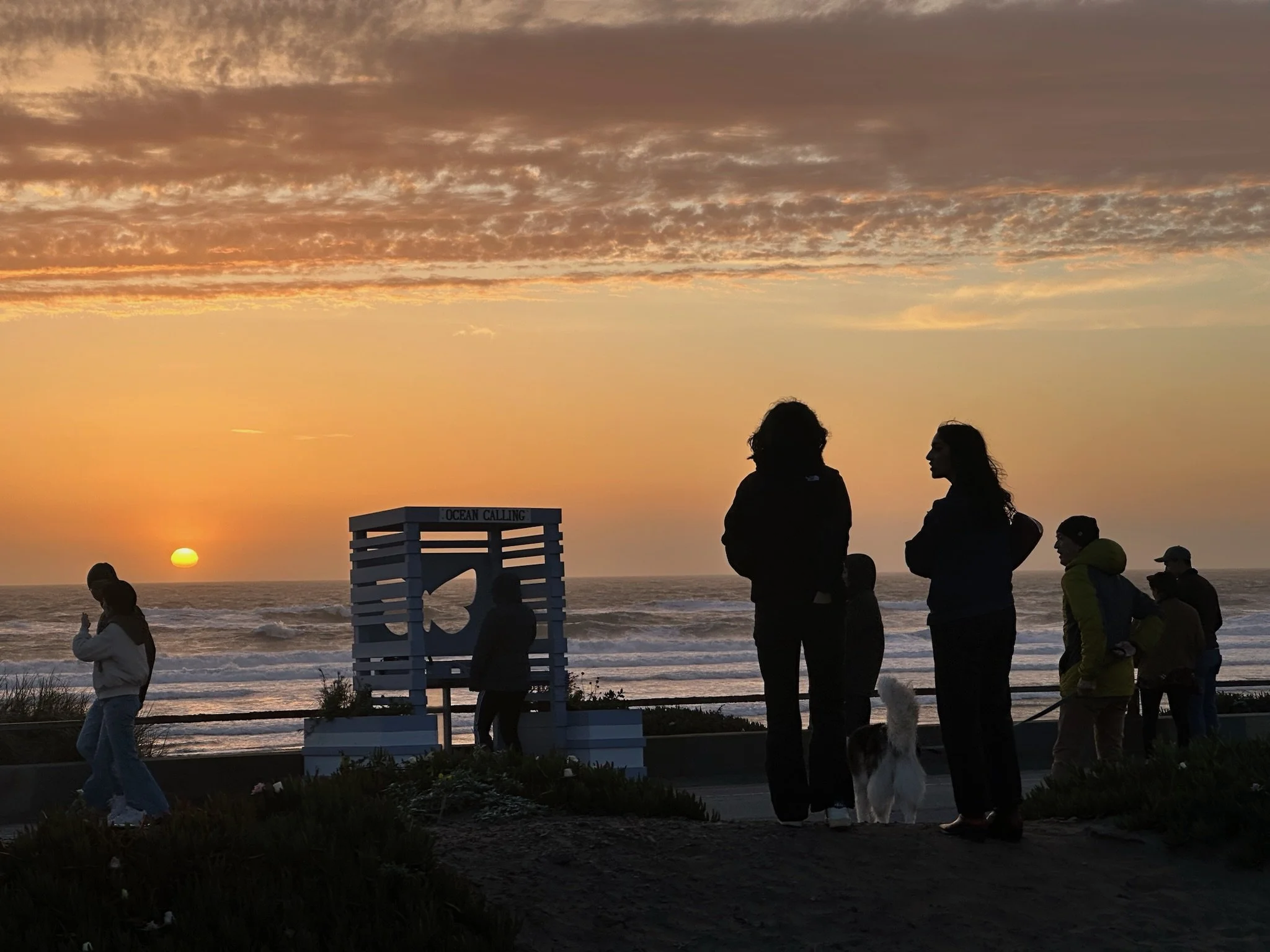
Personally I love activations like this, the same way I love seeing the transformation on John F. Kennedy Drive into JFK Promenade. The central road through Golden Gate Park has been closed to cars on Sundays since 1967, a habit that started during the Summer of Love and never really went away. When the pandemic arrived in 2020, the city closed the eastern stretch to cars seven days a week.
Now there's public pianos out for anyone to play, and street murals painted right onto the route by local artists, plus rest stops, lawn games, and live music. The art rotates, right now with ten oversized galvanized-steel sculptures shaped like jacks sitting near the LOVE blocks.
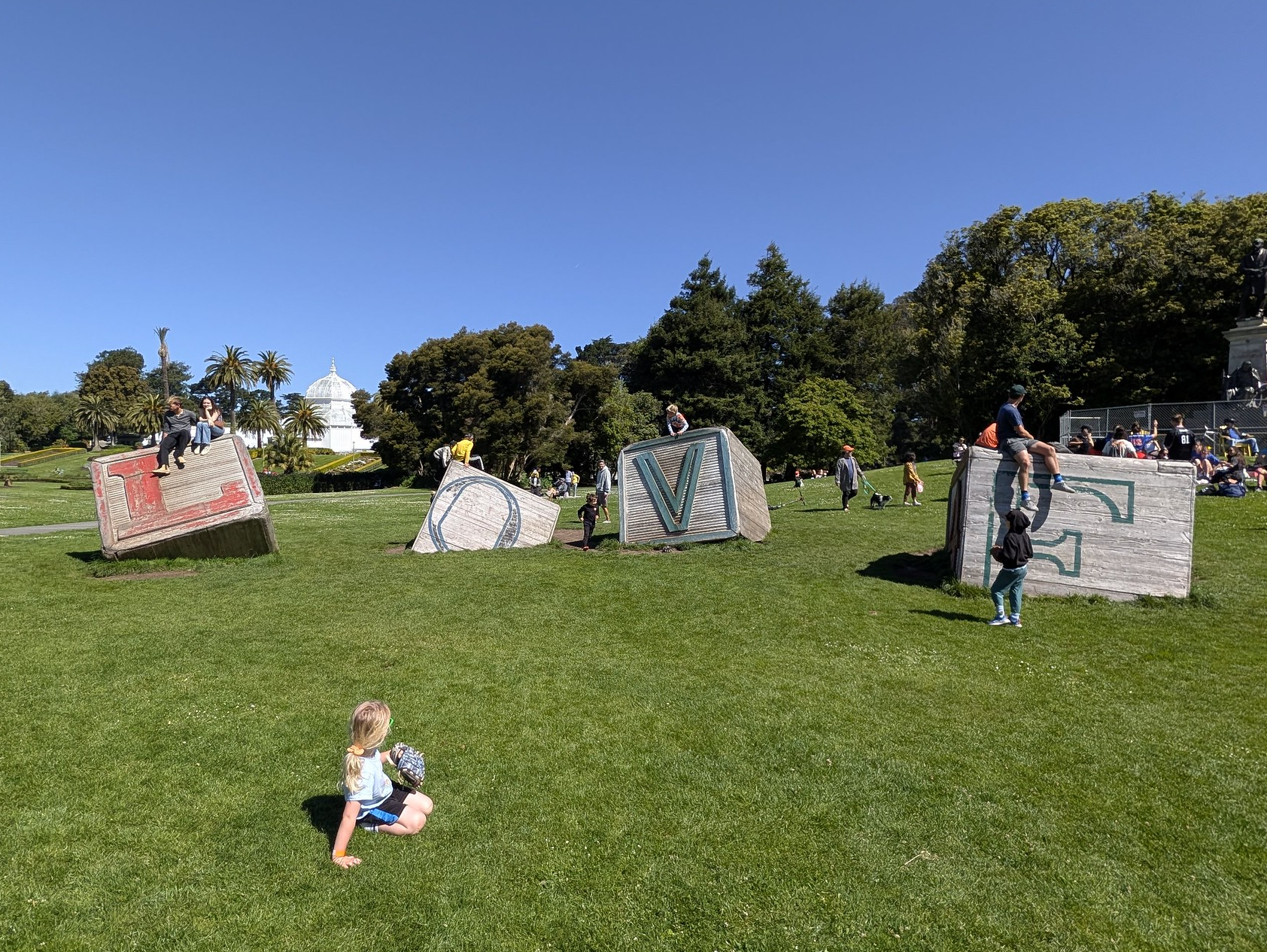
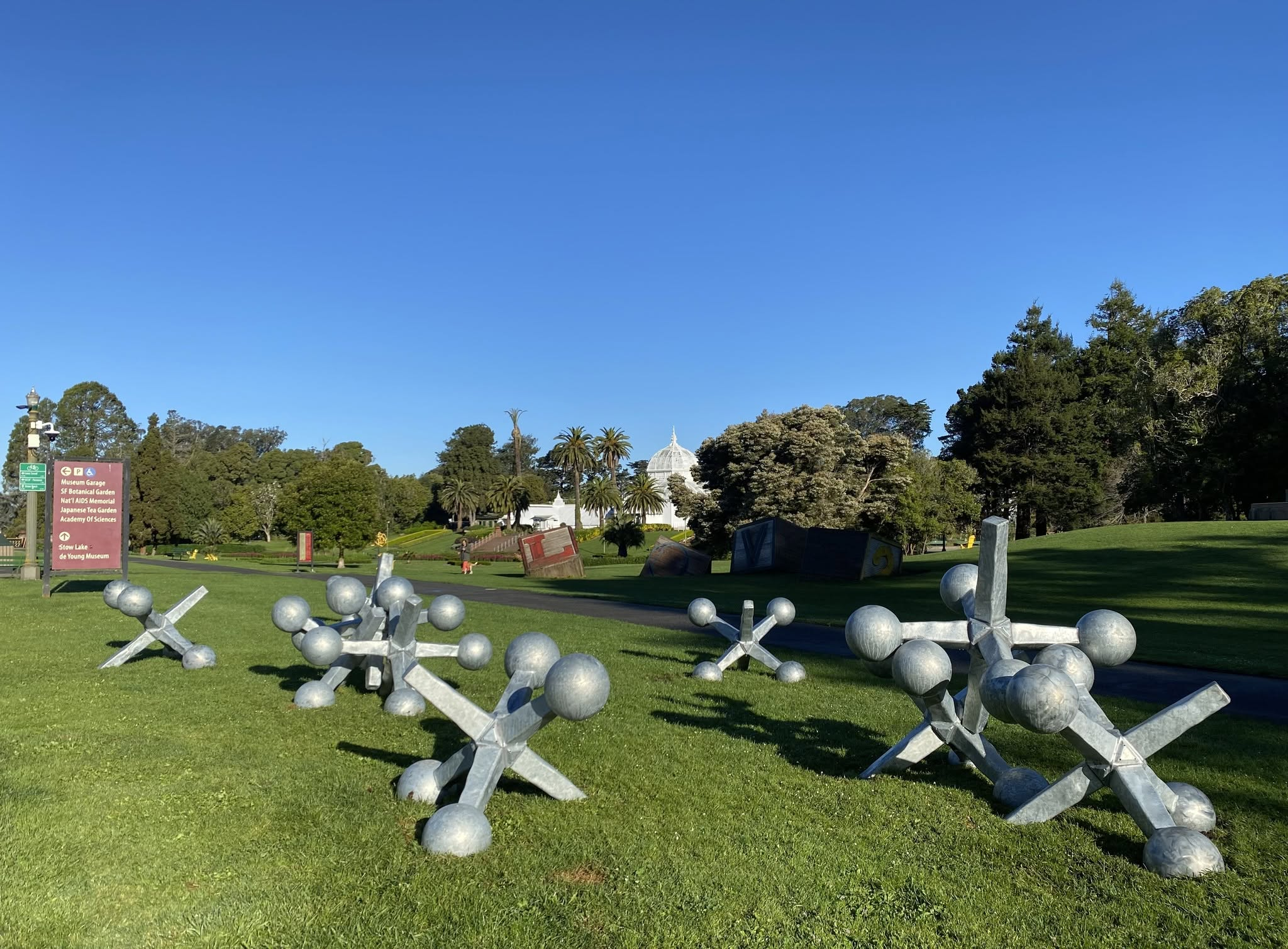
I moved to Central Sunset in 2010 and lived there for 15 years. At first I lived along stretches of Noriega, and then my rent-controlled apartment at 18th and Irving became my longest residence of my adult life. When my boyfriend and I decided to buy a home last year, we wanted to pick the Sunset. But no longer was it the uncool place in the middle of nowhere that no San Franciscan would visit. Now it's where tech money with pre-IPO stock at OpenAI and Anthropic outbid each other in crazy frenzies, all for these once working-class homes. We feel really lucky to have found a townhouse in Forest Hill right before the current boom.
I get the desire to leave untouched something so beautiful and cozy. Other than the new parks, the only changes I ever see in the Sunset are business-related. (Farewell, Lemonade, Pluto's, La Boulange, that brief espresso shop that's now a Yummy Dumpling, the Chinese restaurant that's now a Hot Pot.) But also, without pioneering efforts by those wanting these amazing slices of life, we wouldn't have community spaces that now exist in Golden Gate Park and along our beach.
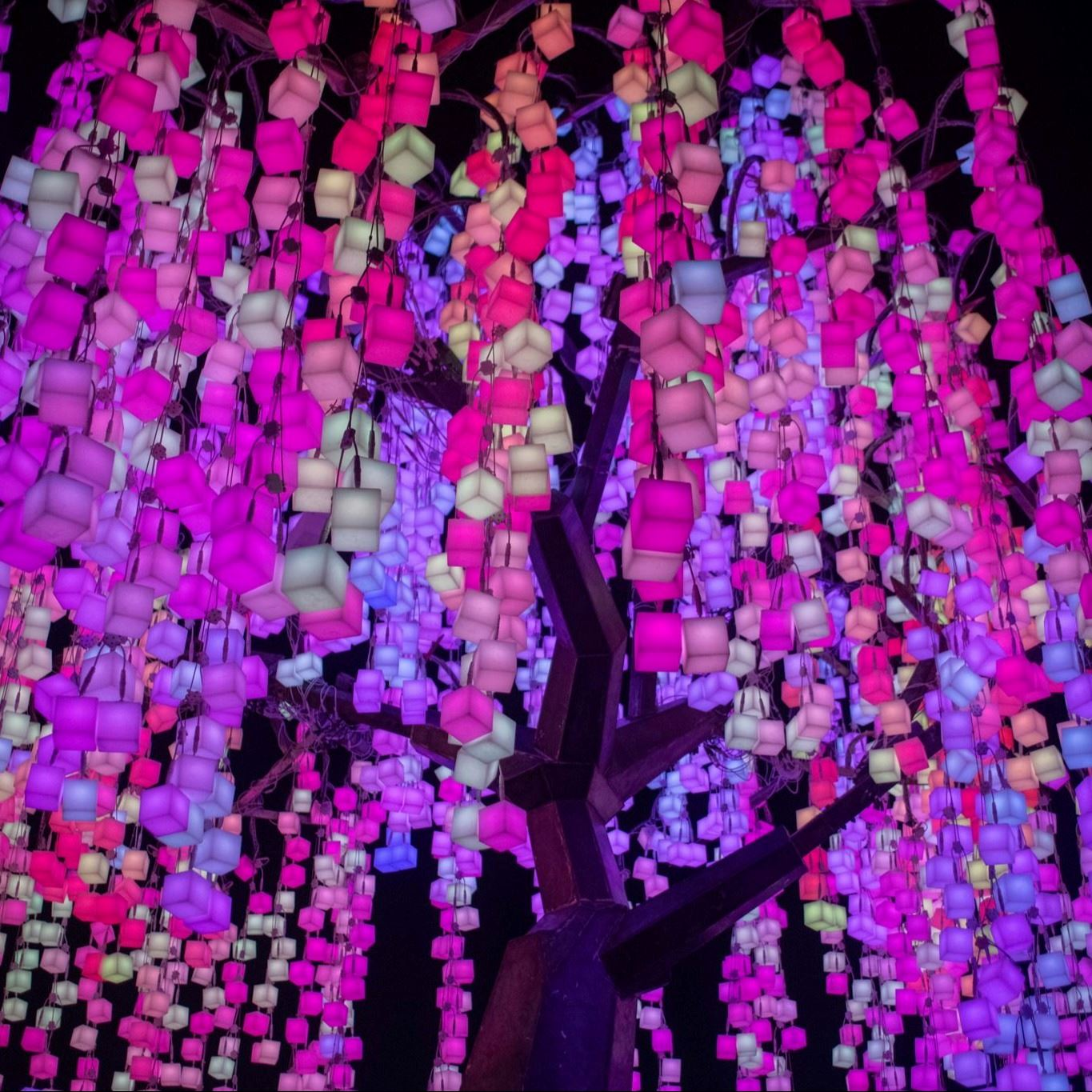
"Losing a commute feels scary and gaining a park feels abstract," Connie said in her video. "... People prefer the current state of things over change, even when the change would objectively benefit them."
None of this settles the argument over the park, and I'm not intending it to. But it's hard not to notice the loop. The neighborhood that so often feels changeless was itself the disruptive change once, a sea of stucco poured over wild dunes at two houses a day by a man who would absolutely have been branded an aggressive developer in any era you care to name.
The houses will probably outlast all of us. I hope these parks will, too.
Saul Sugarman is editor-in-chief and owner of The Bold Italic.
The Bold Italic is a not-for-profit media organization, and we publish first-person perspectives about San Francisco and the Bay Area. We operate under a fiscal sponsorship of a 501(c)(3).
You can become a paid subscriber. Or donate. Or learn more about us.
Pride with The Bold Italic x SF Symphony
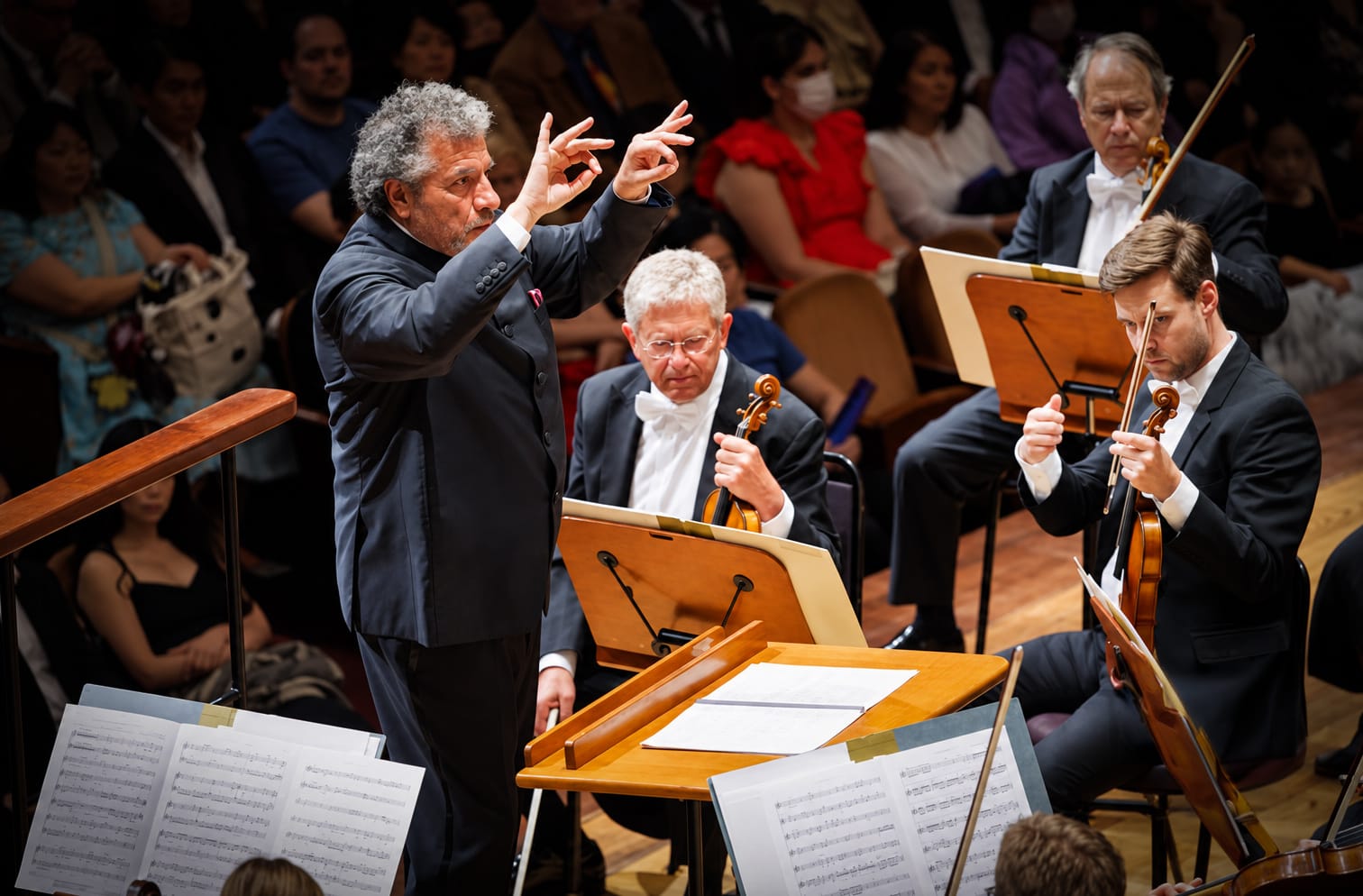
If you've not yet seen, The Bold Italic has partnered with SF Symphony to give a lovely 25 percent off an upcoming performance on June 18th. It's in celebration of Michael Tilson Thomas, a queer icon who directed the symphony for a quarter century.
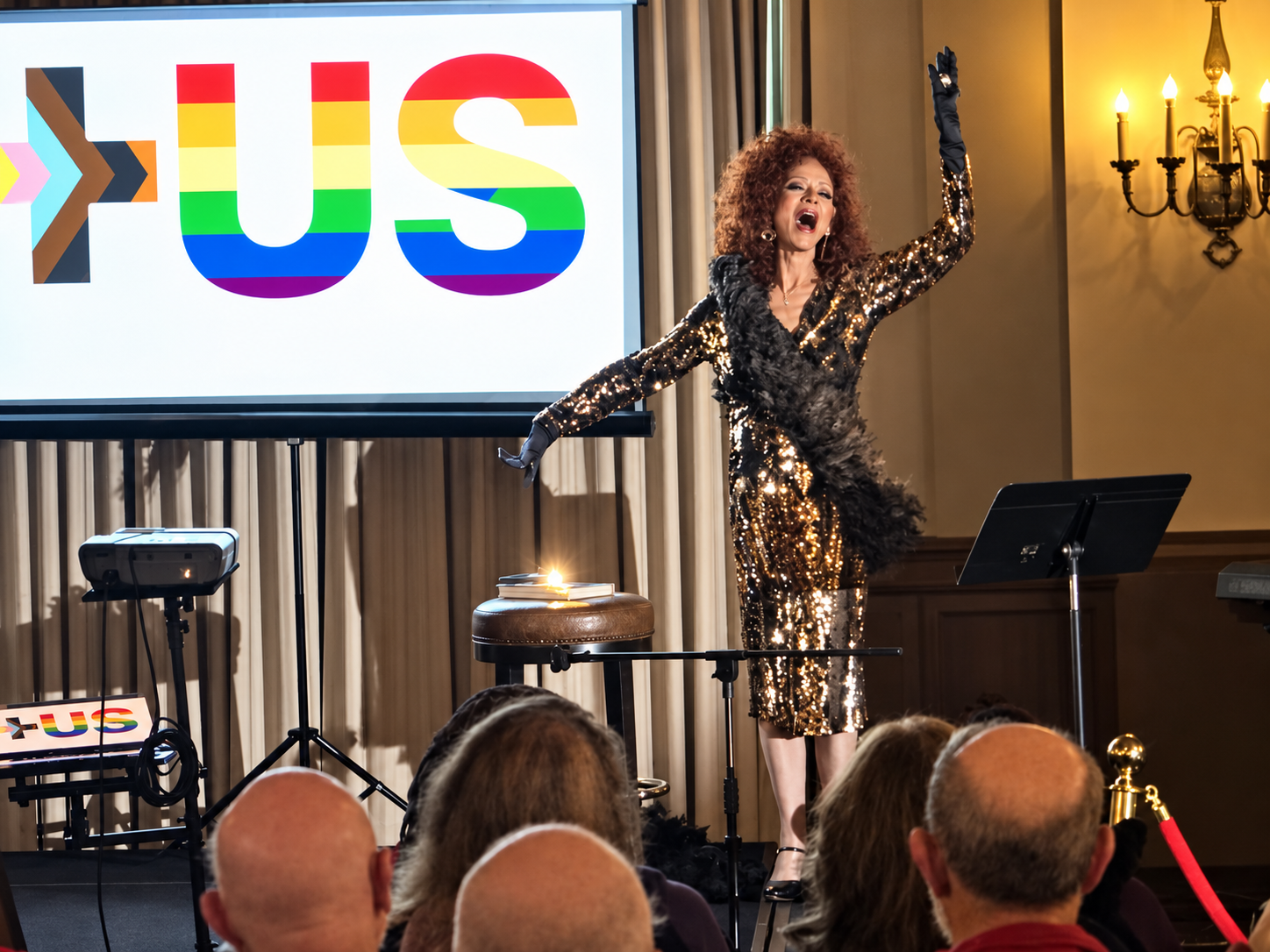
I'm now adding to that a Pride-themed after party at The Academy the same night, June 18th. The After Party begins after the concert, at 9:15 p.m. to 11:30 p.m. You're totally invited to just attend that, if you like. And paying subscribers will be getting an email from me shortly with a promo code to attend the After Party for free.
If you're already going to the performance, just show us your ticket that night to get into the after party for free, too. This event is totally sponsored by SF Symphony, so I've committed a generous $$ toward some free drinks while they last.
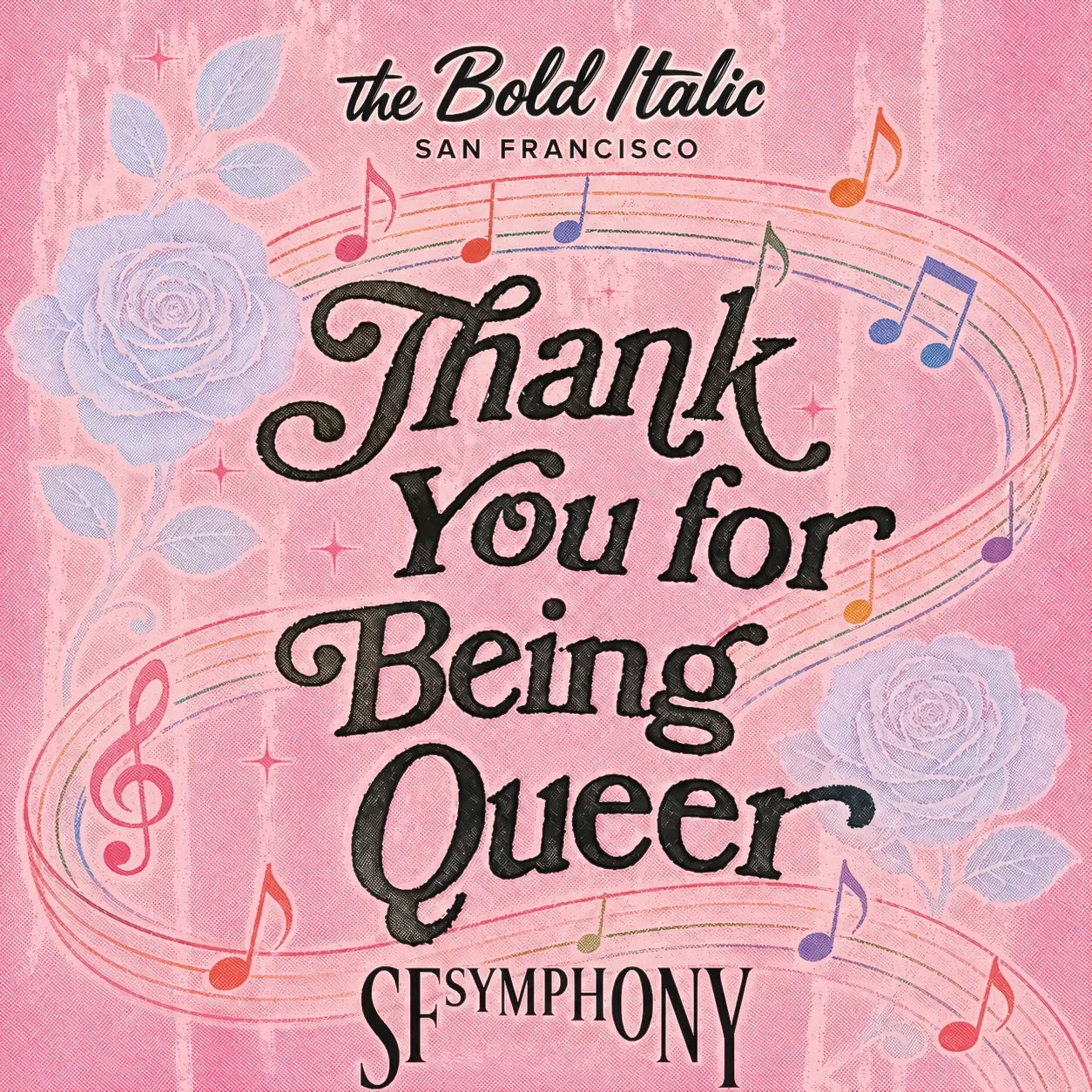
After Party tickets are just $10 or $27, with the latter getting you a drink with purchase. My friend DJ P3tunia is spinning, and this is in fact our third event together. We met when she organized a Pride fashion show at Swedish American Hall in 2022. Then, in 2023, we co-organized a Queer Prom at The Chapel with freaking Peaches Christ hosting.
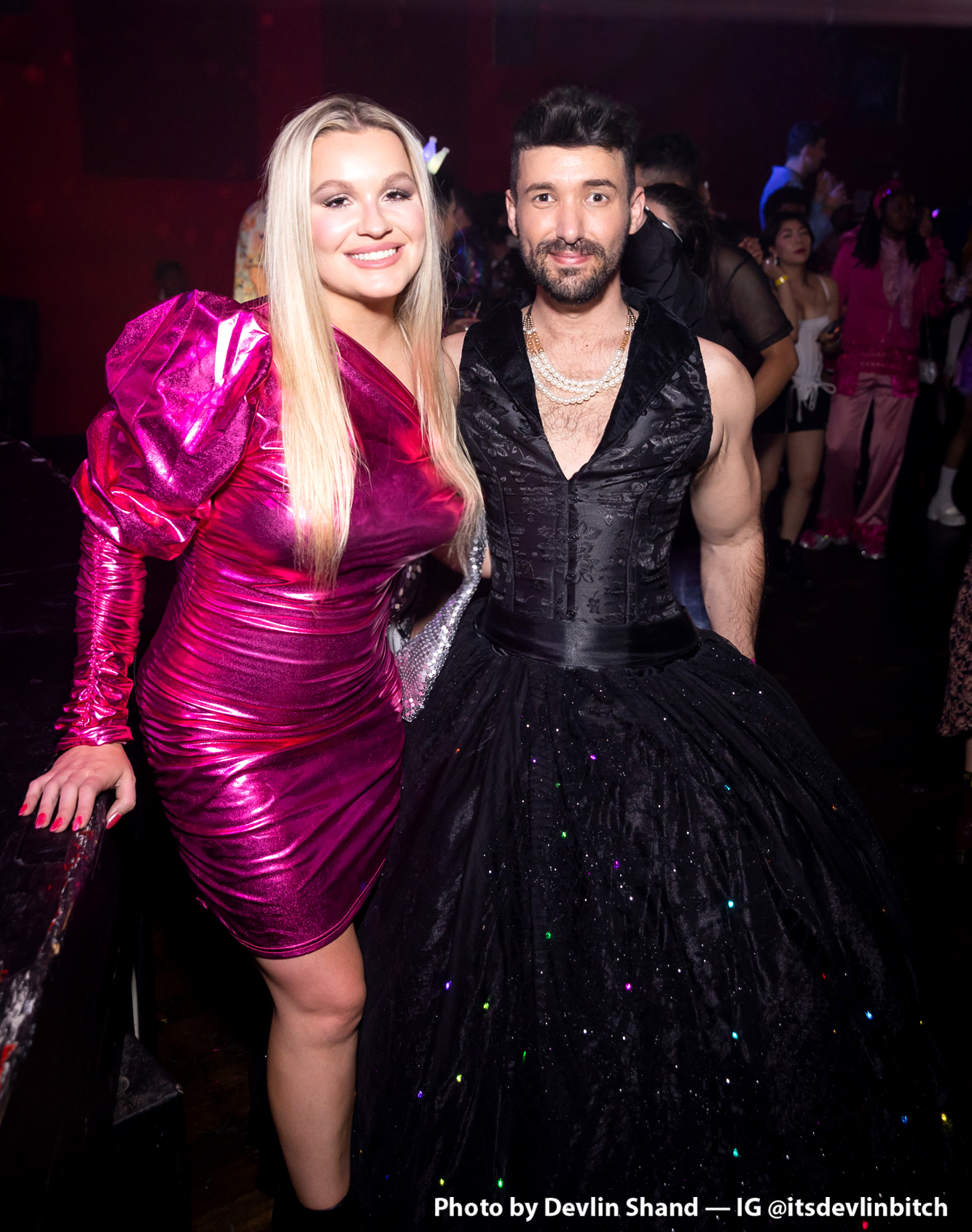
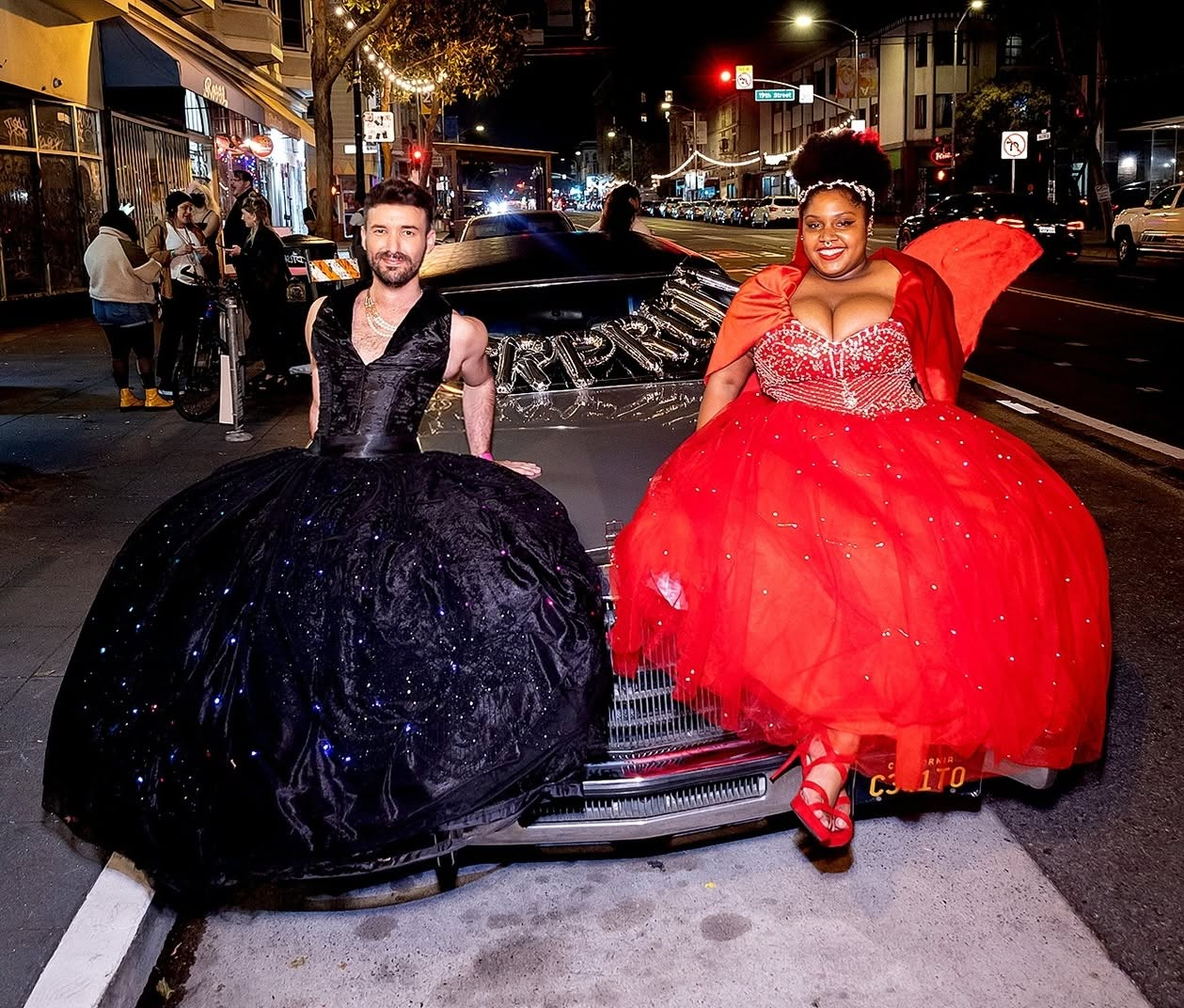
I am always indebted to Katie as a friend and cultural tastemaker in the local LGBTQ+ community. I've recently been in grant raising mode for The Bold Italic, and I am grateful to show off these events to givers as the kind of work we'd like to do more of.
She'd also love if I plugged her other project, Broadway Bares. 😊
Broadway Bares at Castro Theatre
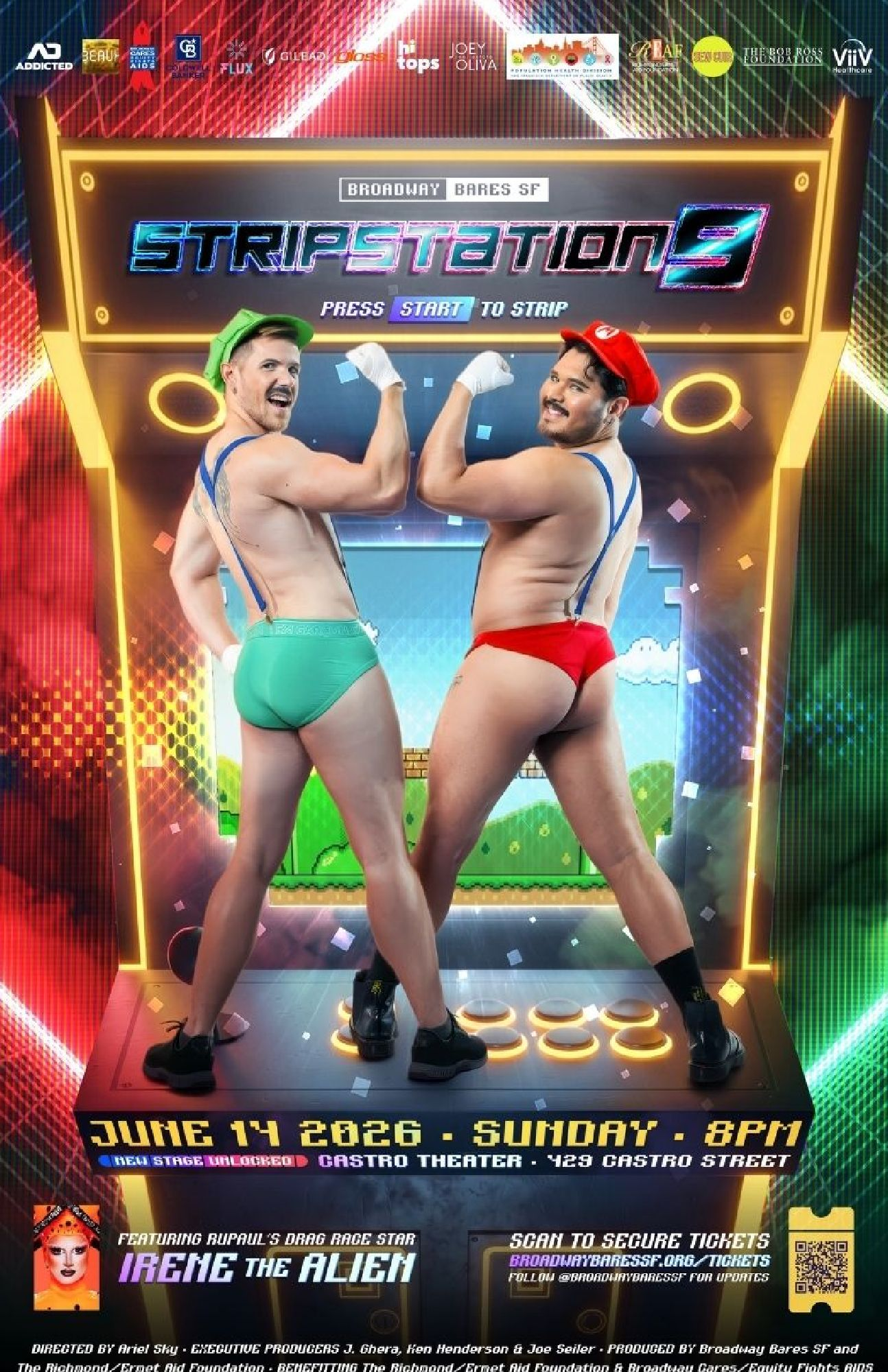
San Francisco's cheekiest charity spectacular is hitting the continue screen. Broadway Bares SF returns to the Castro Theatre with StripStation 9: Press Start to Strip!, a video game-inspired night of burlesque where the city's most talented performers transform beloved characters and pixelated worlds into bold, playful striptease numbers. Think final bosses, power-ups, and a whole lot less armor.
When: Sunday, June 14, 2026; doors at 7 p.m., show at 8 p.m. Where: The Castro Theatre, 429 Castro St. Tickets: $45 back balcony, $50 general admission, $75 front of stage, $150 VIP balcony seating.
Further reading
We've published a whole historical series on The Bold Italic called SF Throwbacks. Another one called I ❤️ San Francisco talks about our love of neighborhoods. Here's one about the Outer Sunset.
 T Von D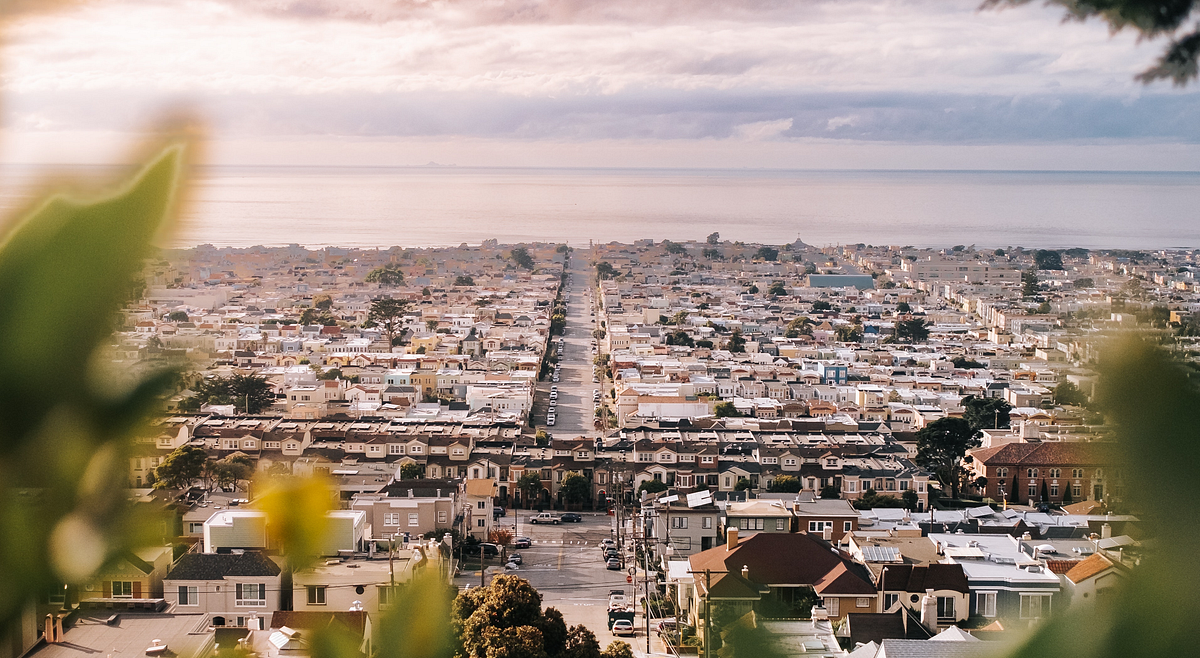
And I often will update older Bold Italic stories with departed businesses or old links. I haven't gotten to the following story, but here's one about the Inner Sunset, too.
 The Bold Italic