
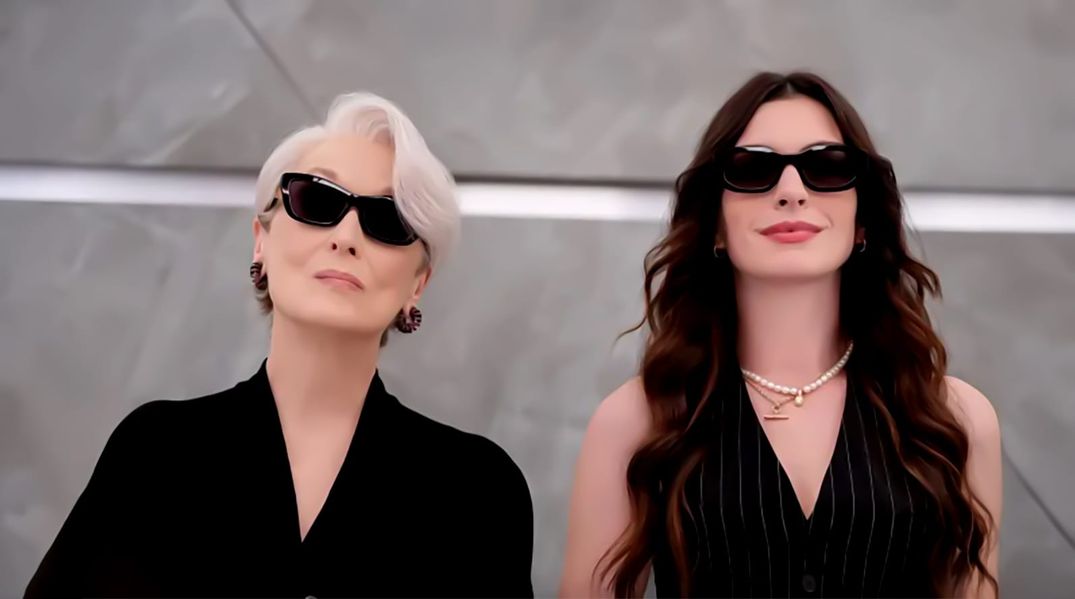
The original Devil Wears Prada understood a simple, savage truth: the devil should never explain herself. Miranda Priestly walked in, dropped her coat on a desk without breaking stride, and the whole room held its breath. The 2006 film, born from Lauren Weisberger's breezy 2003 novel, became a masterpiece partly because its monster was sphinx-like.
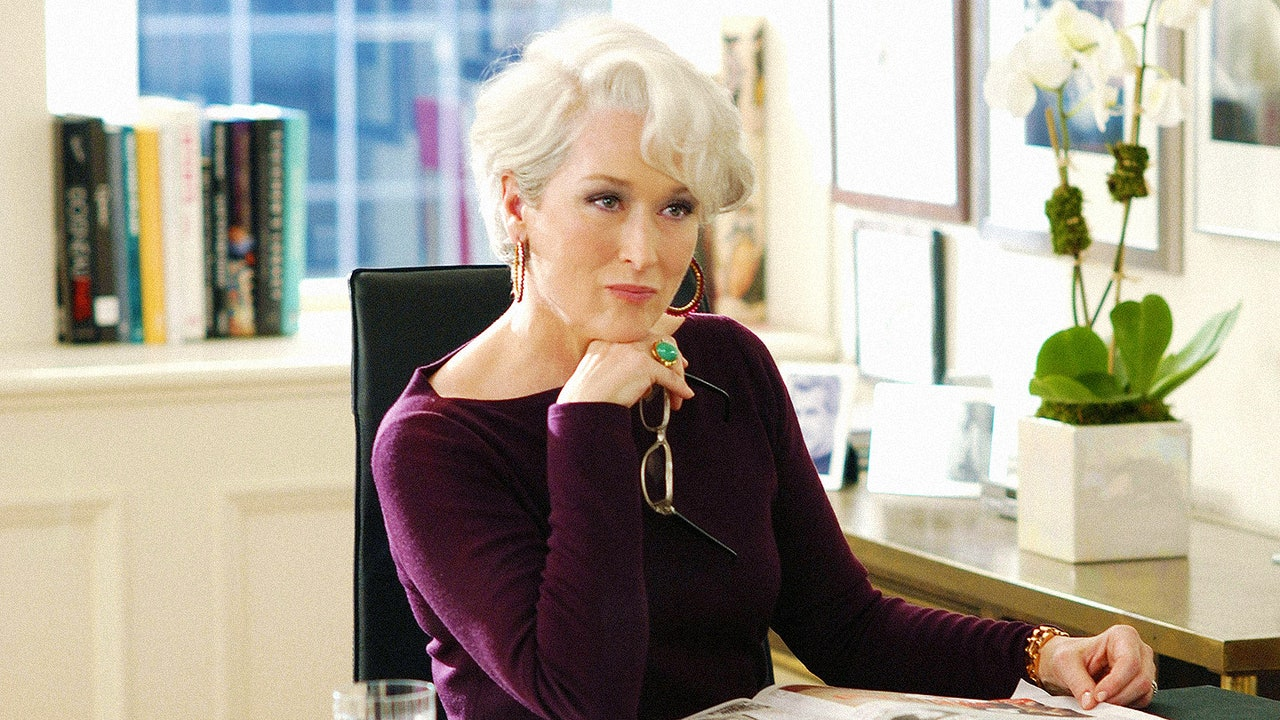
A sequel had every right to exist, this one just never earns the reunion. It strains to put these people back in a room, and the tension feels assigned rather than alive.
This film commits one original sin from which every other problem flows: it humanizes the devil. Now Miranda talks, and talks. She's vulnerable, angling for a promotion called global head of content (a job description that should make any sane person flee) while her regime crumbles and Runway scrambles to manage a story it shouldn't have run. Once you can see her sweat, the spell is broken.
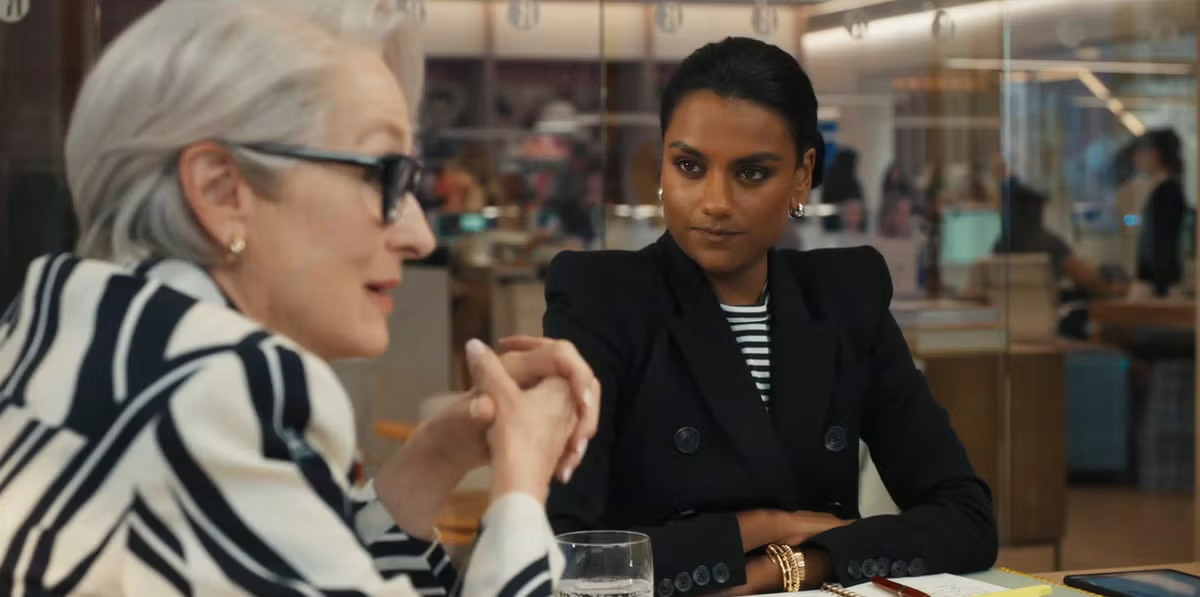
The film also wants to be good now, which is its own trap. Some of the updating is honest; the 2000s really were the last decade to sell us "nothing tastes as good as skinny feels" with a straight face. So we get a plus-size male assistant—very happy to see Caleb Hearon—and Simone Ashley as the secretary gently correcting Miranda's vocabulary. And a Miranda who keeps her coat to herself.
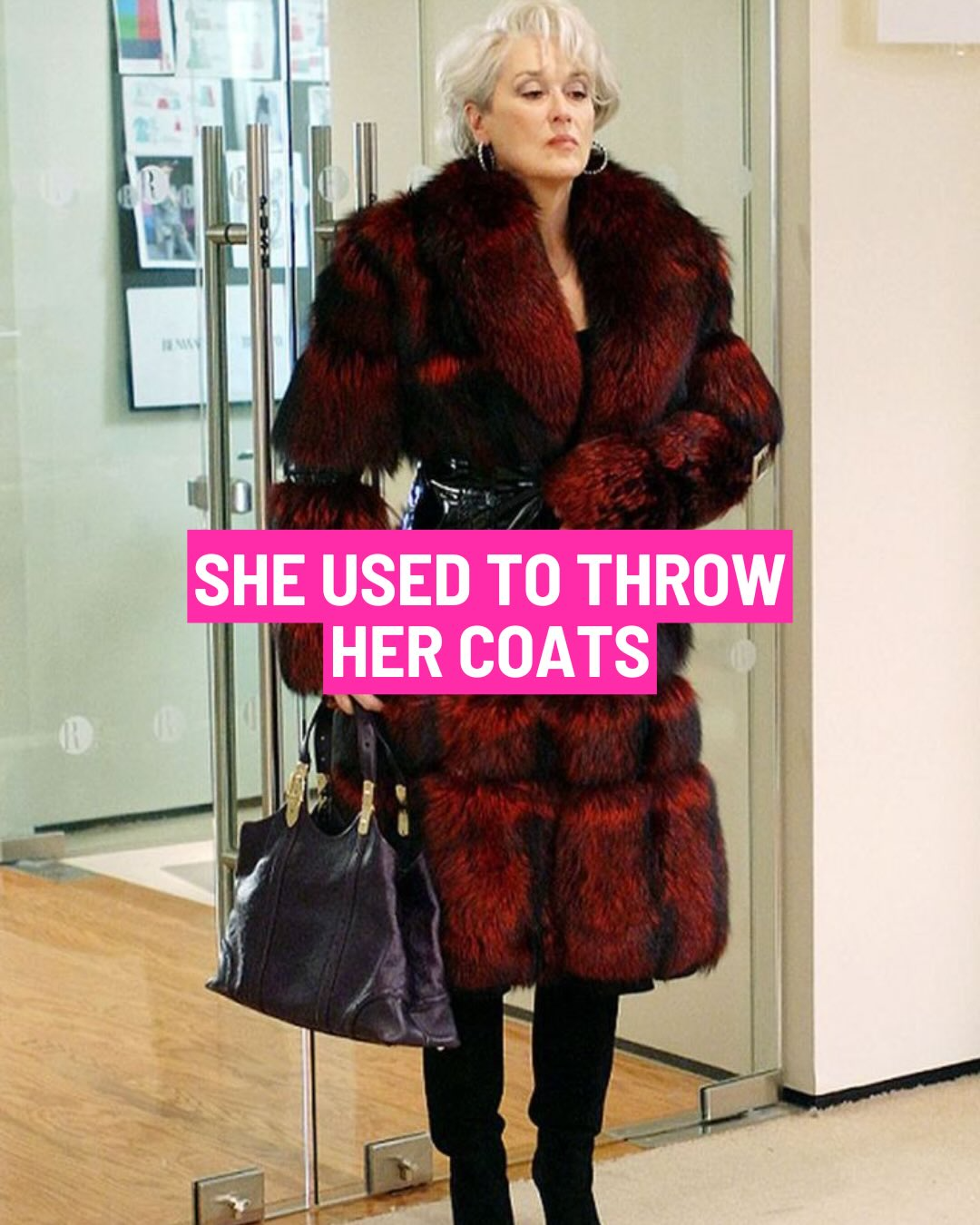
The trouble is that the first film's cruelty worked as satire precisely because no one in her orbit was actually heavy. The body terrorism was the joke's target, not Anne Hathaway's gorgeous face. Sanding that down doesn't make the film kinder to me. I'd wager the real-life Mirandas still fling the coat and still call at 3 a.m. and—yes, I bet—still say the cruel thing once the door clicks shut.
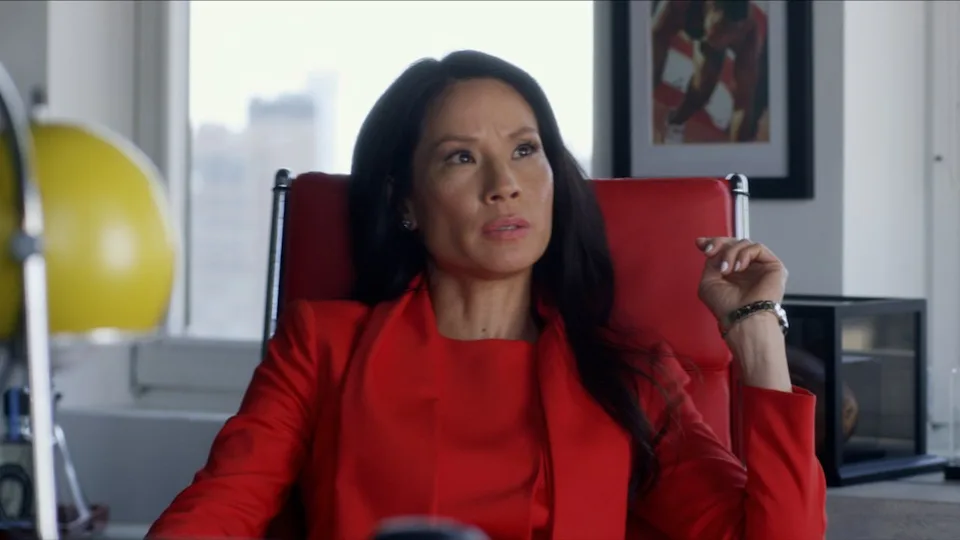
Then there's the "exclusive interview" plot, the Lucy Liu and MacKenzie-Bezos-of-it-all, built on a fantasy Oprah and Barbara Walters sold the public decades ago: that journalists ache for the celebrity get. We don't, mostly. Most celebrity interviews happen because a manager scheduled them. It's no sillier than Miranda demanding the unpublished Harry Potter in the original, except that fantasy I enjoyed because it could never happen. This one wants me to believe it's how the sausage gets made.
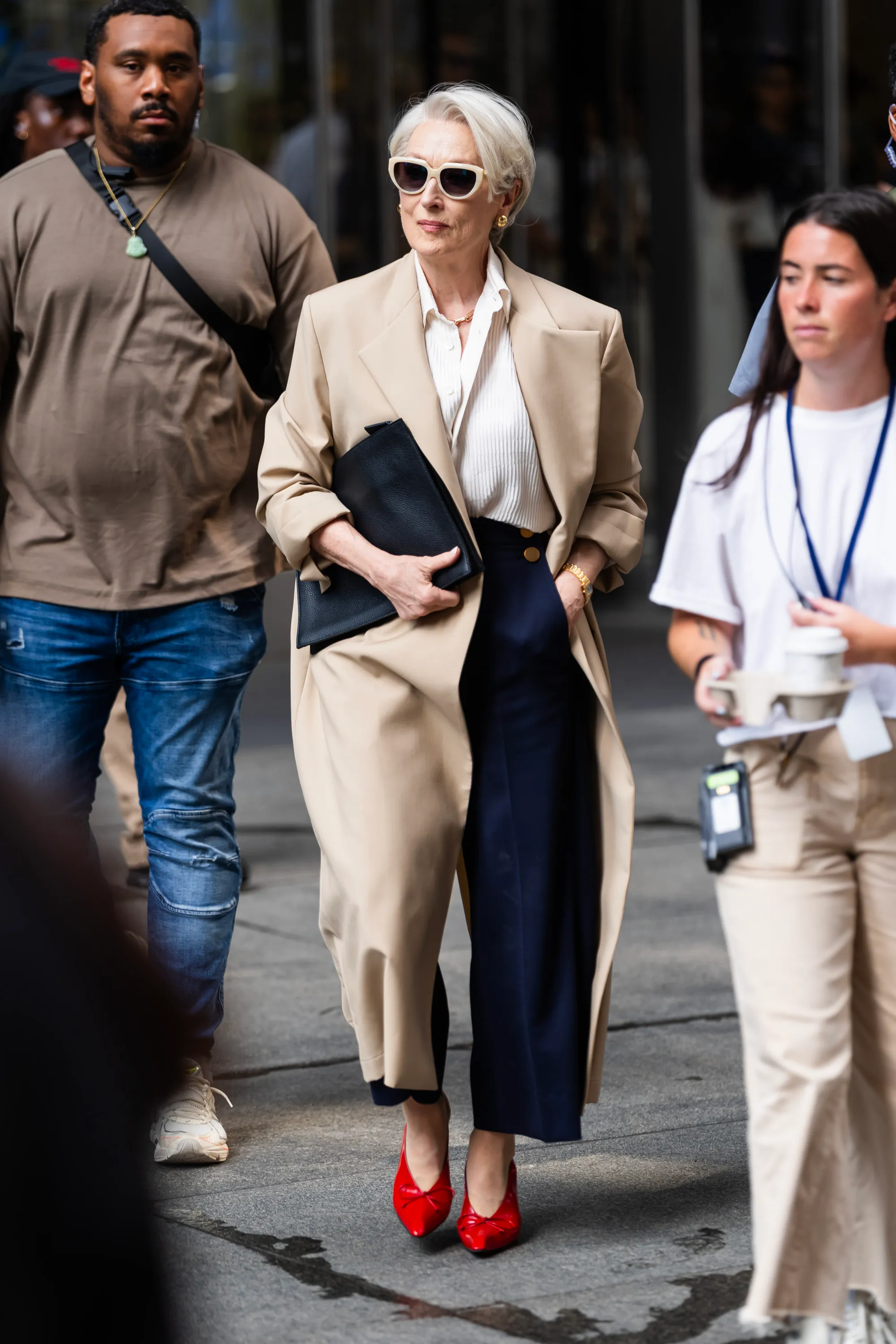
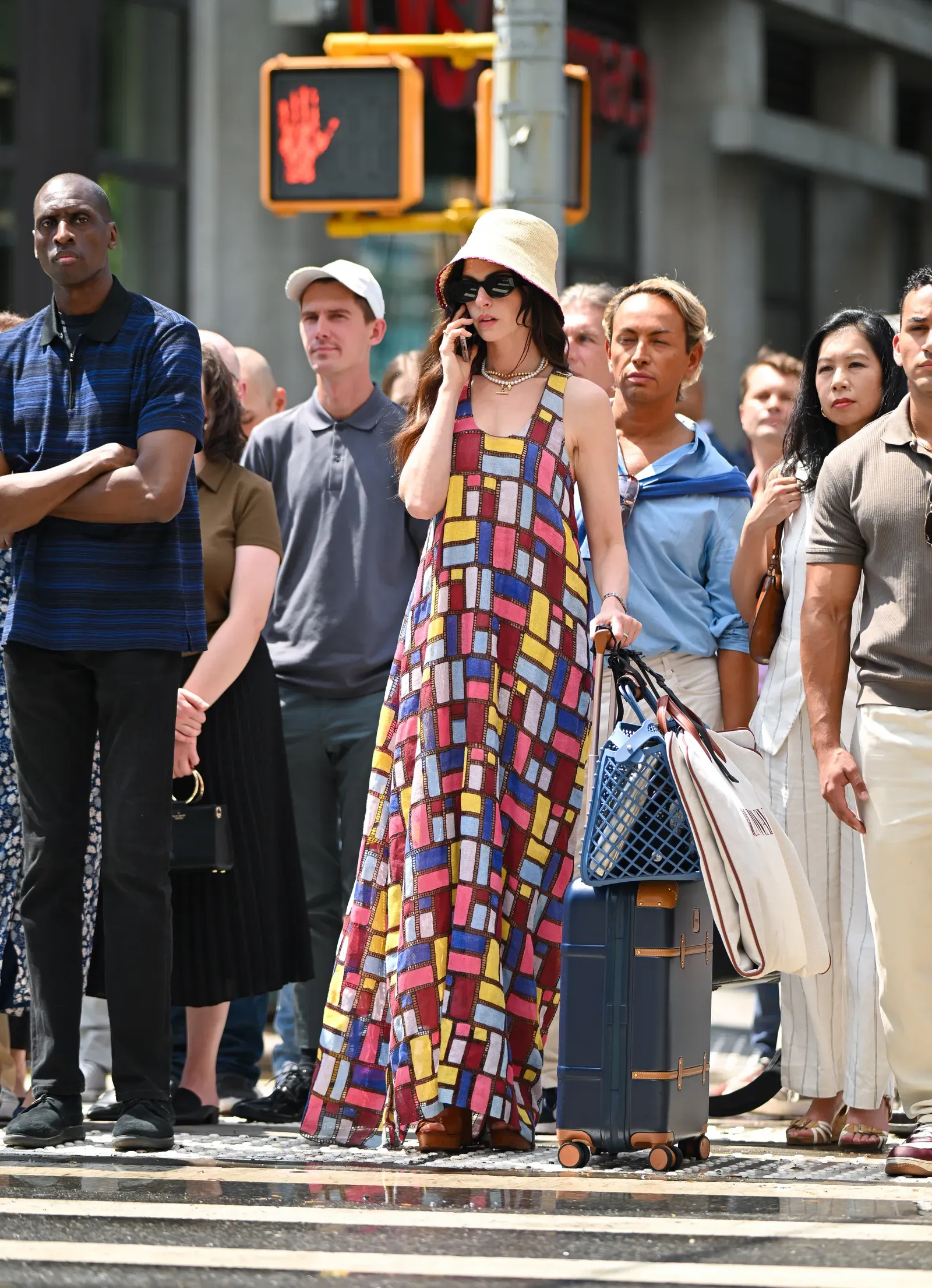
What I missed most was the wardrobe. The first film is famous as one of the most expensively costumed movies ever; Patricia Field conjured a million dollars in clothes on a $100,000 budget. The sequel–dressed by her former protégé Molly Rogers–never chases that ghost. The looks land as fine.
And for a film obsessed with the death of media, it's oddly incurious about its own magazine. Who advertises besides Dior? What are they buying? Is there a video division? Tell me what changed beyond the fact that now employees must fly economy.
The 2003 novel came from Lauren Weisberger, who spent about a year as Wintour's assistant at Vogue before spinning the experience into Miranda Priestly. Wintour went to the 2006 premiere wearing Prada, by her telling with no idea what the film was about. She watched Meryl Streep play a frostbitten cartoon of her and pronounced it "highly enjoyable", a "caricature", and finally "a fair shot."
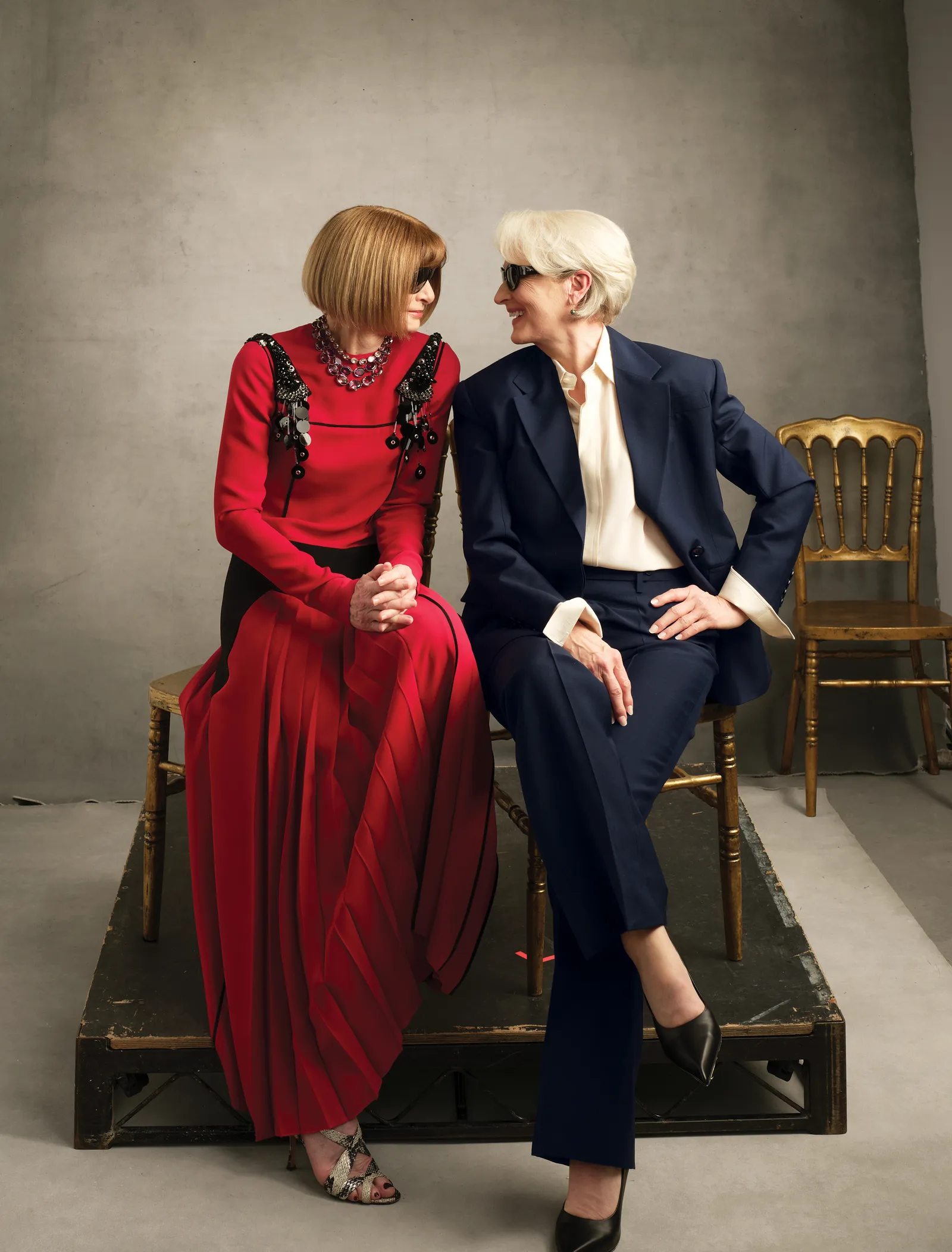
The first film drew back the curtain on Anna Wintour's life as a busybody who ruled Vogue with an iron fist. Twenty years on, there's no drama left to mine, only product to sell. The sequel is, like so many things, a glossy vehicle for making money. And Wintour is fully in on it; she has posed with Streep for Vogue and called it "an honour" to be played by her.
And the punchline writes itself. The film's running gag is Miranda clawing toward a preposterous new title, global head of content. In June 2025, Wintour stepped back from editing American Vogue after nearly forty years to become Condé Nast's chief content officer and Vogue's global editorial director.
Blah, everyone. It was fine, lol. I'm glad this film exists, truly, if only to see this cast and their characters back together. I just wanted more from it.
Saul Sugarman is editor-in-chief and owner of The Bold Italic.
The Bold Italic is a not-for-profit media organization, and we publish first-person perspectives about San Francisco and the Bay Area. We operate under a fiscal sponsorship of a 501(c)(3).
You can become a paid subscriber. Or donate. Or learn more about us.
With respect to the body shaming topic, I do applaud Anne Hathaway for wanting a positive message from the sequel
- Rolling Stone. Anne Hathaway Urged ‘Devil Wears Prada 2’ Producers Not to Cast ‘Alarmingly Thin’ Models
- Variety. Anne Hathaway Pushed ‘Devil Wears Prada 2’ Producers to Cast Size-Inclusive Models Because ‘All Different Shapes Are Beautiful’
- Yahoo. 'I thought the scene would be so much more enjoyable for the audience if we had just a wider range of bodies on display,' Hathaway said.